
If you have ever priced a proper fat-tire electric bike, you already know the sticker shock: a 750W motor, a big long-range battery, hydraulic brakes and real suspension usually push you well past $2,000 once you shop the household names. Kingbull exists to break that math. It is a US-based, direct-to-consumer brand that packs aggressive specs — 750W motors, 720–960Wh batteries, fat tires, and full-suspension options — into a lineup that frequently sells from under $1,000 to around $1,500 during its near-constant sales. Founded in 2023 and already riding with a claimed 20,000-plus owners across the country, Kingbull has built a broad catalog spanning mountain, folding, cargo, city and moped-style e-bikes, earned coverage from outlets like Electric Bike Report and New Atlas, and put UL 2849 safety certification on most of its range.
For budget-minded American riders who want serious fat-tire capability without the premium price, the pitch is genuinely compelling: more spec-per-dollar than almost anyone else in the direct-to-consumer field. But Kingbull is a young, fast-growing value brand, and an honest look surfaces real trade-offs — inconsistent quality control on a minority of units, real-world range that lands well below the headline numbers, heavy frames, and a lineup where not every model carries UL certification yet. This 2026 review walks through Kingbull’s full lineup and pricing, the motor and battery tech, how it stacks up against Lectric and Aventon, the honest pros and cons drawn from owner feedback, and exactly who should — and shouldn’t — put one in the garage.
Kingbull Bikes Review 2026: The Fat-Tire E-Bike Brand That Delivers Big Specs for Less
Overview and Background
Kingbull Bikes is a direct-to-consumer electric bike company (parent company Kingbull Technology Co., Limited) headquartered in Los Angeles, California, that specializes in fat-tire, all-terrain and long-range e-bikes. It launched in 2023 with a clear thesis: many brands force riders to compromise between price, power and range, and Kingbull set out to remove that compromise by selling high-spec hardware directly, cutting out the middleman markup. The result is a catalog aimed squarely at the “power of choice” — a model for nearly every use case, from rugged mountain trails to grocery-hauling cargo runs to easy-mount city commuting.
In a short time the brand has built real momentum: it reports more than 20,000 riders across the United States, ships free from a California warehouse, and backs every bike with a two-year warranty and a 15-day return window with price protection. Kingbull has drawn coverage and hands-on reviews from e-bike media including Electric Bike Report, New Atlas, autoevolution and ebikedaily, plus a wide roster of YouTube creators. It is not a faceless marketplace listing — it is a growing brand competing on specs-per-dollar, a broad lineup, financing options (Klarna, PayPal and Affirm-style plans), a rewards program, and an expanding local dealer network.
What defines Kingbull is its value-maximizing approach to fat-tire hardware. Nearly every model runs a 750W hub motor (Bafang units on some, such as the Rover 2.0), ships as a Class 2 bike (20 mph throttle and pedal assist) that can be unlocked to Class 3 (28 mph pedal assist), and pairs that with a big 720Wh, 864Wh or 960Wh battery. Around that core, the range fans out into mountain fat-tire bikes, folding models, a dual-battery cargo hauler, step-through and step-over city bikes, full-suspension trail rigs, and a retro moped-style cruiser — a spread most rivals simply don’t match at these prices.
Why Kingbull Stands Out in 2026
Aggressive specs-per-dollar: This is the entire reason to consider Kingbull. A 750W motor, a 720–960Wh battery, hydraulic brakes and fat tires that would cost $1,800–$2,500 from the big names regularly sell here from under $1,000 to around $1,500. For riders who care most about hardware for the money, few brands undercut Kingbull’s on-paper value.
A lineup for nearly every rider: Where many value brands sell one or two models, Kingbull covers the whole map — mountain (Hunter 2.0/2.0S), folding (Literider 2.0, Verve), cargo (Voyager 2.0), city step-through and step-over (Discover 2.0/ST 2.0, Trekker), full suspension (Rover 2.0, EX Titan, Jumper Go) and retro moped (Ranger). Whatever kind of riding you do, there’s a Kingbull shaped for it.
Big batteries and long claimed range: Kingbull leans into range as a headline feature, with 864Wh and 960Wh packs (some using Samsung or LG cells) on its higher-end models and claims up to 80 miles. Even accounting for real-world derating, these are genuinely large batteries for the price, which is a meaningful advantage for commuters and weekend adventurers who hate range anxiety.
Real off-road hardware, not just a look: Fat 20×4 and 26×4 tires, Tektro or ZOOM hydraulic brakes with 180mm rotors, and true full-suspension options on the Rover 2.0, EX Titan and Jumper Go give the range genuine trail and hill-climbing ability. Owners repeatedly single out the hill-climbing power and stopping performance as standout traits.
Customer service that keeps coming up: Across both Kingbull’s own reviews and independent Trustpilot feedback, the single most consistent praise is responsive, helpful support — riders describe fast replies, free replacement parts for defects, and staff who go out of their way to fix problems. For a young brand, that responsiveness is a real reassurance.
Expanding UL safety certification: Kingbull has publicly documented a model-by-model UL roadmap. Its 2.0 Series and Forge Series bikes carry UL 2849 certification for the full electrical system (with UL 2271 battery certification on most), and the certifications are verifiable on the official UL Product iQ directory — an increasingly important box to tick as buildings and cities push for UL-listed e-bikes.
Buyer-friendly extras: Free US shipping, a two-year warranty, a 15-day trial with price protection, financing through Klarna and PayPal, a points/referral rewards program, and a growing dealer network all lower the risk of buying a big-ticket item online — and most bikes arrive mostly assembled with a starter kit of accessories and the tools you need.
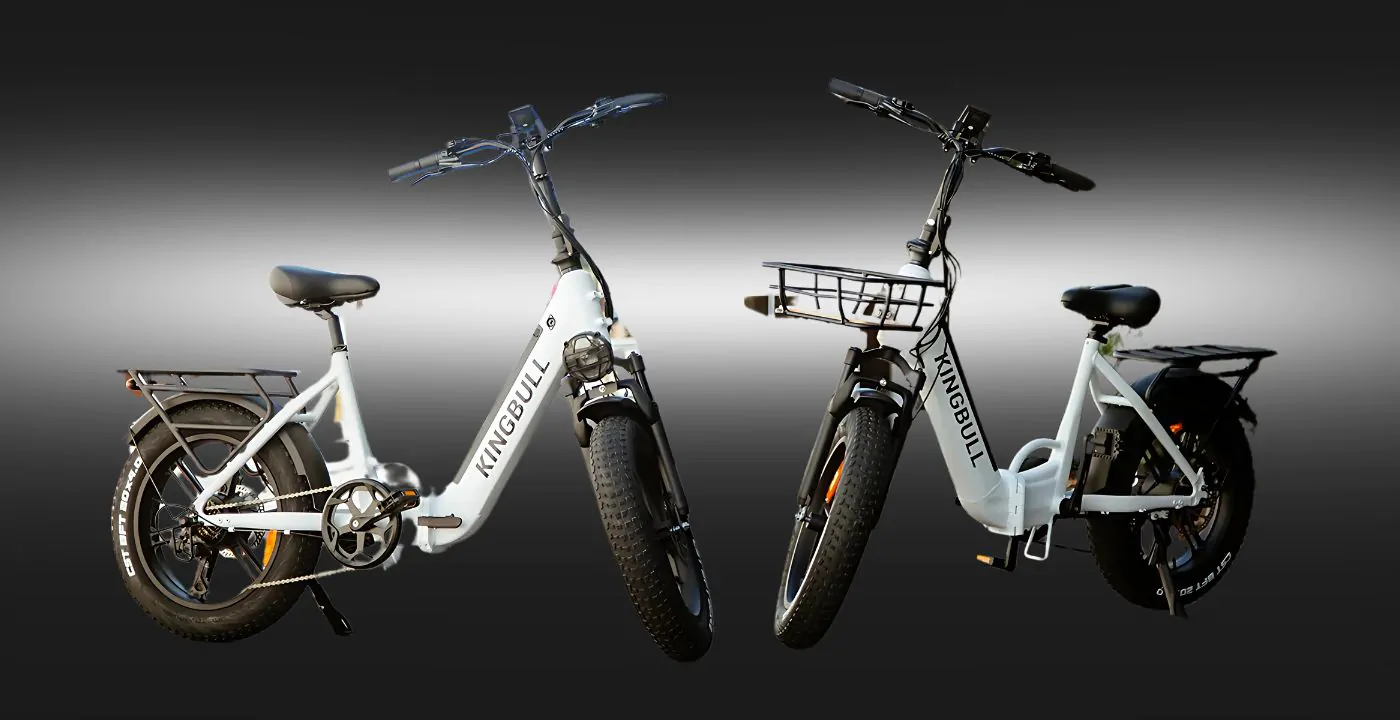
Kingbull packs 750W motors, big 720–960Wh batteries, fat tires and hydraulic brakes into e-bikes that regularly sell for hundreds less than the household names.
Key Features and Technology
Kingbull’s catalog is broad, but the engineering organizes into a handful of shared pillars. Here’s how the platform actually breaks down.
750W Motors and Class 2/Class 3 Power
Every current Kingbull runs a 750W nominal rear hub motor (with Bafang units on select models like the Rover 2.0 and Jumper Go), and several peak considerably higher for strong hill-climbing and acceleration. Out of the box the bikes ship as Class 2 — 20 mph on both throttle and pedal assist, which is legal in all 50 states — and the manual explains how to unlock Class 3 for 28 mph pedal-assist top speed. Note that Class 3 carries local restrictions on some bike paths, and that faster speeds noticeably reduce range, so check your local rules before you unlock it.
Batteries, Range and Charging
Batteries scale with the model: 720Wh (15Ah) on the core range, 864Wh (18Ah) on the Ranger and Hunter 2.0S, and 960Wh (20Ah) on the long-range Verve, Trekker, Jumper Go and EX Titan, with higher-end packs using Samsung or LG cells and the Voyager 2.0 offering a dual-battery option. Kingbull advertises up to 80 miles, but independent testing and owner reports put realistic mixed-terrain range closer to 40–60 miles depending on rider weight, hills, assist level and throttle use. The 960Wh packs are rated for hundreds of charge cycles — typically three to five years of use before noticeable degradation. One honest gripe: the stock charger is basic, and at least one owner wished for a clearer full-charge and overcharge indicator.
Brakes, Suspension and Fat Tires
Stopping power is a consistent bright spot: models use Tektro or ZOOM hydraulic disc brakes, often with two-piston calipers and 180mm rotors that owners praise as one of the first things they notice. Suspension ranges from a front fork on most bikes to genuine full suspension on the Rover 2.0, EX Titan and Jumper Go — a real ride-quality upgrade on broken pavement and trails. Fat 20×4 tires on the folding bikes and 26×4 tires on the mountain models deliver stability and grip across sand, gravel, snow and mud.
Pedal Assist, Sensors and Display
Most Kingbull models use a cadence-based pedal-assist system paired with a twist throttle, while select models (such as the torque-sensor-equipped EX Titan) offer the more natural, effort-matched feel that torque-sensor riders prefer. Bikes run a clear LCD color display with a three-button controller — reviewers note it resembles the well-regarded units on newer Lectric bikes — plus a separate controller for the integrated headlight and an electronic horn. It’s a functional, easy-to-read cockpit rather than a smartphone-app ecosystem.
Assembly, Accessories and Safety Certification
Bikes arrive mostly assembled — you typically fit the front wheel, fender, headlight, handlebars and pedals, and Kingbull includes the tools plus a starter kit (mirrors, a lock, phone holder, bungee cords and an air pump on some models). One reviewer tip worth repeating: install the metal front fender and headlight before mounting the front wheel. On safety, Kingbull takes a model-level approach to UL: the 2.0 Series (Literider 2.0, Discover/ST 2.0, Rover 2.0, Voyager 2.0) and the Forge Series (EX Titan, Jumper Go, Verve, Trekker) carry UL 2849 certification, while — as of the brand’s early-2026 update — the Hunter 2.0, Hunter 2.0S and Ranger were still moving through UL testing. Always confirm the current UL status for your specific model, especially if your building requires it.
Pricing, Plans, and Package Structure
Kingbull sells one-time purchases with no subscription, and like most direct-to-consumer e-bike brands it runs near-continuous promotions, so the “sale” price is effectively the real price and the “regular” MSRP is more of an anchor. The table below shows a representative slice of the lineup at typical mid-2026 sale pricing alongside the listed regular price; always confirm the live price and any active promo before checkout, since these change frequently.
| Model | Price (USD) | What It Is | Best For |
|---|---|---|---|
| Ranger | ~$799 (reg. $1,399) | 750W vintage moped-style, 864Wh, 80-mi claimed | Retro style + long-range cruising |
| Hunter 2.0 | ~$849 (reg. $1,699) | 750W mountain fat tire, 720Wh, 55-mi claimed | Budget entry into trail riding |
| Hunter 2.0S | ~$899 (reg. $1,699) | Upgraded 750W mountain, 864Wh, 80-mi claimed | Best-value all-rounder & hill climbing |
| Literider 2.0 | ~$979 (reg. $1,699) | 750W folding fat tire, 720Wh, 55-mi claimed | Storage & trunk/RV transport |
| Discover ST 2.0 | ~$1,099 (reg. $1,899) | 750W step-through city bike, 720Wh, 60-mi claimed | Easy-mount urban commuting |
| Voyager 2.0 | ~$1,119 (reg. $1,899) | 750W cargo bike (single/dual battery), 60-mi claimed | Hauling gear/kids, second-car duty |
| Rover 2.0 | ~$1,199 (reg. $1,899) | 750W full-suspension off-road (Bafang), 60-mi claimed | Rough trails + comfort |
| EX Titan | ~$1,499 (reg. $2,599) | 750W full-suspension mountain, 960Wh, torque sensor | Tall riders & long-distance trail |
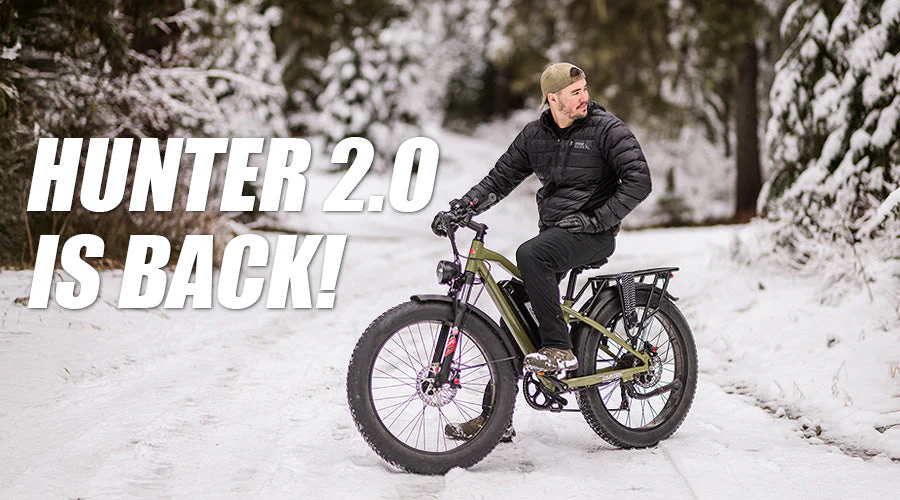
From the retro Ranger to the full-suspension EX Titan, Kingbull’s lineup covers mountain, folding, cargo, city and moped-style riding — a breadth few value brands match.
How Kingbull Compares to Alternatives
| Factor | Kingbull | Lectric | Aventon |
|---|---|---|---|
| Positioning | Value-max fat-tire specialist | Value king, simplicity | Premium, tech-forward polish |
| Motor | 750W hub (Bafang on some) | 750W hub (high peak output) | 750W hub (some mid-drive) |
| Pedal-assist sensor | Cadence + throttle (torque on select) | Cadence (PWR system) | Torque sensor (most models) |
| Suspension | Front; full on Rover/EX Titan/Jumper Go | Mostly front fork | Front; full on select models |
| Real-world range | ~40–60 mi | ~40–55 mi | ~35–60 mi |
| Typical price range | ~$799–$1,499 (sale) | ~$799–$1,699 | ~$1,199–$1,999 |
| Assembly & retail | Moderate; DTC + growing dealers, US-only | Minimal; DTC, phone/chat support | Moderate; DTC + partner bike shops |
| Smart features | LCD display, no app | LCD display, no app | App + GPS anti-theft on some |
| Best for | Max specs-per-dollar off-road & range | Simplest, fastest-to-ride value | Refined tech + in-person support |
vs. Lectric: Lectric is the reference point for value and simplicity, with 500,000-plus riders and a well-earned reputation for bikes that arrive nearly fully assembled and stellar phone-and-chat support. Its off-road XPeak 2.0 lands around $1,499 with a torque sensor. Kingbull counters by often undercutting Lectric on price for comparable or larger batteries, offering true full-suspension models Lectric mostly doesn’t, and covering more categories (cargo, moped, full-suspension trail). The trade-off: Lectric’s longer track record and easier out-of-box setup give it the edge on consistency and convenience.
vs. Aventon: Aventon (founded 2012, e-bikes since 2018) is the more premium, refined option, with torque sensors across most models, app connectivity, turn signals and, on bikes like the Aventure 3 (~$1,999), a built-in GPS anti-theft system. Crucially, Aventon sells through partner bike shops, so you can test ride and get in-person help. Kingbull can’t match that polish or retail footprint, but it typically costs several hundred dollars less for similar core specs. If refinement, resale and hands-on support matter most, Aventon wins; if raw hardware-per-dollar is the priority, Kingbull pulls ahead.
vs. a local bike-shop or legacy brand: A Trek, Specialized or shop-sold e-bike gives you a professional build, a service relationship and long-term support that a direct-to-consumer brand can’t fully replicate — but usually at a substantial price premium for comparable specs. Kingbull is for riders who are comfortable doing a little assembly and self-service in exchange for far more bike for the money. If you value a shop’s hands-on support above all, that’s the better route; if you want maximum capability at the lowest price, Kingbull makes a strong case.
Pros and Cons
What Owners Love
Exceptional value for the specs: The most common refrain across owner reviews is how much bike you get for the price. Riders repeatedly describe Kingbull as “great value,” a “fantastic budget-friendly e-bike,” and note that comparable specs from bigger brands would cost hundreds more. For value hunters, that’s the whole appeal delivered.
Genuinely responsive customer service: Support is the single most-praised aspect of the brand. Owners describe replies within 24 hours, free replacement parts shipped without hassle for defects, proactive fixes to unclear website info, and staff who reroute shipments or compensate riders when carriers fail. For a young brand selling big-ticket items online, that responsiveness earns real trust.
Solid build quality and finish: Reviewers and independent testers consistently call out clean welds, good paint, and sturdy frames that “feel super well made.” One hands-on reviewer was “pleasantly surprised” by the fit and finish of the Literider, awarding it a top score. The bikes look and feel more expensive than they cost.
Real power and stopping performance: Owners single out strong hill-climbing (some models climb steep grades on throttle alone) and the confidence-inspiring hydraulic brakes with 180mm rotors. Combined with fat tires and, on some models, full suspension, the bikes handle rough terrain, trails and commutes with ease.
Accessible for a wide range of riders: Reviews come from seniors, riders recovering from surgery, tall riders, families and first-time e-bike buyers alike — helped by pedal assist, throttle, step-through frames and big-frame options like the EX Titan. Many describe the bikes as life-changing for daily exercise and independence.
Low-risk buying and a broad lineup: Free US shipping, a two-year warranty, a 15-day trial with price protection, financing, rewards and mostly-assembled delivery with a starter accessory kit reduce the risk of buying online — and with a model for every category, most riders can find the right shape without leaving the brand.
Limitations Worth Knowing
Real-world range trails the headline: The advertised “up to 80 miles” is a best-case figure. Independent testing and owner reports put realistic mixed-terrain range closer to 40–60 miles, and heavier riders, hills, throttle use and higher assist levels cut it further. Buy based on the real number, not the marketing one.
Quality control can be inconsistent: While most units arrive fine, a real minority of owners report defects out of the box — a broken brake, leaking shocks, a malfunctioning headlight, scratches, or a chain that pops off. Support usually resolves these quickly, but some reviewers describe unresolved issues and even refused returns. Inspect your bike carefully on arrival and document any problem immediately.
Heavy bikes that need a plan to move: These are substantial machines, much of the weight in the battery. The non-folding models (Hunter, Ranger, Voyager) don’t collapse, so transporting them means a hitch-mounted bike rack, and lifting or carrying up stairs is a chore. Folding models like the Literider and Verve are easier to stow.
Cadence sensor on most models: Aside from select bikes like the EX Titan, Kingbull uses a cadence-based pedal-assist system rather than the torque sensor found on rivals like Aventon. It works well enough, but the pedaling feel is less natural and responsive than a torque-sensor setup, which matters to some riders.
UL certification isn’t universal yet: Kingbull’s 2.0 and Forge Series carry UL 2849, but as of the brand’s early-2026 update the popular Hunter 2.0, Hunter 2.0S and Ranger were still in UL testing. If you live in a building or city that requires UL-listed e-bikes, verify the current status of your exact model before buying.
US-only and largely self-service: Kingbull ships from a California warehouse for US delivery only (at the time of writing), and while a dealer network is growing, most buyers won’t have a local shop for in-person setup or repairs. International riders and those who want hands-on support should factor that in.
On-site reviews skew rosier than independent ones: Kingbull’s own site shows thousands of near-perfect reviews, but those are self-hosted and curated. Independent sources (Trustpilot, third-party rating sites around 7.8/10) paint a more mixed picture, chiefly around QC consistency and the occasional difficult return. Read across both before deciding.
Who Should Use Kingbull
Value-focused US riders: This is Kingbull’s core audience. If you want the most motor, battery and capability per dollar and you’re based in the US with a car, SUV or van to transport a heavy bike, Kingbull is one of the strongest values in the direct-to-consumer market. Buy on sale and the specs-per-dollar is hard to beat.
Off-road, trail and hunting riders: Fat tires, hydraulic brakes, strong hill-climbing power and full-suspension options (Rover 2.0, EX Titan, Jumper Go) make Kingbull a legitimate choice for trails, gravel, hunting and backcountry riding. Owners specifically praise the hill-climbing and off-road grip.
Tall, heavy and comfort-seeking riders: Big frames like the EX Titan, high payload capacities and step-through options make the range genuinely accommodating for larger riders, and the fat tires plus suspension deliver a comfortable ride. Seniors and riders returning to cycling after injury feature heavily and positively in reviews.
Commuters, families and cargo haulers: The Discover 2.0/ST 2.0 city bikes and the single- or dual-battery Voyager 2.0 cargo model turn Kingbull into a practical daily driver and second-car replacement for errands, school runs and grocery hauling — with the range and payload to back it up.
Who should look elsewhere: Riders outside the US, those who want a torque-sensor-first premium ride with app connectivity and turn signals (look at Aventon), buyers who prize the most hands-off, fully-assembled delivery and the longest QC track record (look at Lectric), anyone who needs a local shop for setup and service, and city dwellers who can’t store or lift a heavy fat bike. And if your building strictly requires UL certification, confirm your specific model is covered before you buy.
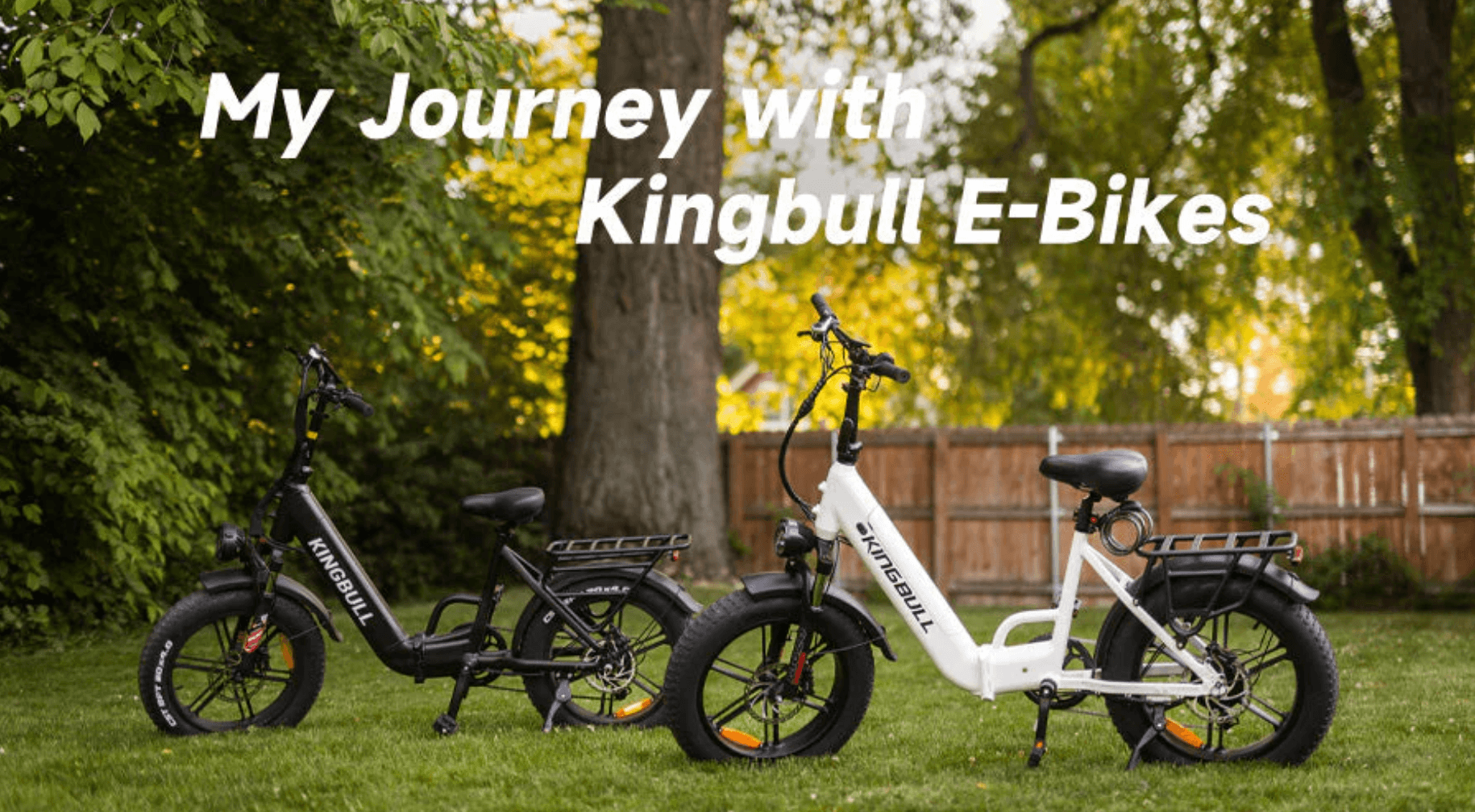
From city commutes to backcountry trails, Kingbull’s fat-tire lineup is built for US riders who want maximum capability without the premium price.
Getting Started: Step by Step
- Choose the right model. Match the bike to your riding: Hunter 2.0/2.0S for mountain and trail, Literider 2.0 or Verve for folding and storage, Voyager 2.0 for cargo, Discover ST 2.0 or Trekker for city commuting, Rover 2.0 or EX Titan for full-suspension off-road, and Ranger for retro moped-style cruising. Step up to a 864Wh or 960Wh battery if you ride long or hilly routes.
- Check certification, class rules and stock. Confirm the current UL status for your specific model (especially if your building requires it), review your local Class 2 vs Class 3 rules, and check whether the bike is in stock or on preorder before you commit.
- Pick financing, bundle and promo. Decide between paying upfront or using Klarna/PayPal/Affirm-style financing, consider a double-bike bundle or the +$259 Power Station upgrade if relevant, and always apply any active sitewide code and time your buy around a seasonal sale.
- Assemble and safety-check. The bike arrives mostly built; you’ll fit the front wheel, fender, headlight, handlebars and pedals using the included tools. Install the front fender and headlight before the front wheel, then do a full safety check of brakes, tire pressure and bolts before your first ride.
- Charge fully and set your class. Charge the battery to full with the original Kingbull charger in a well-ventilated area. The bike ships as Class 2 (20 mph); follow the manual to unlock Class 3 (28 mph) only if it’s legal where you ride, remembering that higher speeds reduce range.
- Register and equip. Register your warranty, take advantage of the 15-day price protection, join the rewards program, and add the accessories that fit your routine — a hitch rack for non-folding models, a rear basket or panniers, or a spare battery for long days.
Tips for Getting Maximum Value
Never pay full MSRP — Kingbull runs near-continuous sales, so time your purchase around a seasonal event and stack any active sitewide discount code, and lean on the financing options to spread the cost of a big-battery model. Right-size your range expectations to the realistic 40–60 mile band, choose a 864Wh or 960Wh bike if you ride long or hilly, and carry the charger on big days out. Confirm your exact model’s UL certification and your local class rules before you ride, always charge with the original charger in a ventilated space, and follow the owner’s manual maintenance schedule. Inspect the bike thoroughly the moment it arrives, photograph and report any defect immediately — Kingbull’s support is responsive and ships replacement parts quickly, but keep your order details and act fast. Plan transport before you buy: a hitch-mounted rack for the heavier non-folding models, or one of the folding bikes if you need to fit it in a trunk or store it in a small space. And keep an eye on the growing dealer network — a nearby dealer can make setup and service far easier.
Future Outlook and Final Assessment
The US e-bike market in 2026 is maturing fast, and direct-to-consumer value brands — Lectric, Aventon, Heybike, Engwe, Mokwheel and Kingbull among them — have taken enormous share from legacy bike makers by delivering far more capability per dollar. Kingbull has carved out a clear identity in that field: aggressive specs-per-dollar, an unusually broad lineup, big batteries, real off-road hardware, and an expanding UL certification and dealer footprint. As the brand matures, the biggest opportunities are tightening quality-control consistency, widening UL coverage across the whole lineup, moving more models to torque sensors, and eventually broadening beyond US-only shipping.
The honest caveats remain: real-world range lands below the headline, a minority of units arrive with quality issues, the bikes are heavy, most use cadence sensors, and support — while genuinely responsive — occasionally can’t satisfy a difficult case. Rivals like Lectric edge it on out-of-box consistency and Aventon on refinement and in-person retail. But for the specific rider Kingbull is built for — a US-based, budget-minded owner with a way to transport a heavy fat bike who wants maximum hardware for the money — it delivers one of the most compelling value propositions in the category, provided you buy on sale and go in clear-eyed.
Conclusion
Kingbull isn’t trying to be the most refined or the most established e-bike brand — it’s trying to give you the most fat-tire capability for the least money, and at that job it’s remarkably effective. With 750W motors, big long-range batteries, hydraulic brakes, full-suspension options and a lineup that covers nearly every kind of riding, all frequently selling for hundreds less than the household names, it delivers genuine value backed by responsive support and expanding safety certification. It rewards realistic expectations on range and a little owner diligence on setup and inspection, and it’s not the right call for international riders, torque-sensor purists or anyone who can’t store and move a heavy bike — but for budget-minded US riders who want serious hardware without the premium price, few brands make a stronger case. Confirm the current price and your model’s UL status, buy during a sale, and Kingbull can put a capable, long-range fat-tire e-bike in your garage for a genuinely hard-to-beat price.
Ready to get more fat-tire e-bike for your money?
Explore more honest reviews, tutorials and tech comparisons to find the right gear for the way you work, travel and live — at World Of Tech, where we make everything easy.
👉 Shop Kingbull: https://worldoftech.space/kingbullbikes
👉 Our YouTube Channel: youtube.com/@world_tech79
👉 Our Facebook Fanpage: Facebook
👉 Our X (Twitter): @worldoftech79
Pricing, specifications, certification and policy details in this review were verified against kingbullbike.com and independent review sources (including Trustpilot and hands-on reviewer testing) as of July 2026. E-bike hardware, pricing and promotions change frequently, so confirm current details and your specific model’s UL certification on the official site before purchasing. Competitor prices are approximate and subject to change.