
Sold-out show, a scalped face-value price nowhere in sight, and a countdown clock ticking on the seats you actually want — that’s the exact moment most people land on Ticket Liquidator. Live since 2003 and owned by the ticketing giant TicketNetwork, Ticket Liquidator is a secondary-market marketplace where independent, licensed ticket brokers list inventory for concerts, sports, theater, and festivals, and buyers search, compare, and check out much like they would on StubHub or Vivid Seats. It isn’t a box office and it doesn’t set prices; it’s a search-and-checkout layer sitting on top of thousands of third-party sellers, backed by a 100% money-back guarantee that promises legitimate tickets, on-time delivery, and a refund if an event is permanently canceled.
For fans chasing last-minute seats or premium placement at an already-sold-out event, that value proposition is real: a genuinely massive inventory, no membership required, and a guarantee that at least gives you somewhere to turn if something goes wrong. But Ticket Liquidator isn’t the cheapest or the most polished way to buy resale tickets, and an honest look turns up real friction points around service fees, customer-service consistency, and a Better Business Bureau rating that trails the marketplace’s own Trustpilot score. This 2026 review walks through how Ticket Liquidator actually works, what it costs once fees are added, how it stacks up against StubHub, Vivid Seats, and SeatGeek, the genuine pros and cons from verified customer feedback, and exactly who should — and shouldn’t — buy through it.
Ticket Liquidator Review 2026: Is This Resale Ticket Marketplace Worth the Fees?
Overview and Background
Ticket Liquidator is not the event organizer, the venue, or even a single seller — it’s a marketplace front end. Behind the scenes, it’s operated by Ticket Software, LLC (also doing business as Ticket Network Direct), a company headquartered in South Windsor, Connecticut, and led by TicketNetwork founder and CEO Don Vaccaro. TicketNetwork itself is one of the larger players in the secondary ticket exchange business, and Ticket Liquidator is effectively its consumer-facing storefront: independent, professional ticket brokers list their inventory through TicketNetwork’s exchange, and Ticket Liquidator surfaces that same inventory with its own branding, checkout flow, and guarantee.
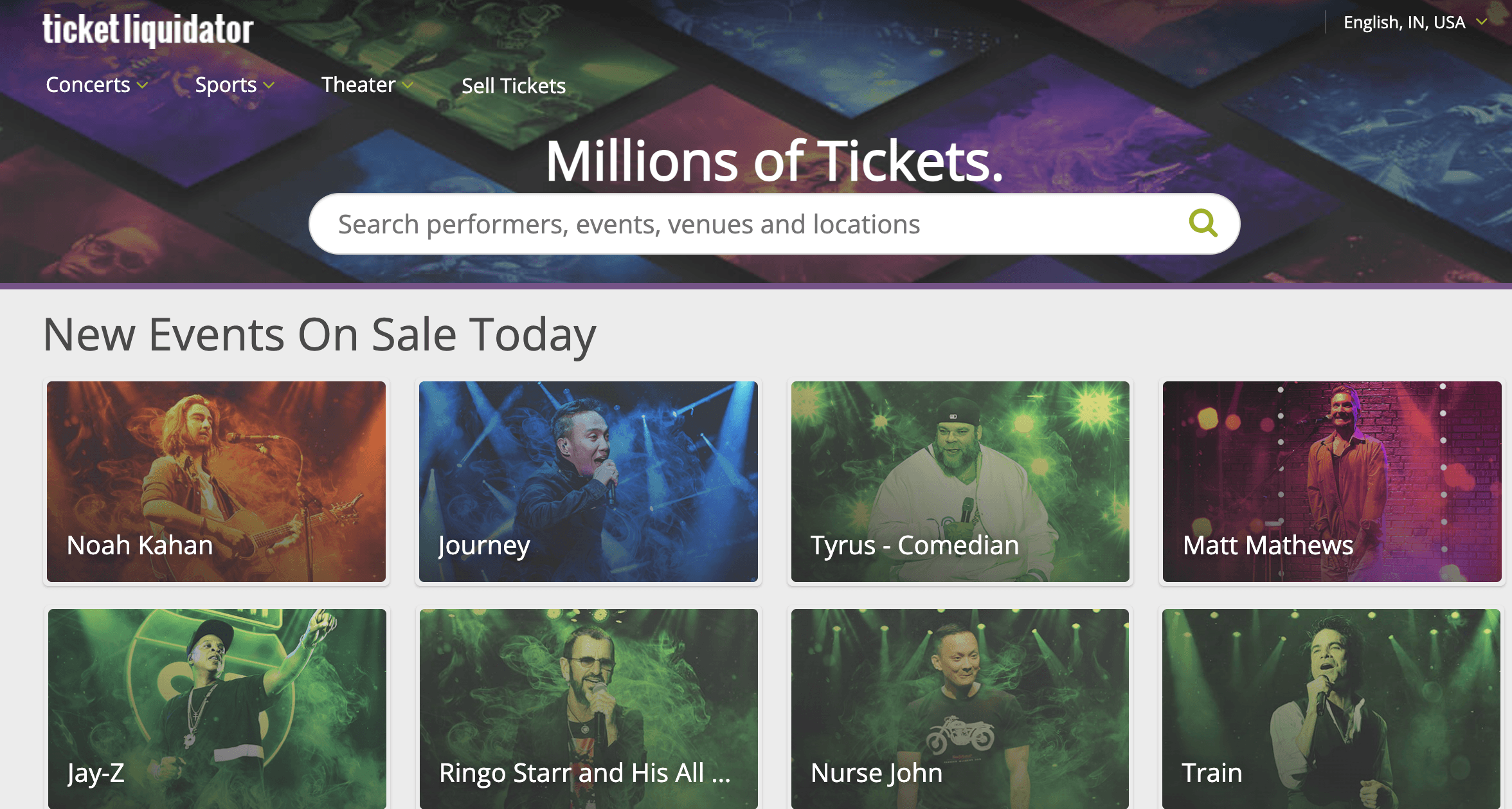
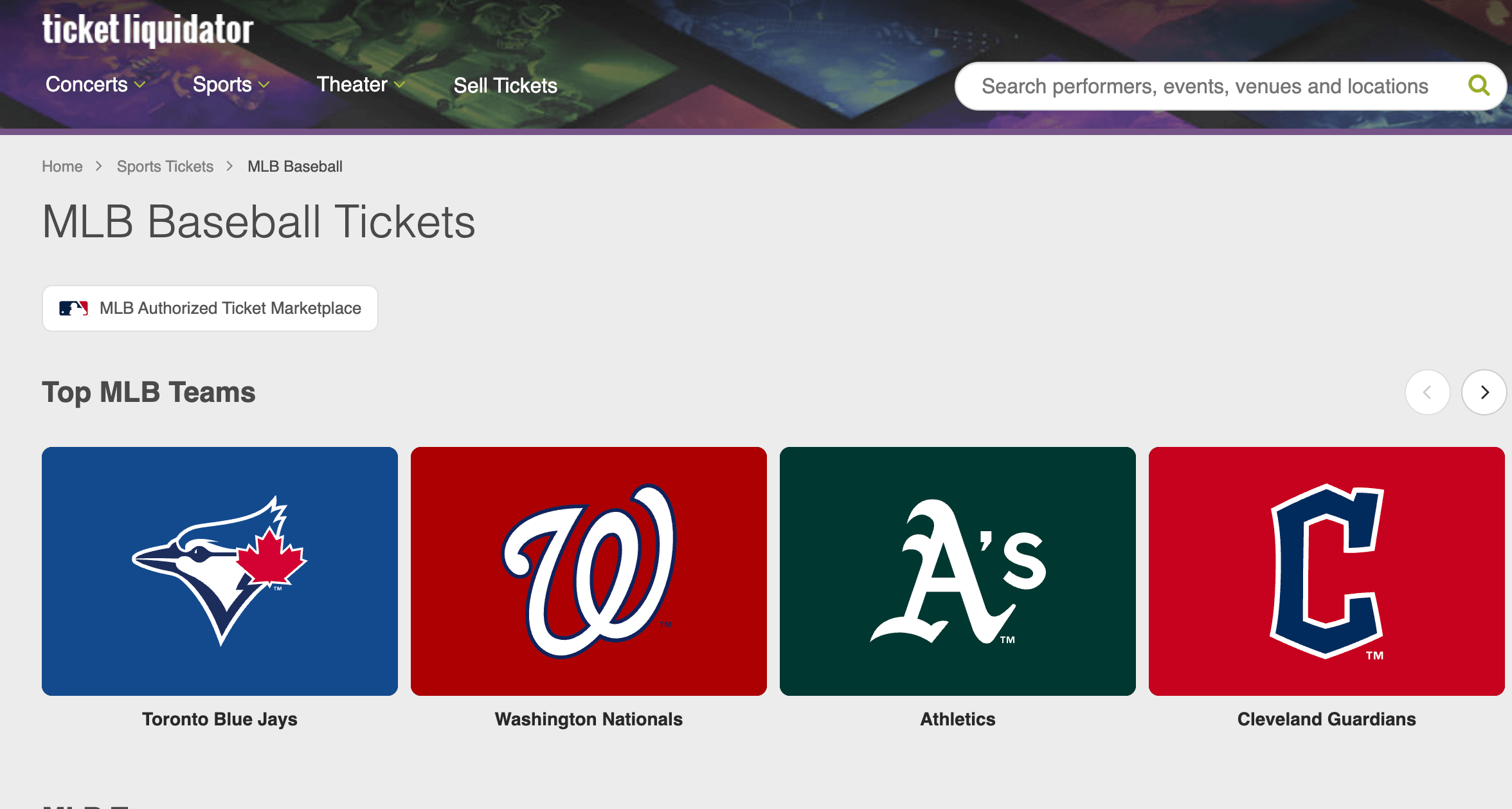
The site covers the three pillars you’d expect from a resale marketplace — concerts, sports, and theater — plus festivals, comedy, and family shows, spanning both U.S. metros and a smaller set of international cities. Because listings come from independent brokers rather than a single warehouse, prices, seat locations, and delivery methods vary listing to listing for the same event, and the same show can show dozens of price points from face value up to well above it, depending on section, row, and how badly the broker wants to move that pair of seats.
On reputation, Ticket Liquidator sits in an unusual spot: it currently holds a “Great” 3.9 out of 5 TrustScore on Trustpilot across roughly 900 reviews, a solid consumer-facing number built on a steady stream of positive delivery and support experiences. At the same time, the Better Business Bureau lists the parent company, Ticket Software, LLC, with a “C-” rating and no BBB accreditation, reflecting a longer history of complaints around fees, delayed access to tickets, and refund disputes. Both numbers are real and both matter — they simply measure different things, and a shopper deciding whether to trust this marketplace should weigh both rather than either one in isolation.
Why Ticket Liquidator Stands Out in 2026
Deep, real-time inventory for sold-out events: Because listings pull from TicketNetwork’s broker exchange, Ticket Liquidator regularly surfaces seats for events that show “sold out” on the primary box office — a genuine advantage for fans who missed the initial on-sale and just want a way in, even at a markup.
A 100% money-back guarantee with four specific promises: Rather than a vague “buyer protection” badge, Ticket Liquidator spells out what it guarantees: tickets are legitimate and valid for entry, delivered tickets match or beat what was ordered, delivery happens before the event, and a full refund is issued if the event is permanently canceled. That specificity gives buyers a clearer standard to hold the company to than most resale sites offer.
No membership or subscription required: Unlike season-ticket or club-style resale services, there’s no account fee or subscription to browse or buy — you pay only for the tickets you actually purchase, plus fees, on a one-time-transaction basis.
Long operating history: Ticket Liquidator has been selling tickets since 2003, which is a meaningfully longer track record than many newer resale apps, and that longevity shows up in the sheer volume of Trustpilot reviews (over 900) and a large base of buyers, including a number of self-described repeat customers with a decade or more of purchases.
Transparent (if steep) fee disclosure: Ticket Liquidator advertises the base ticket price separately from its service fee rather than folding the markup invisibly into the sticker price, so — while the fee itself is a real cost — buyers can see it itemized at checkout rather than discovering it buried in a rounded total.
Multiple delivery options: Depending on the seller, buyers can choose instant e-ticket download, email delivery, FedEx physical shipping, or local will-call pickup — flexibility that matters when an event is happening within hours rather than weeks.
Seller-side reach through TicketNetwork: Buyers who later become sellers (say, unable to attend an event they already bought into) can list their own tickets through Ticket Liquidator’s connected resale tools, closing the loop within the same TicketNetwork ecosystem.
Key Features and Technology
Ticket Liquidator’s platform is straightforward by design — a search-and-checkout marketplace rather than a feature-heavy app. Here’s how the core pieces work.
The Broker Marketplace Model
Every listing on Ticket Liquidator comes from an independent, professional ticket broker connected through the TicketNetwork exchange, not from Ticket Liquidator’s own inventory. That means the same event typically shows a spread of listings at different price points, seat locations, and delivery speeds, similar in structure to how StubHub or Vivid Seats aggregate third-party sellers. The upside is depth of inventory; the trade-off is that quality, pricing, and delivery timing vary by which specific broker fulfills your order, not by any single, uniform Ticket Liquidator standard.
Search, Seat Maps, and Filtering
The site organizes browsing by category (concerts, sports, theater), by city, and by performer, with an interactive seating chart on most event pages so buyers can see roughly where a given section sits relative to the stage or field before committing. Filters let shoppers sort by price, section, or quantity, which is useful for narrowing a long list of resale offers down to what actually fits a budget and a group size.
Delivery Methods
Depending on the seller and the event, tickets are delivered as instant e-tickets (mobile transfer or PDF), by email once the seller releases them, via FedEx for hard-stock tickets, or through local will-call pickup near the venue. A meaningful share of customer complaints center on this stage: some events restrict tickets so buyers can’t access or print them until just hours before the show, which the company frames as a restriction set by the event organizer rather than by Ticket Liquidator itself — worth knowing going in, since it can feel alarming if you’re not expecting it.
How the Guarantee Actually Works
If tickets turn out to be invalid, Ticket Liquidator requires the buyer to obtain evidence from the venue — a rejection notice, an email, or similar documentation — before it will pursue a refund from the seller who supplied the order. If the seats delivered don’t match what was purchased, the company says it will work to secure equal or better seating, or resolve the discrepancy with the customer directly. It’s a real guarantee with genuine payouts on record, but it is process-driven rather than instant, and buyers who’ve had smooth transactions describe fast resolutions, while buyers with disputed claims sometimes describe a longer, more document-heavy process.
Mobile Access
Ticket Liquidator offers an Android app on the Google Play Store with access to its full inventory; there’s no dedicated iOS app, and iPhone users are directed to the sister TicketNetwork app instead, which draws from the same underlying exchange.
Pricing, Fees, and Package Structure
Ticket Liquidator doesn’t charge a subscription or membership fee — there are no “plans” in the SaaS sense. Instead, every order is priced as: the seller’s listed ticket price, plus a service fee, plus a delivery fee. The listed ticket price is set independently by each broker and can land anywhere from close to face value up to a substantial premium for high-demand seats, so it fluctuates event by event and even listing by listing. The fees layered on top, however, follow a more predictable pattern, summarized below.
| Cost Item | Typical Amount | What It Is | Notes |
|---|---|---|---|
| Ticket price | Varies by broker | Set independently by each seller, often above face value | Not controlled by Ticket Liquidator |
| Service fee | ~24%–31% of ticket price (reported up to ~35% on some orders) | Platform’s cut for facilitating the transaction | Non-negotiable; shown separately at checkout |
| Email / e-ticket delivery fee | ~$7.95 per order | Covers secure digital delivery/download | Standard for instant-download tickets |
| Will-call / local pickup fee | ~$15 per order | Reimburses the seller for venue-pickup logistics | Higher than standard e-ticket delivery |
| FedEx / physical shipping | Varies by order | For hard-stock tickets shipped to the buyer | Confirm cost and timeline before checkout |
| Membership / subscription | $0 | None required to browse or buy | Pay-per-order model only |
How Ticket Liquidator Compares to Alternatives
| Factor | Ticket Liquidator | StubHub | Vivid Seats |
|---|---|---|---|
| Model | Broker marketplace (TicketNetwork exchange) | Peer-to-peer + broker marketplace | Peer-to-peer + broker marketplace |
| Approximate service fee | ~24%–31%+ of ticket price | ~15%–25% (approximate, varies by order) | ~10%–20% seller-side + buyer fee (approximate) |
| Trustpilot score | 3.9/5 “Great” (~900 reviews) | Generally lower, mixed (approximate, verify live) | 4.3/5, tens of thousands of reviews (approximate) |
| BBB standing | “C-“, not accredited | Varies by region (approximate, verify live) | Generally accredited with a higher letter grade (approximate) |
| Ticket verification | 100% guarantee, claims-based process | FanProtect guarantee | 100% Buyer Guarantee + dedicated verification team |
| Mobile apps | Android only (iOS routed to TicketNetwork app) | iOS and Android | iOS and Android |
| Best for | Long-tenured buyers comfortable comparing fees themselves | Brand recognition, broad event coverage | Rewards program, generally stronger service reputation |
vs. StubHub: StubHub is the more widely recognized brand and, for many events, carries a broader consumer-protection reputation, but it isn’t fee-free either — buyers should compare the all-in total on both sites for the exact seats they want rather than assuming either platform is automatically cheaper. Ticket Liquidator’s deeper tie to TicketNetwork’s broker network can occasionally surface listings StubHub doesn’t carry, which matters most for niche or regional events.
vs. Vivid Seats: Vivid Seats generally posts stronger third-party service ratings and runs a rewards program that returns value on repeat purchases, which Ticket Liquidator doesn’t currently offer. If loyalty perks and a marginally better track record on customer service tip the decision, Vivid Seats is the more conservative pick; Ticket Liquidator can still be worth checking for price or inventory comparisons before you buy.
vs. SeatGeek: SeatGeek leans on a “deal score” feature that flags whether a given listing is priced fairly relative to comparable seats — a tool Ticket Liquidator doesn’t provide natively. Shoppers who want that kind of built-in price context, rather than manually comparing listings, will likely find SeatGeek’s interface faster for judging whether a Ticket Liquidator price is actually competitive.
Pros and Cons
What Users Love
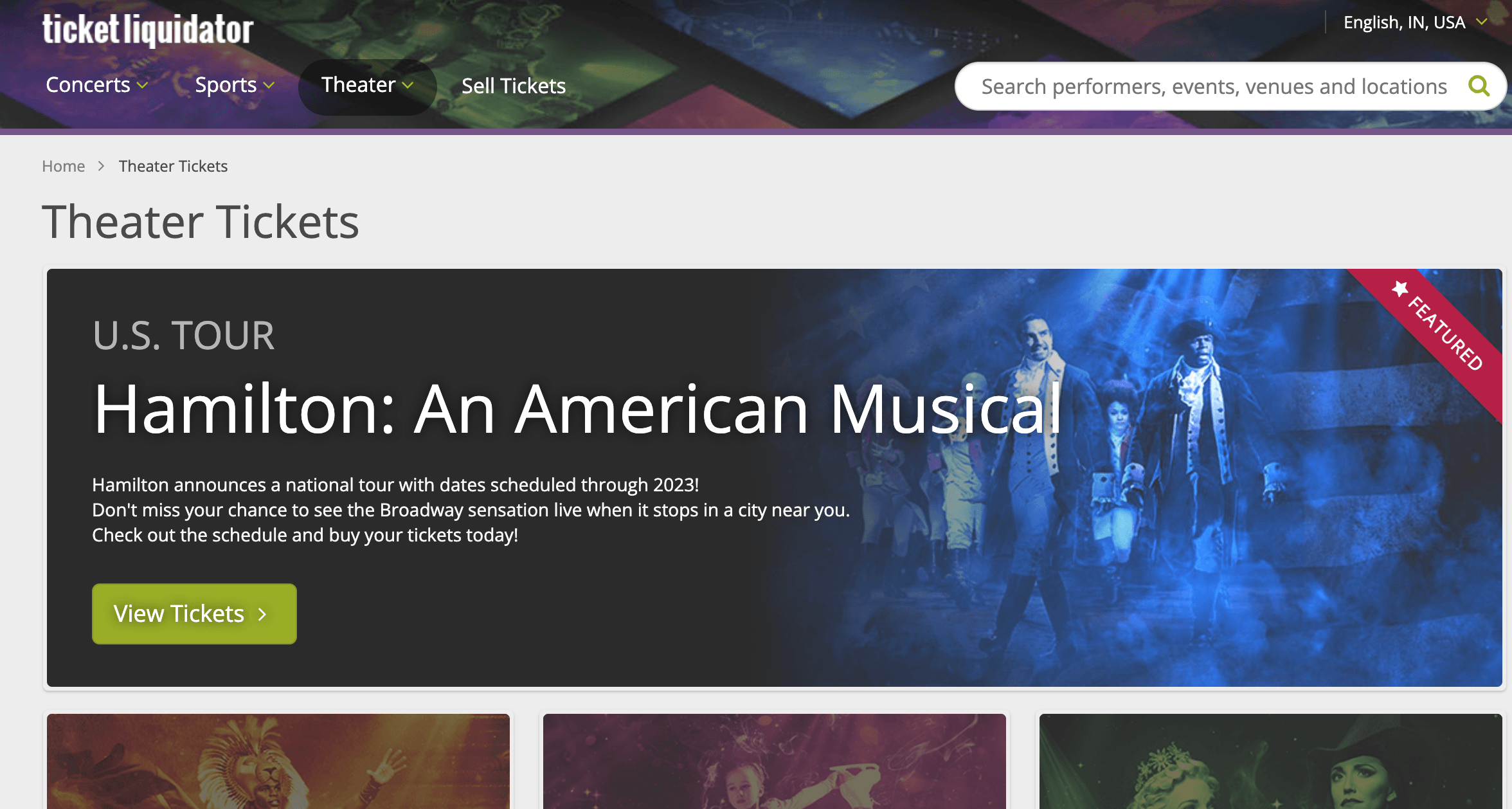
Finding seats to shows that are otherwise sold out: The most consistent praise in verified reviews is simple relief — buyers who couldn’t get tickets through the primary box office found a way in through Ticket Liquidator, often for a bucket-list event like Hamilton or a major stadium tour.
Fast checkout and quick digital delivery: A recurring theme across Trustpilot reviews is tickets landing in a buyer’s inbox within minutes of purchase, with several reviewers specifically calling out an easy, secure checkout process.
Genuine long-term repeat customers: A number of reviewers describe using Ticket Liquidator for 10-15+ years without a serious issue — a meaningful signal, since resale marketplaces live or die on whether buyers come back.
Responsive support when issues are escalated: Several negative reviews on Trustpilot show a company reply and a resolution offered within the thread itself, and buyers who followed up directly with customer support describe eventually getting refunds or account credit, even after an initially frustrating experience.
Cashback-eligible through third-party portals: Because Ticket Liquidator participates in affiliate and cashback programs, some buyers have been able to earn a small percentage back on their purchase through services like browser cashback extensions, effectively offsetting a portion of the service fee.
Limitations Worth Knowing
Steep, non-negotiable service fees: The single most common complaint is the size of the markup — reported service fees have run from roughly 24% up to 31% or more of the ticket price, on top of a separate delivery fee, which can add well over $70 to a single ticket’s cost.
A “C-” BBB rating with no accreditation: The Better Business Bureau’s grade for parent company Ticket Software, LLC trails the marketplace’s own Trustpilot score, driven largely by complaints about pricing transparency and refund friction — worth weighing alongside the more favorable Trustpilot number rather than instead of it.
Delayed ticket access on some orders: A recurring complaint involves tickets that can’t be downloaded or printed until just hours before an event — a restriction the company attributes to the event organizer, but one that understandably unsettles buyers who expect immediate access after paying.
Scattered reports of invalid or mismatched tickets: A minority of reviews describe tickets rejected at the door or seats that didn’t match the listing, requiring the buyer to gather venue evidence and pursue a claim under the guarantee — a real risk on any resale marketplace, but one that shows up clearly in Ticket Liquidator’s review history.
Support access can be slow at peak times: Some buyers describe long hold times on the phone line and difficulty reaching a live representative during high-demand on-sale periods, when issues are most likely to arise.
No iOS app: iPhone users don’t get a dedicated Ticket Liquidator app and are instead pointed to the separate TicketNetwork app, an extra step that mobile-first buyers on other platforms won’t need to take.
Who Should Use Ticket Liquidator
Fans chasing sold-out or hard-to-find seats: If the primary box office is showing nothing and you’re willing to pay a resale premium to attend anyway, Ticket Liquidator’s deep broker inventory gives you a real shot at seats that simply aren’t available elsewhere.
Comparison shoppers willing to check the all-in total: Buyers who are disciplined about pulling up the same seats on StubHub, Vivid Seats, or SeatGeek before checking out — and comparing the final total, not just the sticker price — are well positioned to use Ticket Liquidator as one option among several rather than a default.
Existing customers with a track record on the platform: The strongest testimonials come from repeat buyers with years of smooth transactions, suggesting that once you’ve had a positive first experience, the platform tends to remain reliable for that individual going forward.
Cashback and rewards optimizers: Shoppers who route purchases through cashback portals for a partial rebate on the service fee get slightly more value out of a Ticket Liquidator order than someone checking out directly.
Who should look elsewhere: Budget-conscious buyers who can wait and buy directly from the venue or primary box office should do that first — resale fees on any platform add real cost. Anyone highly risk-averse about ticket authenticity may prefer a marketplace with a stronger current BBB standing, and buyers who want built-in price-fairness tools should try SeatGeek’s deal-score feature instead of manually comparing listings.
Getting Started: Step by Step
- Search for your event. Use the homepage search or browse by concerts, sports, or theater, then narrow to your specific performer, team, or show and city.
- Compare listings on the seat map. Check the interactive seating chart to see roughly where each section sits, and sort available listings by price to see the full spread from cheapest to most premium.
- Read the delivery method before you click buy. Note whether the listing offers instant e-ticket, email delivery, FedEx, or will-call, and whether there’s a stated access-restriction date — this avoids the most common source of buyer frustration.
- Review the full order total at checkout. Confirm the ticket price, service fee, and delivery fee combined before entering payment information, and compare that final number against StubHub or Vivid Seats for the same seats if you have time.
- Save your confirmation and order number. Keep the confirmation email accessible; if a dispute arises later, having your order number ready speeds up any conversation with customer support.
- Access or print your tickets ahead of the event. Download or transfer digital tickets as soon as they’re released, and if a will-call or FedEx delivery is involved, confirm the pickup or arrival window in advance.
Tips for Getting Maximum Value
Before you check out, open a second tab and price the same seats — or the closest equivalent section — on StubHub, Vivid Seats, or SeatGeek, since resale prices for the same event can vary meaningfully across marketplaces and the only way to know you’re getting a fair deal is to compare the final, fee-inclusive total rather than the advertised ticket price. Pay with a credit card rather than a debit card, since credit cards typically offer stronger chargeback protection if a ticket issue can’t be resolved directly with the company. If you’re buying for a can’t-miss event, favor listings with instant e-ticket delivery over ones with delayed access windows, and avoid last-minute will-call pickups unless you’re confident you can reach the venue during the pickup hours. Route the purchase through a cashback or rewards portal if you already use one, since even a small percentage back helps offset the service fee. And if something does go wrong, contact customer support promptly with your order number and any evidence from the venue — the guarantee is real, but claims move faster with documentation in hand from the start.
Future Outlook and Final Assessment
The resale ticket market in 2026 continues to face pressure from regulators and consumers alike over fee transparency, with growing calls in the U.S. for “all-in” pricing that displays the total cost upfront rather than adding fees at checkout. If that shift continues, marketplaces like Ticket Liquidator that currently itemize fees separately may need to adapt their checkout flow — a change that would likely make comparison shopping across platforms even easier for buyers than it already is.
For now, Ticket Liquidator remains a functional, long-established option in a crowded field of resale marketplaces — genuinely useful when an event is otherwise sold out, backed by a real guarantee, and supported by a solid Trustpilot track record among its base of repeat buyers. The trade-offs are equally real: fees that run meaningfully higher than some competitors, a BBB rating that lags its consumer reviews, and a minority of buyers who’ve dealt with delayed access or disputed tickets. It isn’t the marketplace to default to blindly, but it’s a reasonable one to check — provided you compare the final total against alternatives before you commit.
Conclusion
Ticket Liquidator solves a specific, real problem: getting into an event that’s otherwise sold out, through a marketplace with over two decades of operating history and a concrete guarantee behind it. It does that job reasonably well for the buyers who use it, as reflected in a solid 3.9/5 Trustpilot score built on hundreds of positive experiences. But it asks buyers to pay for that access with fees that run higher than several competitors, and a BBB rating that hasn’t kept pace with its Trustpilot reputation is a legitimate reason to compare before you commit. Confirm the full, fee-inclusive total against at least one other resale marketplace, choose a delivery method that fits your timeline, and Ticket Liquidator can be a workable way to get seats that would otherwise be out of reach.
Ready to find your seats for the show you can’t miss?
Explore more honest reviews, tutorials and tech comparisons to find the right gear for the way you work, travel and live — at World Of Tech, where we make everything easy.
👉 Shop Ticket Liquidator: https://worldoftech.space/ticketliquidator
👉 Our YouTube Channel: youtube.com/@world_tech79
👉 Our Facebook Fanpage: Facebook
👉 Our X (Twitter): @worldoftech79
Pricing, specifications and policy details in this review were verified against ticketliquidator.com and independent review sources (including Trustpilot, the Better Business Bureau, and hands-on consumer reviews) as of August 2026. Resale ticket prices, fees and promotions change frequently and vary by event and seller, so confirm current details on the official site before purchasing. Competitor prices and fees are approximate and subject to change.