
If you’ve spent any time this year hunting for a single place to test a video model, generate on-brand product images, run a coding agent on a budget, and still have an LLM API left over for your own app, you’ve probably run into BytePlus AI. It’s ByteDance’s international AI platform — the same engineering group behind TikTok’s recommendation stack and the Seedance/Seedream model family — packaged as a developer-facing hub at ai.byteplus.com. Instead of one product, you get a playground of frontier models (video, image, LLM, speech, digital human), a handful of ready-made AI apps for creators and e-commerce sellers, and a subscription plan that lets you plug ByteDance-hosted models straight into Claude Code, Cursor or Cline for a fraction of what those tools normally cost to run at volume.
That breadth is exactly what makes BytePlus AI interesting — and exactly what makes it hard to review in one sentence. Developers get metered, pay-as-you-go API pricing on genuinely competitive flagship models; coders get a flat-fee plan that undercuts several rivals; marketers get point-and-click apps like Lumina and Kickart. But the platform is also young in the eyes of independent reviewers, pricing pages change fast, and its public review footprint is still thin and mixed. This 2026 review walks through what BytePlus AI actually offers, real pricing across its API and subscription products, how it stacks up against aggregators like Fal.ai and OpenRouter, the honest pros and cons, and exactly who should (and shouldn’t) build on it.
BytePlus AI Review 2026: ByteDance’s One-Stop Hub for Models, Coding Plans, and AI Apps
Overview and Background
BytePlus is ByteDance’s international AI-native cloud arm, operated as BytePlus Pte Ltd and built to bring ByteDance’s internal AI, media and infrastructure technology to businesses and developers outside China. BytePlus AI (ai.byteplus.com) is the consumer-and-developer-facing front door to that stack: a playground where you can chat with a model, generate a video or image, browse an API catalog, or subscribe to a coding-tool plan, all from the same account. It sits alongside the broader BytePlus cloud platform, which also sells CDN, compute, and enterprise services, and it draws its frontier models from ByteDance Seed, the company’s foundational AI research group.
The headline models are Dreamina Seedance 2.0 for video, Dola Seedream 5.0 Lite for image generation, and Dola Seed 2.0 for general-purpose multimodal LLM work, alongside Seed Speech for voice and OmniHuman 1.5 for AI digital humans. Around those models, BytePlus has built three AI-native products: Lumina, an all-in-one creative canvas; Kickart, an e-commerce marketing agent; and ArkClaw, a persistent AI companion that plugs into ByteDance’s Lark workspace. Developers reach everything through ModelArk, the model-service console that handles API keys, billing, evaluation and fine-tuning.
What separates BytePlus from a typical single-purpose AI startup is scale and cadence. Backed by ByteDance’s infrastructure, it ships model updates on a tight schedule — Seedance 2.0, Seedream 5.0 Lite and Seed 2.0 Pro were all released or meaningfully updated within the same few months in 2026 — and it’s aggressive on price for its flagship media models. The trade-off is that BytePlus AI is still a young brand in the eyes of independent reviewers: its Trustpilot presence is minimal, and most of what’s written about it online is either official documentation or third-party pricing trackers rather than long-term user reports.
Why BytePlus AI Stands Out in 2026
One account, five model categories: Text, image, video, speech and digital-human generation all sit behind the same ModelArk API key and billing dashboard. Most rivals specialize — Fal.ai and Replicate lean toward media, OpenRouter and Together AI lean toward LLMs — so consolidating your stack on BytePlus can genuinely cut down on the API-key juggling that comes with building a multimodal product.
Genuinely sharp pricing on flagship media models: Dola Seedream 5.0 Lite generates an image for $0.035, and Dreamina Seedance 2.0 runs $4.3 per million tokens with video input included or $7 per million tokens without — both land competitively against the $0.02–$0.06-per-image and multi-cent-per-second rates common among media aggregators, without the extra markup that platforms like Replicate are known for on hosted community models.
A coding-tool subscription most rivals don’t offer: The ModelArk Coding Plan lets you point Claude Code, Cursor, Cline, Roo Code, Kilo Code or OpenCode at BytePlus-hosted models (Dola-Seed-2.0-pro, GLM-5.1, DeepSeek-V4, Kimi-K2.5, GPT-OSS) for a flat $10–$50 a month instead of paying per-token. It’s a genuinely different pitch than a pure API marketplace — you keep your existing coding workflow and swap the model backend underneath it.
Fast-moving frontier models backed by real infrastructure: Seedance 2.0 added 4K multimodal generation with text, image, video and audio inputs; Seedream 5.0 Lite added deep visual reasoning for subject-consistent image edits; Seed 2.0 Pro pushes a 256K context window with multimodal input. ByteDance’s engineering scale means these aren’t side-project models — they’re built on the same research pipeline that powers TikTok’s production AI.
Purpose-built apps, not just raw APIs: Lumina packages the models into a template-driven creative canvas for people who don’t want to write code, while Kickart focuses specifically on e-commerce workflows — clothing try-on, multi-angle product photos, and digital-human product presenters — which is a narrower and more useful promise than a generic “AI image tool.”
A no-cost way to test before you pay: New API accounts get a starter allowance of free tokens (reported anywhere from roughly 500,000 to 2 million depending on the current promotion), enough to prototype a real feature or generate a batch of test images before a credit card is involved — though note this allowance doesn’t extend to the Coding Plan.
ArkClaw and the Lark bundle: Subscribing to the Coding Plan’s Pro tier unlocks ArkClaw, a persistent AI agent, free for the subscription period. Paired with Lark (ByteDance’s Slack/Notion-style workspace), it gives teams already inside that ecosystem a genuine agent-plus-collaboration stack rather than a bolt-on chatbot widget.
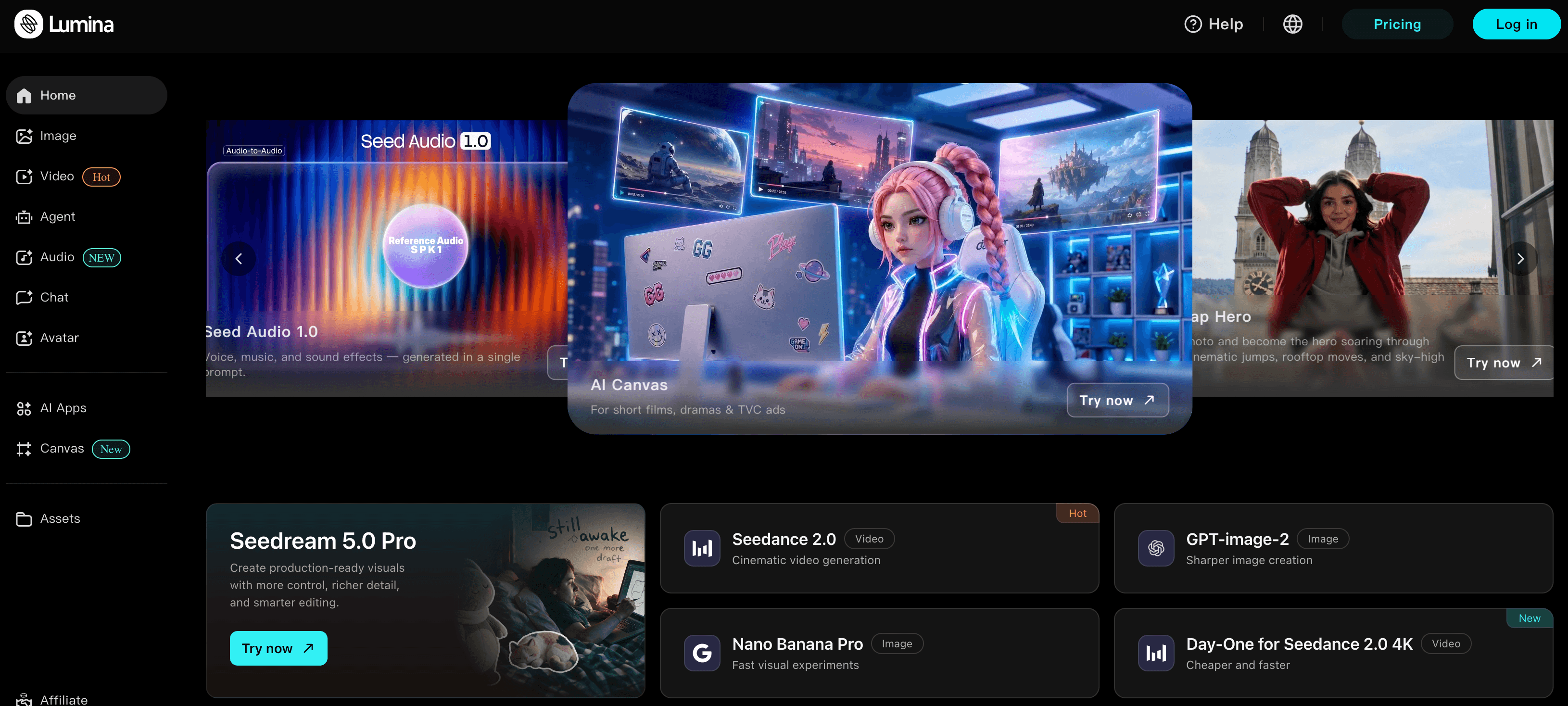
BytePlus AI’s playground puts frontier video, image, LLM and speech models behind one account and one API key — a genuine one-stop hub for teams building multimodal products.
Key Features and Technology
BytePlus AI’s catalog is wide, but it organizes into a handful of clear pillars: the frontier models themselves, the AI-native apps built on top of them, the developer console that ties it together, and the Coding Plan that repackages the whole thing for programmers.
Frontier Models: Seedance, Seedream and Seed 2.0
Dreamina Seedance 2.0 is the video flagship: a multimodal model that accepts text, image, video and audio input and outputs up to 4K video, with multi-shot storytelling and phoneme-level lip-sync in independent testing. Dola Seedream 5.0 Lite handles image generation and editing with an emphasis on subject consistency — useful for product photography where the same item needs to look identical across multiple generated angles. Dola Seed 2.0 Pro is the general-purpose LLM, positioned for agentic and complex-reasoning tasks with multimodal (text, image, video) input and a 256K context window; lighter Seed 2.0 lite and mini variants trade some capability for lower latency and cost.
AI-Native Apps: Lumina, Kickart and ArkClaw
Lumina wraps the model catalog in a no-code creative workspace — templates plus a canvas — aimed at solo creators and small marketing teams who want output without touching an API. Kickart narrows that same model access into e-commerce-specific workflows: batch-generating catalog photos from multiple angles, swapping clothing onto a model while preserving pose and lighting, and building promotional videos with an AI digital-human presenter. ArkClaw is the odd one out — a 24/7 AI companion agent, unlocked for free with the Coding Plan’s Pro tier, that integrates with Lark for meeting notes, task tracking and document generation.
ModelArk: The Developer Console
ModelArk is where the API-first side of BytePlus actually lives: model inference endpoints, evaluation tooling, fine-tuning, and billing all in one console. BytePlus markets ModelArk’s security posture around what it calls TrustPod and network isolation, plus end-to-end encryption for the connection between your app and the model. Those are vendor claims rather than independently audited figures, but they’re the baseline security pitch for any team planning to route production traffic through the platform.
The ModelArk Coding Plan
Instead of paying per token for coding-assistant usage, the Coding Plan bills a flat monthly fee and gives you access to a rotating set of models — Dola-Seed-2.0-pro, GLM-5.1/4.7, DeepSeek-V4/V3.2, Kimi-K2.5 and GPT-OSS — inside the coding tool you already use. It supports Claude Code, Cursor, Cline, Kilo Code, Roo Code, OpenCode and Codex CLI, with an “Auto mode” that picks a model for you if you don’t want to choose manually. Quota resets on a cycle rather than draining your account balance once you hit the cap, which keeps costs predictable.
Pricing, Plans, and Package Structure
BytePlus AI doesn’t use one universal subscription. Most of the model catalog is pay-as-you-go, billed per token, per image or per second of generated video through ModelArk; the Coding Plan is the one flat-fee product. New API accounts also get a starter allowance of free tokens, though the reported size of that allowance varies by source and promotion, so confirm the live number at signup.
| Product | Price (USD) | What It Is | Best For |
|---|---|---|---|
| Coding Plan – Lite | $10/month | ~3x Claude Pro-level usage across Dola-Seed, GLM, DeepSeek, Kimi and GPT-OSS, in your existing coding tool | Solo developers wanting a cheaper Claude Code/Cursor backend |
| Coding Plan – Pro | $50/month | 5x Lite plan capacity, plus ArkClaw agent unlocked free for the subscription period | Freelancers and small teams with heavy daily coding volume |
| Dreamina Seedance 2.0 | $4.3–$7 per million tokens | 4K multimodal video generation from text, image, video or audio input | Marketing teams and creators producing branded video |
| Dola Seedream 5.0 Lite | $0.035 per image | Text-to-image and image-to-image generation with subject consistency | E-commerce and social content creators |
| Dola Seed 2.0 Pro (API) | $0.5/M input · $3/M output tokens | Multimodal reasoning LLM, 256K context, agency-ready | Developers building AI features or agents into a product |
| New-account free tokens | Free (reported ~500K–2M tokens) | Starter API credit for testing models via the regular inference API | First-time developers evaluating fit before paying |
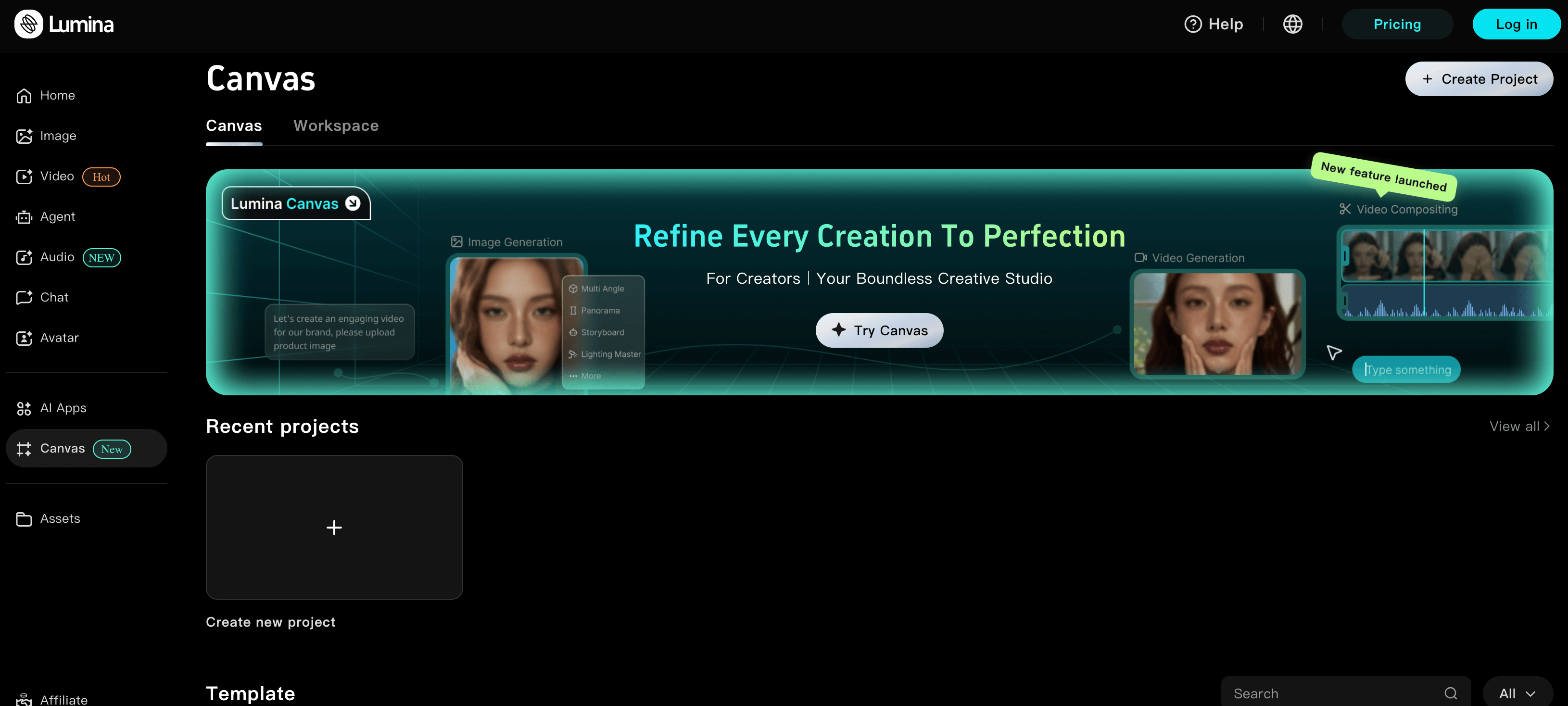
BytePlus AI’s pay-as-you-go pricing on the ModelArk console covers everything from per-image Seedream generation to per-token Seedance video and Seed 2.0 LLM calls.
How BytePlus AI Compares to Alternatives
| Factor | BytePlus AI | Fal.ai | OpenRouter |
|---|---|---|---|
| Model breadth | LLM, image, video, speech, digital human — one account | Media-focused: image, video, audio, 3D (1,000+ endpoints) | LLM-focused: broad routing across many providers |
| Coding-tool subscription | Yes — flat-fee Coding Plan for Claude Code, Cursor, etc. | No | No (pay-per-token routing only) |
| Video pricing model | Per token ($4.3–$7/M) via Seedance 2.0 | Per output, model-dependent; strong low-latency focus | Not a core offering |
| Image pricing | $0.035/image (Seedream 5.0 Lite) | ~$0.001–$0.15/image depending on model | Not a core offering |
| Free trial | Free starter tokens on signup (amount varies) | Limited; largely pay-as-you-go from the start | Free tier on select models, credits for paid ones |
| Backing infrastructure | ByteDance-owned; global cloud + Seed research group | Independent; serverless inference specialist | Independent; routing layer over third-party providers |
| Independent review history | Thin — Trustpilot sample is tiny and mixed | Established developer reputation | Established developer reputation |
| Best for | Multimodal builders + budget-conscious coding-tool users | Low-latency, high-volume media production | Teams that want provider-agnostic LLM routing |
Against Fal.ai, BytePlus AI trades some of Fal’s raw speed and 1,000-plus-model catalog for a narrower but more coherent lineup and the unusual bonus of a coding-tool subscription — if your team already generates video and image content on Seedance and Seedream, folding your Claude Code or Cursor usage into the same account and bill is a real convenience Fal doesn’t offer. Against OpenRouter, BytePlus is less of a neutral routing layer (you’re mostly using ByteDance’s own models rather than choosing between dozens of providers), but its own LLM pricing on Seed 2.0 Pro is competitive on paper, and the flat-fee Coding Plan is simply a different product category than OpenRouter’s pure pay-per-token model. Neither Fal.ai nor OpenRouter carries BytePlus’s ByteDance-ownership question, which matters more to some buyers than to others — see the Cons section below.
Pros and Cons
What Users Love
One key, five model categories: Not juggling separate accounts for video, image, LLM and speech generation is a real time-saver for teams building multimodal products or content pipelines.
Sharp flagship pricing: $0.035 per image and $4.3–$7 per million video tokens are genuinely competitive numbers against media-aggregator markups, especially for teams generating at volume.
A flat-fee coding backend: The Coding Plan is one of the few products on the market that lets you keep Claude Code or Cursor as your interface while swapping in a cheaper, ByteDance-hosted model backend, with predictable monthly billing instead of per-token surprises.
Fast, well-resourced model releases: Seedance 2.0, Seedream 5.0 Lite and Seed 2.0 Pro all shipped or updated within months of each other in 2026, backed by ByteDance’s research and infrastructure scale rather than a small independent lab.
Free tokens to test before you pay: New API accounts can prototype real features or generate test batches before entering payment details, lowering the barrier to evaluating fit.
Limitations Worth Knowing
Thin, skewed-negative review history: BytePlus’s own Trustpilot page carries a 2.9-out-of-5 score from just two reviews — far too small a sample to draw firm conclusions from, but the substance of those complaints (a refund refused for an unusable Seedance-2 output and undisclosed feature limits compared with rivals like Google Flow and Kling) is worth reading before you commit meaningful spend, not dismissing because the sample is small.
Pricing and promotions move fast: BytePlus already suspended a first-purchase Coding Plan discount in March 2026, and its marketing pages are heavily JavaScript-rendered, meaning any screenshot or article — including this one — can go stale within weeks. Always confirm current pricing inside the console.
Built for developers, not casual consumers: Outside of Lumina, most of the platform assumes comfort with API keys, usage dashboards and metered billing. If you want a flat-fee consumer chatbot or image app with no technical setup, this isn’t that.
ByteDance ownership is a real factor for some buyers: BytePlus positions itself as a separate international entity with its own security claims (TrustPod, network isolation, end-to-end encryption), but it’s ultimately part of the company that owns TikTok, and some enterprise procurement teams and regulators outside China continue to scrutinize the parent company’s data practices. Whether that matters to you depends on your industry, region and vendor-risk policy — but it belongs in the evaluation, not left out of it.
No published SLA or uptime track record: Marketing copy asserts high capacity and no throttling, but there’s no public uptime history or incident log to check those claims against, unlike more established API providers with years of status-page history.
Who Should Use BytePlus AI
Developers already using Claude Code, Cursor or similar tools: If your monthly API bill for coding-assistant usage is climbing, the Coding Plan’s flat $10–$50 fee is worth testing against your actual spend before you commit to a full switch.
Teams building multimodal products: If your roadmap touches text, image and video generation, consolidating on ModelArk’s single API key and dashboard is a genuine operational win over stitching together three separate vendors.
E-commerce sellers and small marketing teams: Kickart’s catalog-photo and try-on workflows are a narrow, practical fit for online sellers who need product imagery at volume without hiring a photography team.
Solo creators and hobbyists: Lumina’s template-driven canvas, plus the free starter tokens, make it a low-risk way to experiment with frontier video and image models without a steep learning curve.
Who should look elsewhere: Enterprises that require a documented SLA, a long public incident history, or a vendor free of ByteDance-ownership questions should weigh Fal.ai, OpenRouter, Together AI or a Western cloud provider instead. Non-technical users who want a single flat-fee consumer app with no API involved will likely be happier with a dedicated chatbot subscription. And anyone about to route significant production traffic through BytePlus should read the handful of existing third-party reviews carefully first — the independent track record here is still being written.
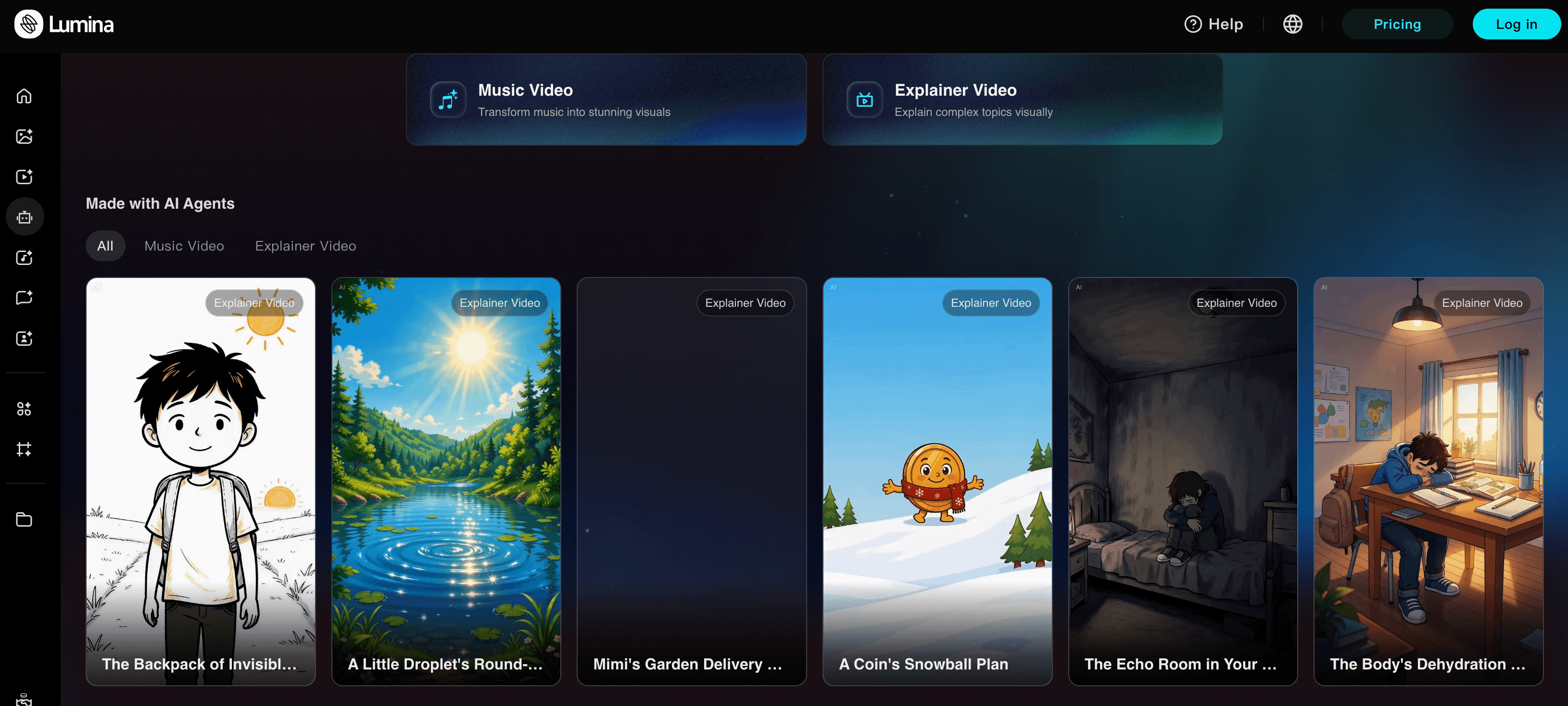
The ModelArk Coding Plan lets developers keep their existing coding tool while swapping in ByteDance-hosted models for a flat monthly fee instead of per-token billing.
Getting Started: Step by Step
- Create a BytePlus account. Sign up at ai.byteplus.com and open the ModelArk console — this is where API keys, billing, and (if you choose it) the Coding Plan all live.
- Claim your free trial tokens. Check the current new-account allowance in the console before testing, since it applies to the regular inference API only and not the Coding Plan.
- Pick your entry point. Use the AI Playground to chat with models or generate media casually; use Lumina or Kickart if you want a no-code app; use the ModelArk API directly if you’re building a product.
- Decide on the Coding Plan separately. If your goal is a cheaper backend for Claude Code, Cursor or similar, subscribe to Lite or Pro and follow BytePlus’s integration docs to point your tool at the ModelArk endpoint.
- Run a small test before committing spend. Generate a handful of images, a short video clip, or a modest coding task first, and compare the output quality and cost against what you’re currently paying elsewhere.
- Set a budget and monitor usage. Watch the ModelArk usage dashboard closely in the first month, and check the referral program if you want 10% off a first Coding Plan subscription.
Tips for Getting Maximum Value
If you’re on the Coding Plan, disable “Deep Thinking” mode for routine tasks — it chews through quota fast and is only worth the cost on genuinely complex reasoning problems, and most tools let you pin a specific model like Dola-Seed-2.0-lite in your config to control which one handles simple requests. For media generation, batch your Seedream image requests where possible since per-image pricing rewards volume, and lean on the free starter tokens to validate output quality on your specific use case (especially anything involving faces, given the documented complaint about Seedance-2 struggling there) before buying a large credit package. Keep an eye on the ModelArk usage dashboard rather than trusting estimated costs, since token-based video and LLM pricing can be harder to predict than a flat subscription. And because pricing and promotional terms have already changed once in 2026, bookmark BytePlus’s official pricing docs rather than relying on a cached number from a review or a screenshot — including this one.
Future Outlook and Final Assessment
The flat-fee coding-plan model that BytePlus is running isn’t unique to them — Alibaba, Z.ai/GLM and others are chasing the same idea of repackaging cloud-hosted models as a Claude Code or Cursor backend at a fraction of typical API cost. That competition should be good for buyers: prices and quotas are likely to keep shifting, and BytePlus’s willingness to adjust terms (as it did with the March 2026 discount suspension) suggests the current pricing is a snapshot, not a fixed target. On the model side, ByteDance’s research cadence and infrastructure scale give BytePlus a real shot at staying near the frontier on video and image generation specifically, where Seedance and Seedream have already earned attention in independent benchmark trackers.
The honest caveats are just as real: this is a young platform by review standards, its public reputation is currently built on a handful of mixed reports rather than years of track record, and buyers with strict vendor-risk or data-residency requirements will need to look past the marketing claims and make their own call on ByteDance ownership. Within those limits, BytePlus AI in 2026 is a genuinely capable, competitively priced multimodal platform for developers and small teams — just one you should test in small, cheap increments before routing anything mission-critical through it.
Conclusion
BytePlus AI isn’t trying to be a single polished consumer app — it’s trying to be the backend that developers, creators and small teams can build almost anything AI-powered on top of, and on raw model breadth and pricing, it largely delivers on that promise. The Coding Plan is the standout feature for anyone already paying for AI-assisted development, and the Seedance/Seedream/Seed 2.0 lineup gives builders a genuinely competitive alternative to stitching together three separate vendors. It’s not the right call yet for enterprises that need a long compliance track record, or for non-technical users who just want a flat-fee chatbot subscription — but for developers willing to test in small increments and keep an eye on the console, BytePlus AI is one of the more interesting AI platforms to watch in 2026. Confirm the current pricing, run a small test first, and it can genuinely simplify a multimodal AI stack.
Ready to build with one AI platform instead of five?
Explore more honest reviews, tutorials and tech comparisons to find the right gear for the way you work, travel and live — at World Of Tech, where we make everything easy.
👉 Shop BytePlus AI: https://worldoftech.space/byteplus
👉 Our YouTube Channel: youtube.com/@world_tech79
👉 Our Facebook Fanpage: Facebook
👉 Our X (Twitter): @worldoftech79
Pricing, specifications and policy details in this review were verified against ai.byteplus.com, docs.byteplus.com and independent pricing/review trackers (including Trustpilot) as of July 2026. AI model pricing, subscription terms and promotional offers change frequently — BytePlus itself adjusted Coding Plan pricing in March 2026 — so confirm current details in the ModelArk console before purchasing. Competitor prices are approximate and subject to change.