
The integration of artificial intelligence into small and medium business (SMB) operations is radically transforming how companies approach automation, security, and customer engagement. With the widespread availability of affordable AI tools, business owners can leverage advanced technologies once reserved for large enterprises. This detailed guide highlights the key trends, practical workflows, and technology best practices every SMB should know to stay competitive in 2026 and beyond. Enhanced tables, internal links, and expert blockquotes are displayed for optimal readability and usability, ensuring a clear, modern user experience as you explore how to future-proof your business in the era of AI innovation.
AI Integration in Small Business Operations: 2026 Trends, Benefits, and Best Practices
Adoption of AI in Small Business Operations: 2026 Landscape
Current Adoption Rates and Case Studies
In 2026, AI integration in small business operations is surging. According to a report by Gartner, over 68% of SMBs are actively using at least one AI-driven tool—a 40% jump compared to 2024. This adoption is driven by the need to streamline workflow, boost productivity, and enhance customer experiences.
Real-world example:
Smith & Co., a regional retail chain in Texas, implemented an AI inventory management system in 2025. Within months, manual errors dropped by 30%, and stock optimization improved supply chain efficiency by 22%. Their CEO remarked, “AI allowed us to compete with national brands by leveling up our operational intelligence.”
Key drivers for AI Integration:
- Cost savings through automation and error reduction
- Faster decision-making with predictive analytics
- Enhanced customer satisfaction via personalization
- Compliance and risk mitigation using AI-driven tools
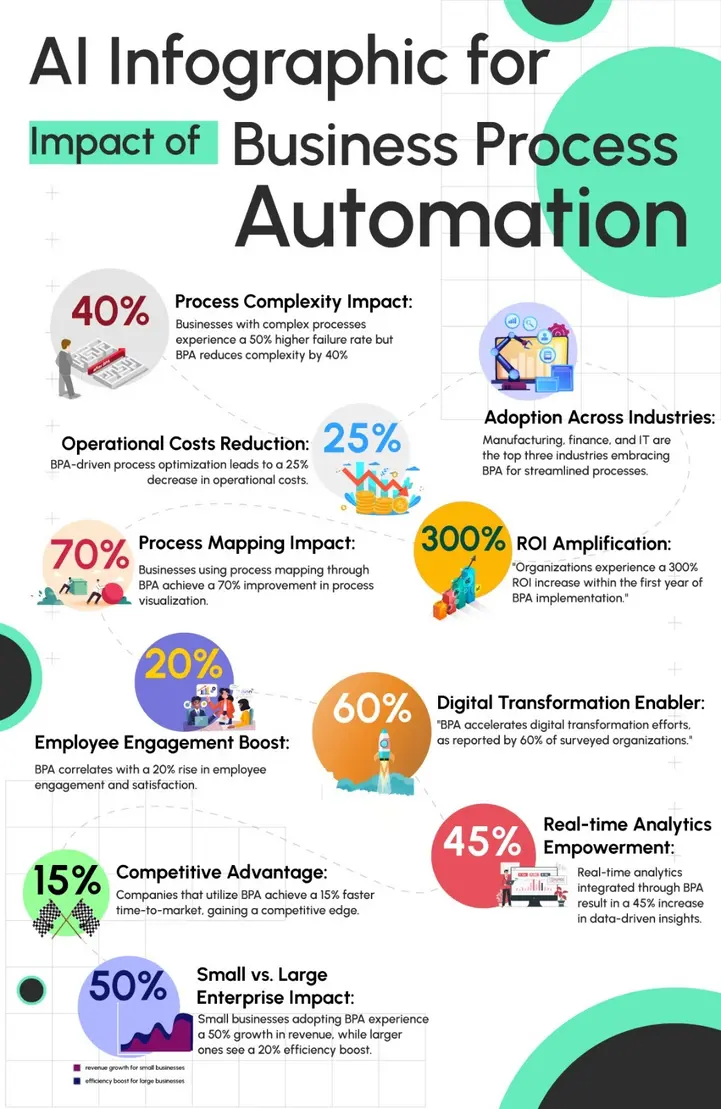
Statistics: AI Usage Growth (2024 vs 2026)
| Year | Percentage of SMBs using AI | Most used AI applications |
|---|---|---|
| 2024 | 28% | Chatbots, CRM automation |
| 2025 | 50% | Inventory, workflow automation |
| 2026 | 68% | Predictive analytics, cybersecurity, personalization |
5 Practical Steps to Start AI Usage in Small Business Operations
- Assess business needs: Identify operational bottlenecks or repetitive tasks.
- Research AI solutions: Seek platforms tailored for SMBs (e.g., Zoho, Freshdesk, monday.com).
- Start small: Pilot one AI tool in a single department.
- Monitor outcomes: Track cost savings, efficiency, and ROI.
- Scale gradually: Expand based on positive results.
Key AI-Driven Automation Tools and Features for SMBs
Custom Automation Workflow: From Idea to Implementation
The explosion of automation platforms—many with drag-and-drop, no-code interfaces—means SMBs don’t need deep technical expertise to reap AI-driven rewards. Automation streamlines repetitive tasks like invoice processing, customer queries, and appointment scheduling.
Checklist: Steps for Implementing AI Automation
- Map out current manual workflows
- Select automation platform (e.g., Zapier, Airtable, Microsoft Power Automate)
- Integrate APIs for seamless data flow
- Set up rule-based triggers (if/then logic)
- Monitor for errors and train AI as needed
- Review analytics for performance improvements
Technical Analysis: Integrating APIs for AI Automation Workflows
APIs are the backbone of smooth data transfer between AI tools and existing business platforms. For example, connecting an AI chatbot to inventory databases allows for real-time queries, speeding up customer support.
Benefits SMBs are Seeing:
- 30%+ time saved on routine administrative tasks
- Reduced human error
- Improved scalability
- Faster response times to customer inquiries
Zero Trust Cybersecurity: Essential for Small Business AI
Predictive Compliance and AI-Based Risk Management
As SMBs integrate AI, cybersecurity risks also rise. Traditional perimeter-based security is becoming obsolete—“Zero Trust” models, where every device, user, and connection is verified continually, are now critical for small businesses.
Table: Cybersecurity Approaches—Traditional vs. Zero Trust
| Security Model | Verification Approach | Risk Mitigation | Key Benefit |
|---|---|---|---|
| Traditional | Perimeter-based | Limited | Simple setup |
| Zero Trust | Continuous | High | Robust defense |
| AI-Enhanced Zero Trust | Predictive analytics | Highest | Proactive threat detection |
“Zero Trust is not just for enterprises anymore. SMBs must protect sensitive data across all touchpoints, especially as AI increases digital footprints.” – Jane Y., Cybersecurity Specialist
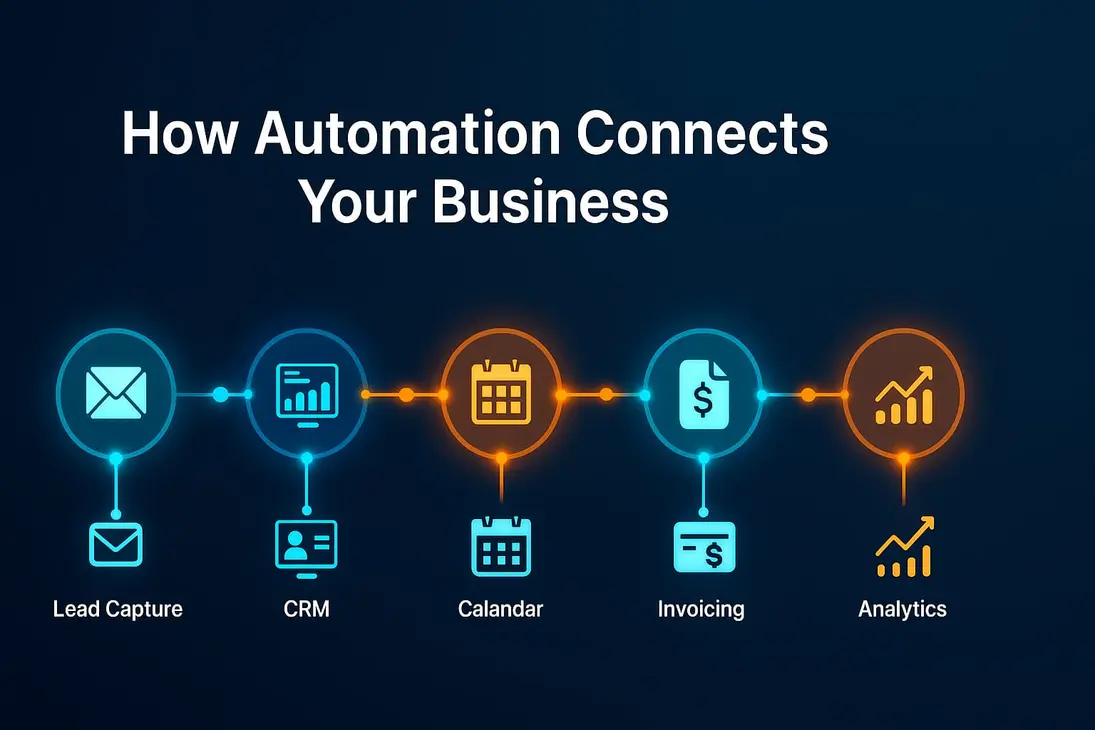
Quick Guide: Cybersecurity Zero Trust Setup for SMBs
- Implement multi-factor authentication (MFA)
- Use endpoint management and monitoring
- Apply least-privilege access for all users
- Regularly update AI security profiles
- Integrate AI-powered threat detection
Internal Link
Security is a top concern—for deeper practical advice on setting up advanced protection, explore:
Watch more
Cloud Computing and Connectivity Trends in Small Business
Convergence of Cloud and Wireless for Seamless Operations
Small businesses are rapidly transitioning from legacy IT systems to cloud-based infrastructure. Cloud computing allows flexibility, real-time data access, and simpler AI integration. In 2026, affordable cloud solutions are tailored for SMBs, providing plug-and-play scalability.
Bullet Points: Cloud Benefits vs. Legacy IT for SMBs
- Cloud:
- Real-time collaboration
- Remote access and flexibility
- Easy integration with AI applications
- Cost-effective pay-as-you-go models
- Legacy IT:
- On-premises maintenance
- Higher upfront costs
- Limited scalability
- Restricted integration with modern tools
Infographic Example:
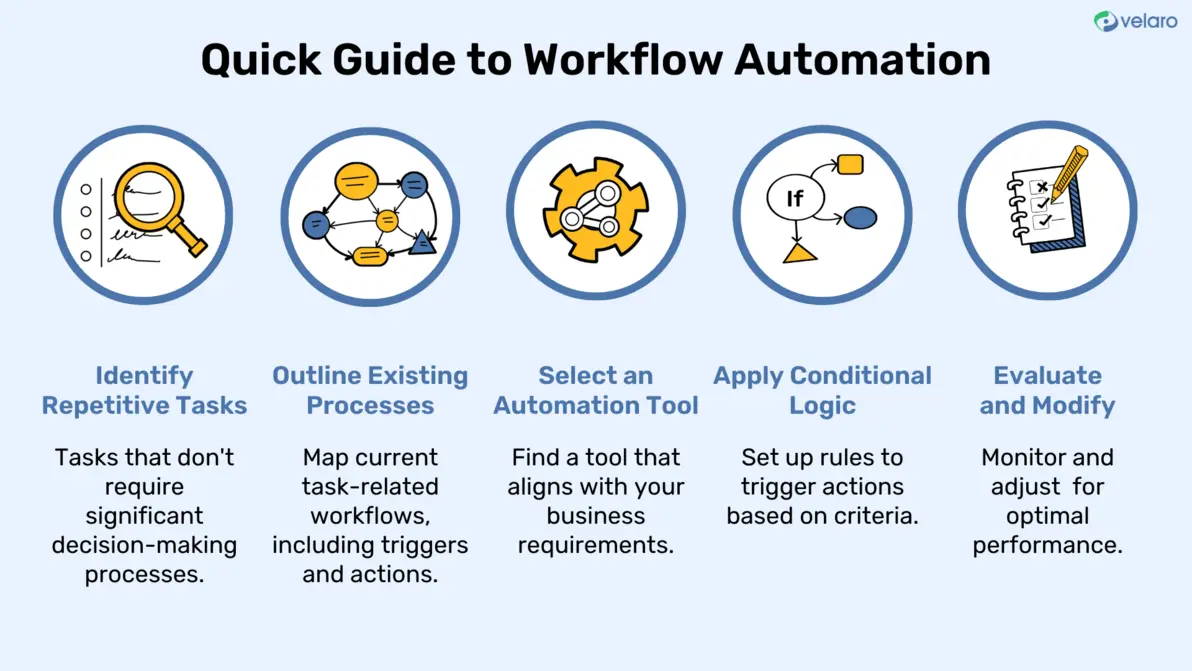
By embracing cloud, SMBs achieve faster deployment of AI tools, stronger disaster recovery, and improved cybersecurity.
Leveraging AI for Hyper-Personalized Customer Experiences
Affordable AI Marketing and Customer Service Solutions
Hyper-personalization—AI’s ability to tailor products, messaging, and support to each customer—is now affordable for SMBs. Tools like AI-driven email marketing platforms, recommendation engines, and intelligent CRM systems deliver big-business capabilities at small-business prices.
Example Pricing Comparison: Enterprise vs. SMB AI Personalization
| Feature | Enterprise | SMB (2026 tools) |
|---|---|---|
| AI-Driven CRM | $2,000/month | $99/month |
| AI Recommendation Engine | $5,000/month | $200/month |
| Chatbot w/ Personalization | $1,500/month | $75/month |
Case Study:
A local restaurant deployed an AI-powered loyalty program, dynamically offering personalized discounts based on dining history. Result: Repeat visits increased 15%, and customer satisfaction scores jumped.
How AI Can Transform Customer Experience:
- Personalized product recommendations
- Dynamic pricing strategies
- Automated, 24/7 customer support
- Real-time feedback collection
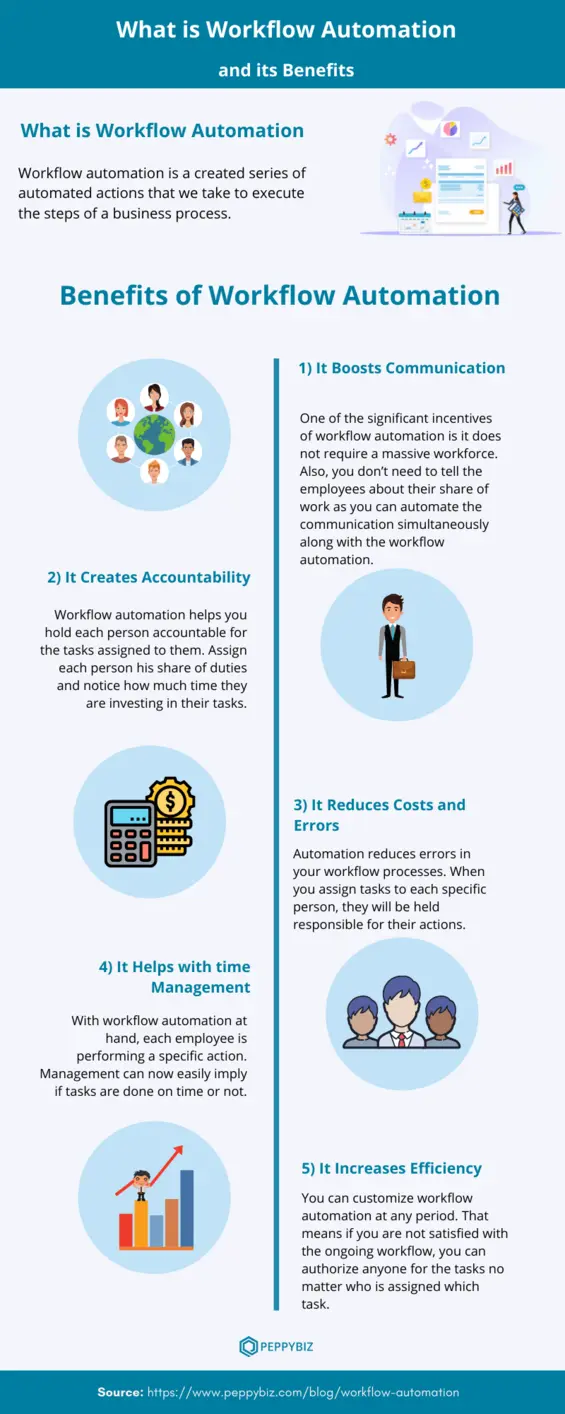
Emerging Technologies: Beyond Basic AI in Small Business
No-Code, Augmented Reality, and Quantum Applications
2026 is ushering in not just smarter AI, but other disruptive technologies:
- No-code platforms: Empower SMBs to build custom apps and automation without expensive developers.
- Augmented reality (AR): Retailers and service businesses use AR for immersive shopping, virtual tours, and remote assistance.
- Quantum-inspired applications: Early-stage quantum computing tools help optimize logistics and predict market shifts.
Infographic: AI Tool Cost Savings via No-Code Platforms
- Average savings: $12,000/year in development costs
- Faster deployment: 3x quicker compared to traditional app development
List: Top Skills and Resources for SMB Owners in 2026
- AI literacy and data analytics
- Cloud management skills
- Zero Trust cybersecurity basics
- Networking and digital collaboration
- Industry-specific AI resource guides
Upskilling, Networking, and Human Elements in an AI-Driven Small Business
Building AI Literacy and Enhancing Relationships in Tech Environments
AI-powered operations don’t diminish the value of human expertise—they elevate it. Upskilling employees in AI, data analysis, and tech foundations is crucial. Many SMBs are using online platforms (Coursera, LinkedIn Learning) to foster digital fluency.
Tips for Building a Tech-Savvy Team:
- Incentivize ongoing learning with micro-credentials
- Host regular hackathons and innovation workshops
- Partner with local tech hubs for knowledge sharing
Expert Insight:
“AI must be balanced with human intuition. Combining automation with employee creativity produces the strongest results.” — Rebecca I., AI transformation consultant
FAQs: Small Business AI Integration (Tool Selection, Budget, Security, ROI)
Q: What are the best AI tools for SMBs?
A: ChatGPT, Zoho AI, Hubspot, Monday.com, and Freshdesk are popular for automation, CRM, and support.
Q: How much should small businesses budget for AI integration?
A: Start with $50–$500/month per tool, scaling based on usage.
Q: Is Zero Trust cybersecurity too expensive for small businesses?
A: Many affordable solutions exist, offering scalable protection and free trials.
Q: How do SMBs measure ROI on AI investments?
A: Monitor cost savings, productivity gains, customer satisfaction, and increased sales directly attributed to AI.
Final Takeaway: Best Practices to Future-Proof Your SMB with AI
- Start with clear business objectives and identify routine tasks for automation
- Choose scalable, SMB-friendly AI solutions with strong cloud integration
- Implement Zero Trust cybersecurity as standard—not an afterthought
- Use hyper-personalization tools to retain and delight your customers
- Upskill your team regularly and foster a culture of innovation
Internal Link 2 (Suggested Next Read)
Continue your exploration into future-proofing your small business by reading:
Watch more
Connect and Expand Your Tech Knowledge
Ready to maximize your business with AI? Join our ecosystem:
👉 Our Website
👉 Our YouTube Channel
👉 Our Facebook Fanpage
👉 Our X ( Twitter )