
In the fast-changing world of interior and art design, picture framing in 2026 is undergoing a renaissance. It’s a confluence of innovative materials, eco-friendly practices, and deeper engagement with both art and audience. With sustainability at the forefront and custom options seamlessly blending with technology, framing is no longer just about protection—it’s about the bold, expressive presentation of art itself. This comprehensive guide highlights contemporary trends in materials, design, and emotional authenticity—equipping artists, collectors, and enthusiasts with the knowledge to curate meaningful art environments. Dive in to explore the future of art framing!
Art To Frame: 2026 Picture Framing Trends, Materials, and Authentic Art Presentation
Frame Design Trends for 2026: Materials and Profiles
The landscape of art framing in 2026 is more dynamic and personalized than ever, bridging classical craftsmanship and cutting-edge innovation. Custom picture frames increasingly serve as an extension of the artwork itself, blurring the boundary between art and architecture.
Material Evolution: Brushed Metals, Natural Woods, Mixed Media
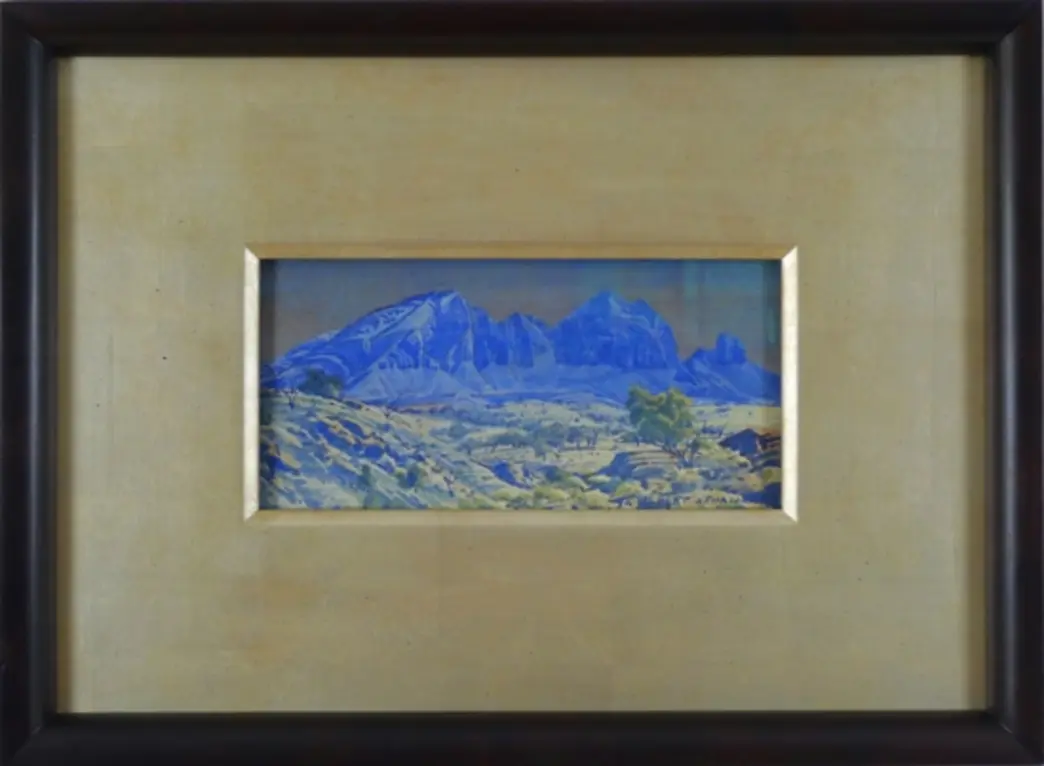
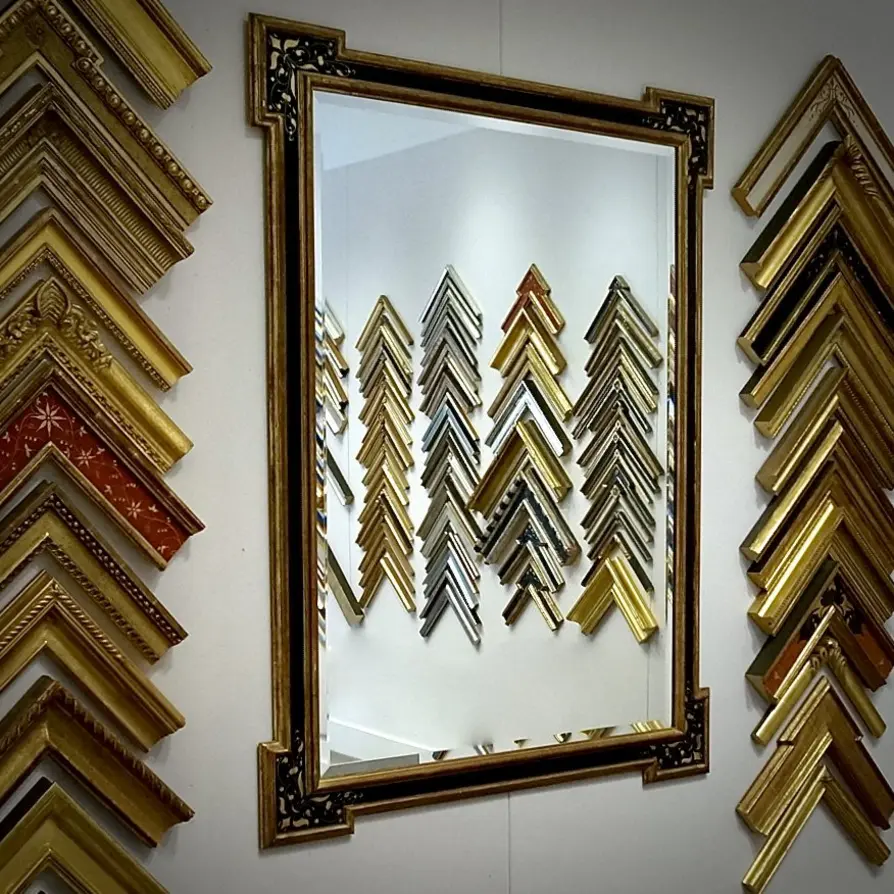
One of the most pronounced shifts for 2026 is the diversity in framing materials. Natural woods like walnut, oak, and bamboo reflect eco-conscious aesthetics, while brushed metals (aluminum, steel) offer sleek, industrial vibes. Mixed media frames—combining wood, metal, acrylic, or even recycled substances—mirror the rise of hyper-tactile, multidimensional art.
2026 Frame Material Trends
- Walnut, Oak & Reclaimed Woods: Sourced responsibly, emphasize warm, organic aesthetics.
- Brushed Aluminum & Stainless Steel: Clean lines, modern symmetry, suitable for urban art spaces.
- Recycled Plastics & Biomaterials: Pioneer the eco-friendly revolution, ideal for sustainable framing.
| Material | Description | Best For | Eco Factor |
|---|---|---|---|
| Walnut Wood | Deep, luxurious hue | Traditional, gallery | High (if reclaimed) |
| Recycled Acrylic | Lightweight, clear | Modern, floating frames | Very high |
| Brushed Metal | Industrial, minimalist | Contemporary offices | Moderate |
| Bamboo | Rapid renewable | Earthy, Asian influence | Highest |
Architectural Profile: Wide Frames, Floating/Shadowbox Styles, Statement Pieces
Framing profiles are more sculptural in 2026. Wide frames anchor bold artworks, while slim-line and bezel frames create minimalist refinement. Floating frames (artwork appears to “levitate” within the frame) are the hallmark of modern and digital art, allowing clean separation from the wall.
- Shadowbox Frames: Perfect for 3D or layered art, memorabilia, and mixed-media.
- Statement Frames: Oversized, ornate, or uniquely shaped, these capture attention in any room.
Color, Personalization, and Style in Picture Framing
Custom framing is moving beyond functional necessity—becoming a key style signature and personal branding element.
Color Trends: Jewel Tones, Bold Accents, Matte Finishes
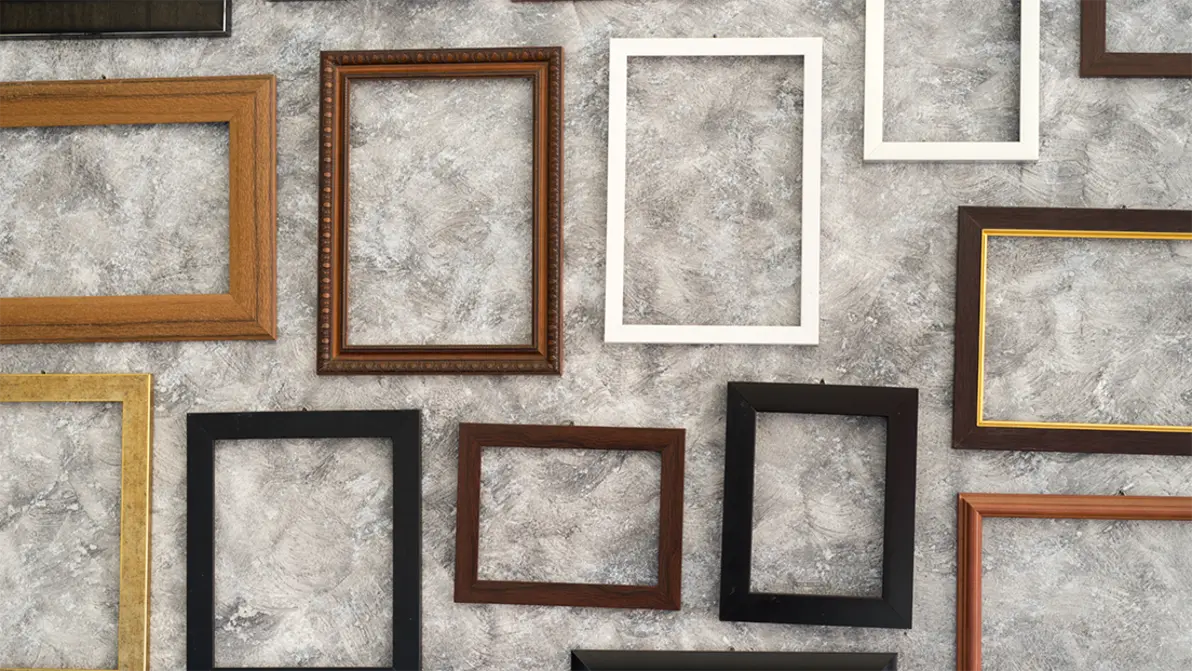
2026 brings a vibrant resurgence in color diversity. Jewel tones (emerald, sapphire, amethyst) set rich thematic backdrops, while matte black, brass, and pastel finishes complement contemporary tastes. Bold accent frames (color-dipped edges or gradient profiles) offer curated harmony with wall art palettes.
Examples of Trending Color Palettes
- Earth Tones: Terracotta, olive, ochre (grounded, natural interiors)
- Transformational Hues: Color-changing frames with light-reactive finishes
- Deep Jewel Tones: Dramatic warmth for luxury spaces
Personalization: Custom Options, Color Coordination, European Styles
Custom color matching—whether to an artwork’s undertones, room décor, or the collector’s tastes—is easier than ever with AI-powered online frame configurators. European-style frames (ornate baroque, minimal Parisian, Scandi simplicity) influence upscale selections.
- Personal monograms, engraved brass corners, and laser-etched patterns are trending touches.
- Digital configurators allow virtual previews to balance color harmony, scale, and décor.
Innovations in Art Materials and Content
Art itself is shifting—becoming more tactile, surprising, and emotionally engaging.
Artwork Texture: Hyper-Tactile, Layered Materials, Sculpture Integration
Frames must support artwork made from layered paper, textured textiles, digital collage, or even embedded LED elements. 3D shadowboxes and floating frames create space for relief artwork, sculpture, or assemblages.
Emerging Color Palettes: Earth Tones, Transformational Hues
Artworks in 2026 carry strong earth tones and shifting, iridescent color schemes that demand adaptable frame designs. Artists favor colors that transform throughout the day—requiring frames that enhance, not clash with, changing hues.
Artistic Direction: Medieval Revival, Abstract Realism, Stylized Illustration
The most prominent styles range from Medieval Revival (Gothic arches, gilded frames) to Abstract Realism and intricate stylized illustrations. Frame makers are responding with adaptable profiles—ornate for historic art, minimalist for cutting-edge illustration.
Accessibility, Market Shifts, and Emerging Artists
Market Developments: Affordability, Direct Artist Sales, Online Platforms
Art framing is becoming more affordable and transparent thanks to online direct-to-consumer sales models. Stats: In 2026, over 58% of custom frames are purchased online, with a 24% increase in artist-to-buyer direct framing services. This movement helps emerging artists showcase their work—all while maximizing authenticity.
Watchmore: BrightLocal Local SEO Software Review 2026
Gallery Models: Collaboration, Hybrid Sales Channels
Hybrid gallery models enable collaboration between artists, curators, and frame makers. Online platforms set up joint promotions and virtual framing previews for buyers. Physical galleries integrate digital screens displaying frame options, enhancing customer engagement.
- Online Marketplaces: Etsy, Saatchi, and direct artist shops form the backbone of 2026 framing commerce.
- Collaborative Studios: Emerging artists benefit from shared design resources, framing partnerships, and social media visibility.
Eco-Friendly Framing Practices and Sustainability
Sustainability is the key value proposition for both artists and buyers—framing choices must reflect responsibility, renewability, and aesthetic longevity.
Green Framing: Vintage, Recycled, Reclaimed Materials
Frames sourced from reclaimed barn wood, recycled metals, or upcycled plastics have become symbolic of ethical curation. Many galleries now advertise “green framing certification” for artworks.
- Vintage Rescues: Repurposing antique frame structures for new art.
- Recycled Plastics: Lower carbon footprint, vibrant finish options.
- Reclaimed Metals & Woods: Sourced locally to support regional economies.
Checklist for Eco-Friendly Framing Choices
- ✅ Verify recycled material content
- ✅ Request sustainable sourcing certificates
- ✅ Prefer local frame makers using reclaimed wood
- ✅ Seek out recyclable and modular frame designs
Sustainable Manufacturing: Recycled Plastics, Managed Woods
Frame manufacturers are investing in closed-loop recycling processes—using post-consumer plastics and managed forests for wood. Artists may now select frames manufactured with transparent supply chains and low-carbon logistics.
Authenticity, Emotional Connection, and Human Expression
The world of art framing in 2026 is responding to the collective desire for genuine, emotionally charged presentations. In the wake of generative AI art and automated production, hand-crafted, human-made frames and artworks hold greater emotional weight.
Authenticity in Art: Human-Made vs Automated Imagery
Collectors and galleries emphasize clear labeling: Is the artwork and frame entirely hand-crafted, partially automated, or fully machine-generated? Transparently documenting the creative process—from concept to framing—drives collector confidence and emotional connection.
“The frame is not a boundary; it is an invitation—drawing viewers into the artist’s world with both substance and story.”—Contemporary Curator, 2026
Collector Preferences: Process Transparency, Emotional Resonance
Surveys show 76% of art buyers in 2026 prefer works with documented creative processes and sustainable framing choices. Labels, QR codes, and digital certificates document provenance, frame materials, and artist biography—enhancing trust and engagement.
2026 FAQ: Picture Framing and Art Trends
Frequently Asked Questions about Art To Frame, Trends, and Sustainability
How do I choose the best custom frame for my art type?
- Select profiles that echo the artwork’s theme: ornate for classic, minimalist for contemporary, shadowbox for depth.
- Color coordination is crucial—preview virtual samples before ordering.
Are floating frames good for modern art?
- Absolutely. Floating frames offer elegant separation for digital image prints, canvas art, and hyper-minimalist styles.
Where can I find sustainable frames?
- Local frame shops, online platforms (Etsy, Framebridge), and galleries with green certifications.
How can I use online custom framing services effectively?
- Upload high-resolution images.
- Use interactive tools for color, size, and material experiments.
- Review AI-driven suggestions for optimal fit.
Wood vs Metal vs Eco-Friendly Frames: Which lasts longer?
| Frame Type | Durability | Aesthetic | Best Use |
|---|---|---|---|
| Solid Wood | High | Warm, organic | Classic, gallery |
| Metal (Aluminum) | Highest | Sleek, modern | Commercial, digital |
| Recycled Plastic | Good | Versatile, trendy | Sustainable, casual |
Practical Guide: Mixing and Matching Trending Frame Styles
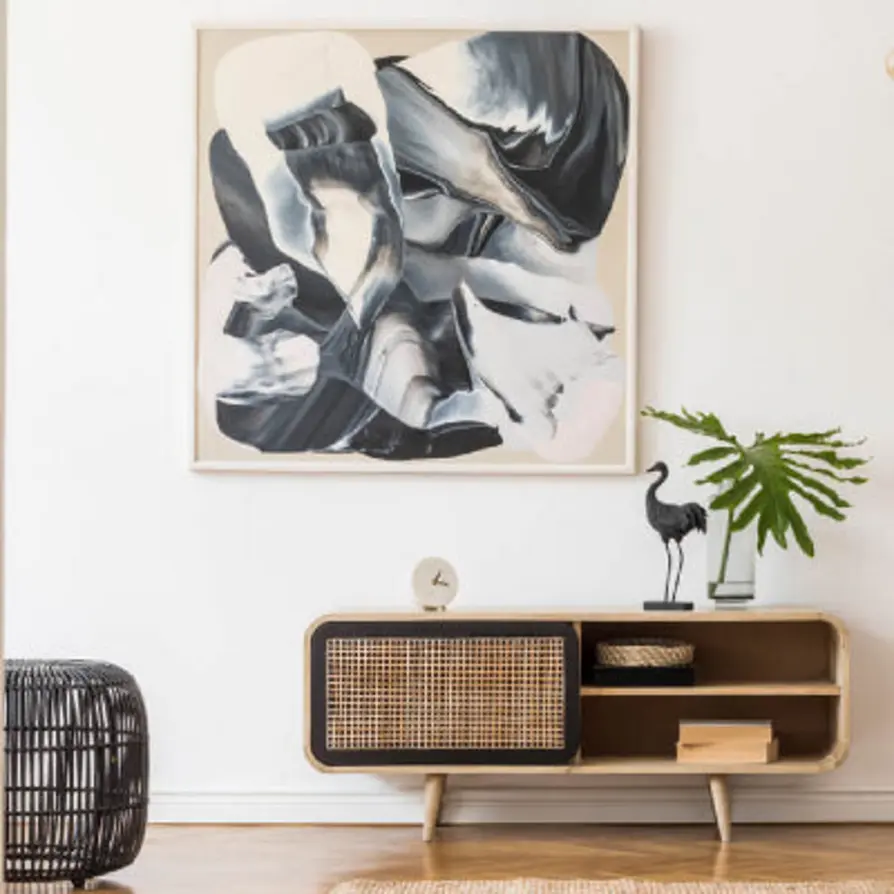
- Combine matte black floating frames with vibrant abstract prints.
- Line up shaded wood frames for earthy, textured art installations.
- Create gallery walls mixing wide statement pieces with delicate metallic profiles.
Art Preservation Essentials for 2026 Materials
- Select acid-free mats and UV-protective acrylics.
- Opt for modular frames for easy art switching.
- Monitor humidity and light exposure for longevity.
Summary: The Future of Art To Frame
In 2026, framing becomes a profound declaration—reflecting innovation in materials, sustainability, color, texture, and emotional authenticity. Artists, collectors, and designers all converge to celebrate not only what hangs on the wall, but how it’s presented, preserved, and experienced. With eco-friendly practices, accessible customizations, and bold creative expression, the world of art framing is set to inspire deeper connections to both the art and the stories behind every frame.
Looking to explore how adaptive AI is transforming digital curation and marketing? Watchmore: AI-Powered SEO 2026: Adaptive Strategies & Tools.
Connect and Discover More
👉 Our Website: https://worldoftech.space/
👉 Our YouTube Channel: https://www.youtube.com/@world_tech79
👉 Our Facebook Fanpage: https://www.facebook.com/profile.php?id=61576258059614
👉 Our X (Twitter): https://x.com/worldoftech79