
Before diving into the technical marvels of lab grown diamonds, let’s take a moment to appreciate the story behind this transformative innovation. These fascinating gems symbolize the intersection of science, sustainability, and modern luxury. As jewelry evolves to match a new generation’s values—transparency, individuality, and social responsibility—understanding how lab diamonds are made and certified has never been more exciting. Expect this guide to illuminate every aspect of their production, comparison, grading, and rising influence in contemporary jewelry.
Diamonds have always sparked fascination and desire—there’s no denying their timeless appeal. But let’s be real: the processes behind getting those dazzling stones on your finger have changed massively in recent years. You’ve probably noticed ads for lab grown diamonds everywhere, promising the same stunning look, fewer ethical worries, and way friendlier prices. With sustainability and transparency front and center, buyers are asking smarter questions: How do these diamonds stack up against the natural kind? Can you trust their certifications? And what does all this mean for engagement ring trends on the rise? In this in-depth guide, we’ll unravel the science behind lab diamonds, how to navigate quality grading, what makes them revolutionary for your wallet—and your conscience—and why they’re re-writing the rules of modern jewelry. Get ready to see diamonds in a whole new light.
The Ultimate Guide to Lab Grown Diamonds: Production, Authenticity, Value & 2025 Buying Trends
HPHT vs CVD Lab Diamond Production
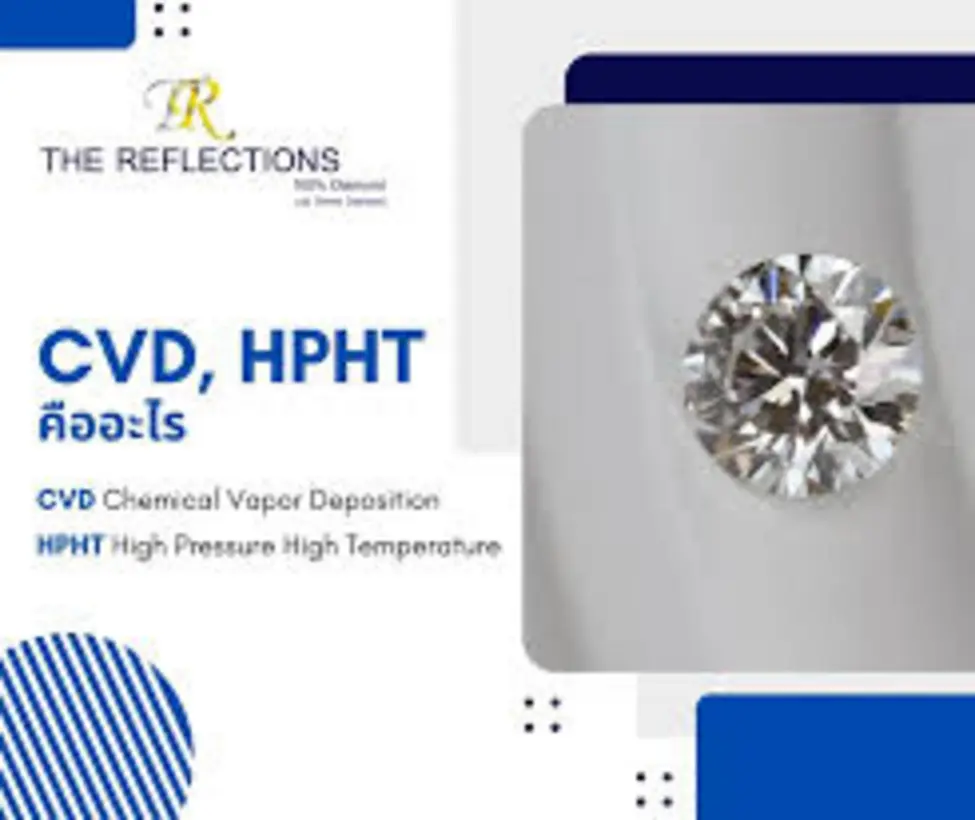
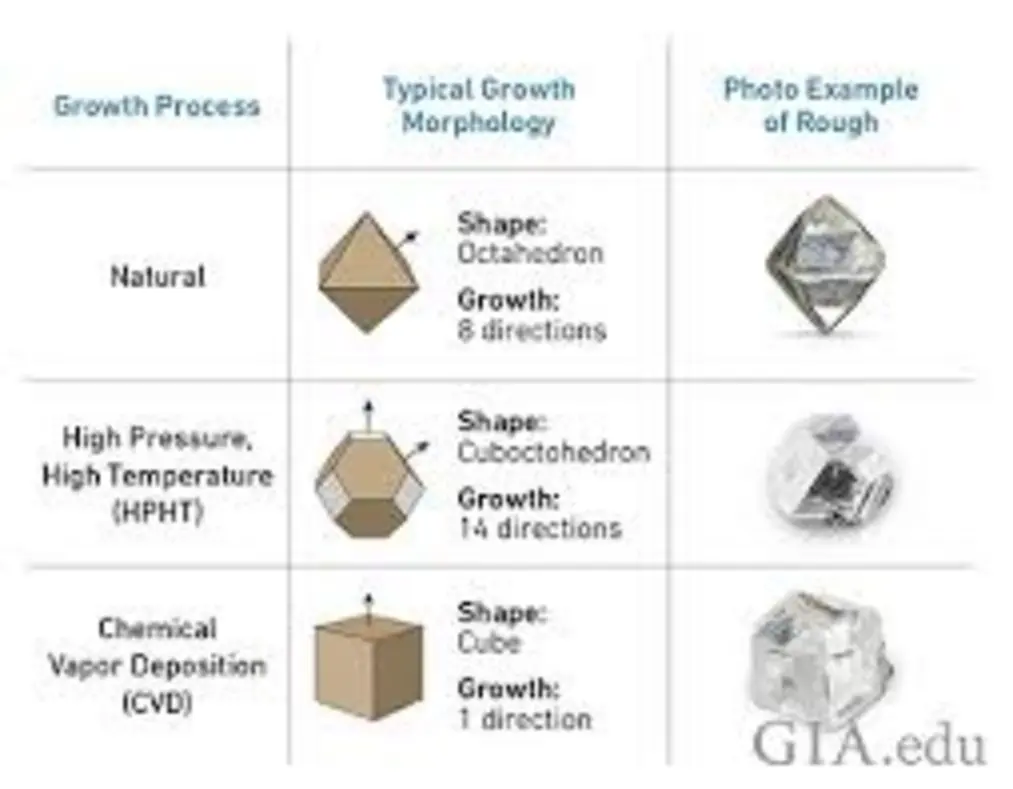
If you’ve ever wondered how a diamond can be “grown,” you’re not alone. The science behind lab diamonds is pretty amazing—and totally different from those old-school tales of gems mined from deep within the earth. Today, two methods stand out: High Pressure High Temperature (HPHT) and Chemical Vapor Deposition (CVD). Understanding these processes is essential, especially if you want to pick a stone that perfectly fits your style and your values.
HPHT Diamonds: Mimicking Nature under Extreme Conditions
Imagine recreating the fierce forces beneath Earth’s surface—except this time, it’s in a high-tech lab. That’s HPHT in a nutshell. Here’s what happens:
- Process: Technicians mimic the conditions found in the Earth’s mantle, cranking up the pressure (about 60,000 atmospheres!) and heat (over 1500°C). A small diamond “seed” is placed inside, and crystal formation begins.
- Result: HPHT tends to create diamonds with robust molecular structures. Because the technique can be tweaked, it also excels at producing diamonds in vivid colors (think fancy yellow or blue)—something natural processes almost never deliver in large quantities.
CVD Diamonds: Science at the Atomic Level
CVD is straight-up futuristic. Instead of brute-force pressure and heat, this method grows diamonds layer by layer:
- Process: Place a diamond seed in a vacuum chamber coursing with carbon-rich gas. Then, hit the gas with microwaves, causing the molecules to break apart. Pure carbon attaches to the seed below, slowly building up the diamond atom by atom.
- Result: CVD is incredibly precise. The gems that result are often ultra-pure, with fewer inclusions or “imperfections” than HPHT diamonds. Experts love these for near-perfect colorless stones, and industries are even using them for electronics and quantum computing applications.
Key Impacts on Quality & Certification
- Type IIA Purity: If you geek out on materials science (or just want the purest gem possible), Type IIA is where it’s at—these diamonds contain almost no nitrogen. Less than 2% of natural diamonds hit this grade, but many lab grown stones, especially those from CVD, make it routine.
- Inclusions & Color: HPHT gems might have traces of metal from the process, while CVD stones sometimes sport linear growth marks visible only under magnification. These quirks aren’t always visible but can be handy for gemologists checking authenticity.
Real-World Application
Big jewelry brands use these processes to set themselves apart. For example, some highlight their advanced CVD labs to showcase purity—and their commitment to minimizing environmental impact. Others lean into the color saturation of HPHT for those bespoke, eye-catching pieces.
Curious how it all works behind the scenes? Picture diamond scientists in lab coats, computer screens glowing, adjusting conditions down to the tiniest detail—sometimes it feels more like a Netflix sci-fi series than a jewelry production line!
Lab Grown vs Natural Diamond Comparison
Lab grown or natural? If you’ve ever been caught in a debate about authenticity or investment value at brunch (hey, it happens!), you know it’s not as simple as it sounds. So, let’s clear up the confusion once and for all.
Chemical & Physical Properties: Twins at the Atomic Level
- No Differences, Really: Imagine peering down to the atomic structure. Surprise—lab diamonds and mined diamonds are both pure carbon, arranged in a neat cubic lattice. In fact, unless you’re wielding powerful spectroscopic gadgets, you’ll never tell them apart by sight.
- Gem Lab Reality: Even seasoned jewelers admit, “Without the right equipment, you’re guessing.”
Rarity & Symbolism: A Story Older Than Time (and Now, Tech)
- Natural Diamonds: These stones were forged billions of years ago, often deep within Earth. Their rarity (especially in larger carat weights or fancy colors) drives big price tags and that mythic “forever” narrative.
- Lab Diamonds: They’re born in weeks—in a lab! New tech means consistency, accessibility, and, yes, a traceable history from seed to sale.
Value & Investment: Dollars and Sense
- Market Pricing: Lab diamonds cost between 40%–70% less than their natural twins. Imagine scoring a gorgeous 2-carat gem for just half the price!
- Resale Value: Here’s the catch—natural diamonds have generations of perceived value and can hold their price better over time, especially top-grade or historical stones.
- Fancy Colors: Want an intense pink or flawless yellow? Good luck finding it naturally. Labs, however, can produce spectacular hues, reliably certified for collectors, avant-garde designers, or anyone craving vibrant rarity.
Certification & Grading: Spot the Difference
- Trusted Labs: Leading organizations like IGI, GIA, and GCAL now issue full reports for both lab and mined diamonds. Each certificate documents origin, quality (the 4Cs), and any enhancements.
- Transparency Matters: Always check for notations such as “lab grown,” “HPHT-grown,” or “CVD-grown”—this is your window into the stone’s journey.
Case Study: The Engagement Ring Dilemma
Anna, a fintech entrepreneur, wanted a ring for her proposal—something stunning, sustainable, and easy to verify. She compared two identical-looking gems: one natural, one lab grown. With her budget, the lab diamond gave her double the carat size and a certification she could instantly share with family via email—talk about tech-savvy romance!
Quotes from Industry Experts:
“With today’s technology, lab-grown diamonds are indistinguishable from natural diamonds without highly specialized equipment. The biggest differences are their eco footprint and price.”
— Dr. Sally Morrison, Director of PR, Natural Diamond Council
Pop Culture Moment
Remember that TikTok viral challenge where users zoomed in on jewelry with magnifying glasses? Most couldn’t tell a lab diamond from a mined one—even repo experts admitted defeat!
Lab Grown Diamond 4Cs Infographic
Ask any gemologist: the 4Cs—Carat, Color, Clarity, Cut—are your roadmap through diamond quality. But lab grown diamonds tweak the map, making luxury accessible and predictable.
Carat: Bigger Is Now Affordable
- Controlled Growth: You’re not limited by nature’s randomness. Lab diamonds can be grown to exact sizes—buying a “statement piece” just got easier.
- Budget Flexibility: Go ahead, dream big! That 2-carat ring or dazzling pendant is now within reach for many who couldn’t swing it before.
Color: From Near-Colorless to Vibrant Hues
- Lab Advantages: CVD is king for colorless (“D” to “J” grades), while HPHT thrives at flashy fancy colors. Any enhancement is always crystal clear on your certificate.
- Trend Alert: Soft pinks and icy blues are now a staple in engagement rings—Instagram loves them.
Clarity: Fewer Flaws (Especially in CVD Diamonds)
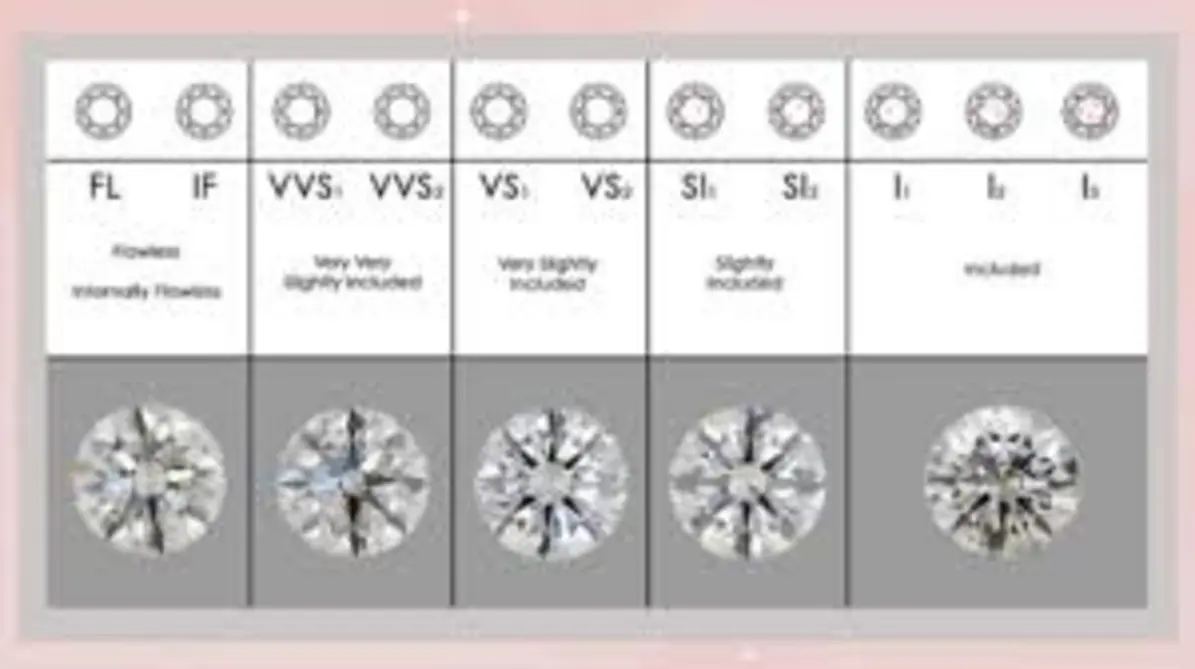
- Minimal Inclusions: Lab grown diamonds tend to show fewer “naturally occurring” inclusions. HPHT stones may have microscopic metallic particles, but many come out with ultra-high clarity—think VVS (Very, Very Slightly Included) or even IF (Internally Flawless).
- Showpiece Stones: Many modern jewelers tout these grades for headline styles.
Cut: Precision Is Power
- Machine-Grown Symmetry: Lab diamonds are designed for optimal cut right from the start. That means more stones hit “Ideal” or “Excellent” grades for light performance—aka sparkle!
- Beauty Meets Utility: Ever noticed how some lab diamond jewelry shimmers like it was made for a Hollywood red carpet? It’s not luck; it’s engineering.
Actionable Buyer Intelligence: Never buy blind—always look for a full GIA, IGI, or GCAL certification. That ensures what you see is what you get, with transparency built into every step.
Pro Tip: Always purchase stones with full certification from GIA, IGI, or GCAL for transparency and assurance in grading accuracy.
Further Reading:
Explore parallel worlds of authentication and tech verification with our article Watch more, and discover how digital trust crosses over into luxury shopping.
Lab Diamond Benefits and Ethical Impact
Let’s get personal for a second—isn’t it cool to know your gorgeous jewelry does more than just look pretty? Today’s younger buyers (Gen Z and Millennials, we see you!) are obsessed with social responsibility and eco-friendly sourcing. Here’s how lab diamonds score high marks.
Environmental Advantages: A Lighter Footprint
- Minimal Land Disturbance: Forget giant mining pits—lab diamonds don’t require explosives or digging up new ground.
- Lower Carbon Footprint: Especially with solar- and wind-powered facilities, CVD and modern HPHT processes keep environmental impact minimal.
- Water Use: On average, creating one carat in the lab needs just 18 gallons of water, while mined diamonds guzzle over 126 gallons per carat. That’s a savings even Greta Thunberg would cheer!
Statistical Spotlight
According to a 2024 Bain & Company report, lab diamond production generates up to 70% less carbon emissions per carat compared to conventional mining. Brands are leveraging this data to court eco-conscious buyers in both digital and real-life spaces.
Ethical Sourcing: Say Goodbye to Conflict
- Conflict-Free Guarantee: Every step of the lab diamond process is tightly controlled. No risk of supporting conflict regions or questionable labor.
- Supply Chain Traceability: Some labs use blockchain or micro-laser inscriptions to track each stone’s life—think of it as your jewelry’s digital passport.
Social Responsibility: Protecting People and Communities
- Worker Safety: Laboratory working conditions are decades ahead of most raw gemstone mining environments.
- Community Impact: Nobody’s lands get bulldozed and no populations are displaced—lab diamonds stay drama-free.
RJC Certification: If ethics are at the top of your wish list, look for stones produced under Responsible Jewellery Council protocols. That badge signals a brand committed to transparency and sustainability.
Trend Alert
In 2023, dozens of luxury brands adopted “Ethically Made” marketing campaigns featuring lab grown stones—using videos of clean labs and happy technicians instead of the dusty mines of old. These ads racked up millions of likes on TikTok and Instagram, proof that the message resonates.
Did you know? The U.S. Federal Trade Commission officially defines lab grown stones as “real diamonds”—a scientific and ethical victory for technology-driven luxury.
Transparency & Ethical Investment
All these points combine to give lab diamonds a new reputation: the clever, conscious choice for anyone who cares about their impact and wants a story behind their sparkle.
Lab Grown Diamond Engagement Ring Trends
Remember when classic solitaires ruled the engagement scene? Times are changing—lab grown diamonds are rewriting the style book for 2025, making bold, custom, and emotionally resonant designs all the rage.
Personalization & Customization: Your Style, Unleashed
- Affordable Larger Stones: Because of lower cost, you can opt for a bigger center diamond without draining your savings. It’s not just about the “bling”—it’s about creative, unique expression.
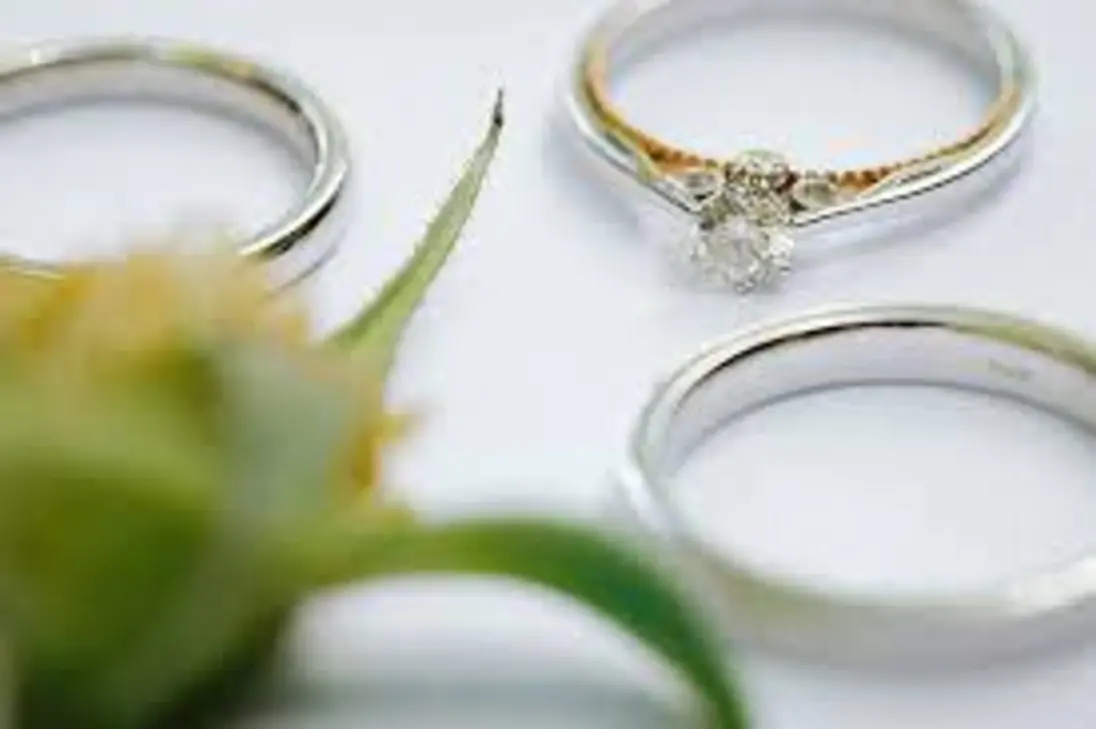
- Stackable Rings: Mix-and-match bands with multiple stones make for Instagrammable combos and personal expression. Layered looks aren’t just for clothes anymore!
Designer Spotlight
Brands like VRAI and Clean Origin offer full virtual ring studios online—try on different settings, mixes, and match combos, all in real time. You design it, they make it—it’s like playing “Sims,” but you get the jewelry IRL.
Color & Cut Creativity: From Classic to Ultra-Modern
- Fancy Colors Are Trending: Thanks to lab tech, pink, blue, and yellow are suddenly easy to find. Big names are predicting pastel engagement rings to surge in 2025.
- Vintage Cuts Return: Cushion, Asscher, and old mine cuts are back—and machine-perfect symmetry means these shapes look even better than antique originals.
Tech-Enhanced Shopping: AR and Crypto in the Jewelry World
- Virtual Try-On Apps: Augmented reality lets you see how that ring looks on your actual hand. No more guessing in store—just swipe, tap, and decide from home.
- Digital Certificates: Lost your paperwork? No way. Lab diamonds often come with sharable digital certifications, handy for insurance and social sharing.
Styling for the Modern Era: Diversity Is In
- Gender-Neutral Styles: Many 2025 engagement collections break old stereotypes, offering rings for every identity and orientation.
- Ethical Statement Pieces: Buyers flaunt diamonds as proof of their values—from eco badges to transparency guarantees.
Retail Inspiration & Shopping Guides
- Top Online Players: Try MiaDonna, Brilliant Earth, or James Allen for massive, certified selections, side-by-side price comparisons, and customization.
- Brick-and-Mortar Innovators: From NYC pop-ups to London boutiques, hands-on labs let you experience jewelry design from start to finish—often right in the city center.
Real-Life Inspiration
Sophie, a well-known TikTok jewelry reviewer, built her stack entirely from lab diamonds—each chosen for both sparkle and its eco-friendly pedigree. Her videos have kickstarted challenges for followers to design their own “ethical engagement looks.”
Buyer Education & Decision Guidance: The intersection of style and sustainability means choosing a lab diamond is about so much more than just bling.
Lab Diamond Buyer’s Checklist & Shopping Guide
Worried you’ll get overwhelmed with choices, jargon, and certification reports? Don’t sweat—here’s a simple playbook for making a smart, confident purchase.
Smart Steps Before You Buy
- Do Your Homework: Dive into lab diamond production methods, certification processes, and the meaning behind the 4Cs—no shortcuts here!
- Check for Transparency: Scrutinize brands and their certifications. Look for Responsible Jewellery Council protocols and always demand detailed grading reports.
- Insist on Guarantees: Clear return and upgrade policies are a must. A solid satisfaction guarantee gives peace of mind.
- Use Digital Tools: Online comparison engines let you sort by carat, clarity, cut, and (yes) price.
- Prioritize Eco & Ethical Impact: Consider your stone’s full lifecycle—from lab to finger.
Key Questions to Ask Your Jeweler
- Is this diamond HPHT or CVD? (Understanding origin helps you evaluate quality and value)
- Can I see the original certification report? (Transparency always wins)
- Is the stone laser-inscribed for identification? (Extra security and peace of mind)
- What’s your policy for upgrades or returns? (Flexibility matters in fast-changing jewelry markets)
Interactive Scenario
Imagine shopping with a close friend at a trendy jewelry boutique. You both pull up your phones, scan QR codes, and compare certificates, ethical badges, and price. Suddenly, picking the perfect stone is less about luck and more about savvy tech skills!
Lab Grown Diamonds: The Future of Luxury
There’s no denying it: lab grown diamonds are changing everything we thought we knew about luxury jewelry. From cutting-edge scientific methods like HPHT and CVD, to top-tier certifications, transparent sourcing, and creative design trends—they’re leading a revolution.
Why does it matter? It’s about more than sparkle. For today’s buyers, luxury is personal, ethical, and data-driven. You want your jewelry to shine, but you also want it to reflect your values: ecology, social good, and the freedom to customize.
The industry watches as conscious consumers drive demand for responsible design—and influence the way tradition meets technology. Every lab diamond you choose is a step toward a jewelry market where beauty comes with brains and heart.
Ready to see how tech is transforming all corners of shopping? Check out our feature Watch more for tips on e-commerce security and smarter buying.
Let’s Keep the Conversation Going
Still curious about the future of jewelry, tech, and ethical shopping? Here are some ways to stay connected for all the latest guides, reviews, and industry insights:
👉 Our Website: https://worldoftech.space/
👉 Our YouTube Channel: https://www.youtube.com/@world_tech79
👉 Our Facebook Fanpage: https://www.facebook.com/profile.php?id=61576258059614
👉 Our X (Twitter): https://x.com/worldoftech79
Whether you’re a fashion trailblazer, a tech enthusiast, or an everyday dreamer searching for the perfect ring, lab grown diamonds prove that what sparkles on your finger can truly mirror your values. The only question left: What story will your diamond tell?