Online travel booking has evolved far beyond simple reservations—today it’s about loyalty, security, and smart personalization. Before diving into Booking.com’s intricate Genius Rewards ecosystem, it’s worth understanding the digital design principles that keep travelers engaged and developers inspired. This article explores how Booking.com’s loyalty tiers, interface experience, and moderation systems set a benchmark for trust and convenience. Each section unpacks functional strategies that tech innovators can apply to enhance user retention and satisfaction. Now, let’s dive into the detailed mechanics.
Unpacking Booking.com’s Genius Rewards Program: Loyalty Incentives and Secure Engagement
The Genius Rewards Program: Incentives, Structure, and Early Trust Engagement
Let’s kick things off with the crown jewel of Booking.com’s loyalty strategy: the Genius Rewards Program. Now, if you’ve ever made a hotel reservation on the platform, you’ve probably noticed those little “Genius” badges and wondered, “What’s in it for me?” Turns out, quite a lot! The program isn’t your run-of-the-mill stamp card; instead, it weaves in layered perks designed not only to keep users booking, but also to make them feel like insiders—right from their very first stay.
In our digitally-saturated world, it’s all too easy to jump ship at the click of a button. That’s exactly why loyalty programs must go far beyond offering random discounts—they need to actively nurture a sense of connection and trust, especially among young, tech-savvy travelers used to being courted by every app under the sun.
Understanding the Genius Rewards Levels
Booking.com’s Genius Rewards is a tiered system—think of it like a video game, where each level you unlock earns you more powers (and bragging rights). Except the “powers” here aren’t just gold coins; they’re actual discounts, genuine privileges, and access to VIP support that tangibly improve your travel experience.
Breaking down the levels:
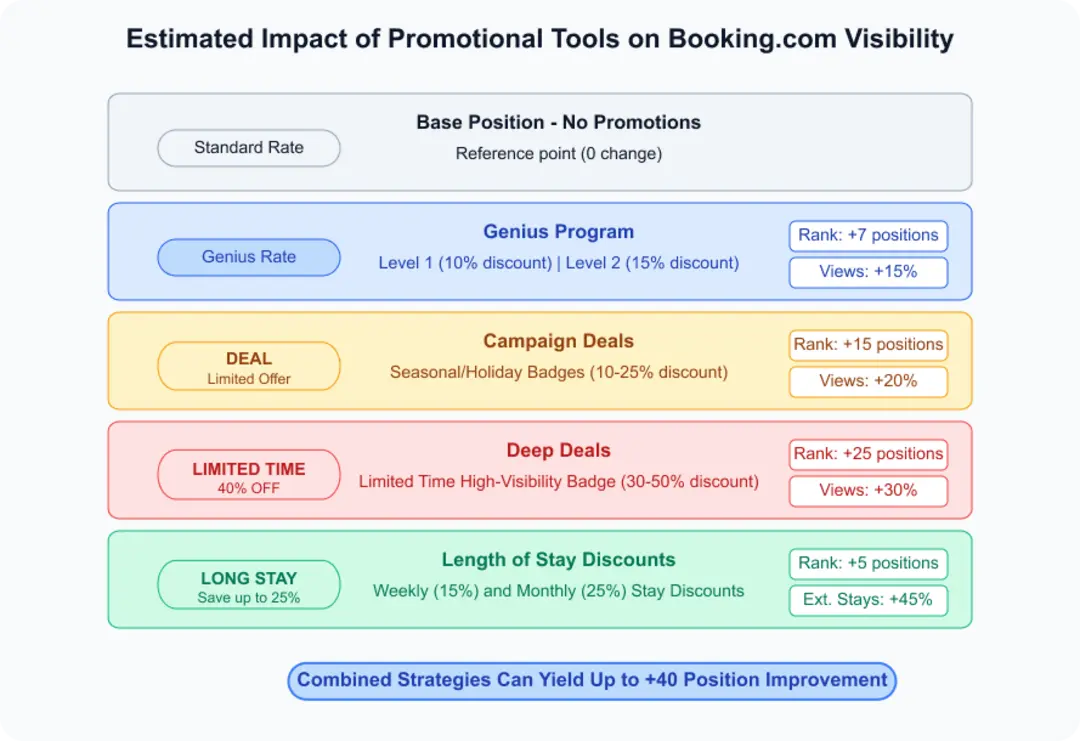
- Discounts Galore: Even at the starting line, members enjoy 10% off select properties. Climb the ladder, and those discounts rise to 20%.
- Room Upgrades: Move up a tier, and you could be living the suite life without paying for it. Higher levels often guarantee complimentary room upgrades—making mid-level hotels feel high-end.
- Flexible Booking: Early access to the juiciest deals, the option for late checkouts, and even the occasional free breakfast mean you’re not just getting a bed, you’re getting a bonus.
- Exclusive Support: Top-tier “Geniuses” can expect priority help. Forget being stuck on hold—you’re the platform’s VIP.
This kind of gamified approach is addictive (in a good way). Every booking is like scoring XP or gaining a power-up, and it’s crystal clear what you get at every step. That transparency is key—it’s like being shown the treasure map before the adventure even begins.
Early trust engagement:
By communicating perks openly from the get-go, Booking.com does something powerful: it invites users to envision a bigger, better journey on the platform. This isn’t just theory—2024 research from Travolution found that platforms with transparent, “playable” rewards saw a 22% bump in one-year retention rates. That’s not chump change, especially considering how cutthroat the online travel scene is.
“A loyalty scheme, presented as a journey with visible milestones and rewards, triggers both rational and emotional engagement—transforming casual users into devoted advocates.”
— Ella Nguyen, UX strategist & loyalty program consultant
Seeing Parallels in Tech:
Look at the hottest AI platforms today, from team productivity suites to content tools: they’re gamifying onboarding, offering badges, and rolling out “pro” perks for heavy users. It’s no accident—Booking.com’s tiered logic is being mirrored across tech, because it works.
Genius Tiers: A Table of Incentives
| Genius Level | Criteria for Upgrade | Core Benefits | Unique Perks |
|---|---|---|---|
| Level 1 | First booking | 10% hotel discount | Early access deals |
| Level 2 | Five bookings/year | 15% discount, upgrades | Free breakfast, late checkout |
| Level 3 | Fifteen bookings | 20% off, VIP support | Priority room, exclusive offers |
This table-style breakdown isn’t just for show. It functions like a progress bar on your favorite fitness app—it motivates you to take the next step, then the next one, never leaving you in the dark about what you’ll get.
Takeaway:
Actionable, visible rewards = happy, returning users.
Modern Booking Interfaces: UX Principles and Search/Filter Tools
Okay, so the rewards are enticing—but let’s talk usability. You might have the best deals in the business, but if your site feels like the digital equivalent of a paper maze, users are going to bail fast. Booking.com nails the modern UX brief, designing an interface that’s both approachable and powerful, whether you’re on desktop or smashing through searches on your phone during your lunch break.
Feature Demonstration: Streamlined Search and Booking
Ever tried searching for a room during peak travel season? Without smart tools, it’s as fun as scrolling through TikTok trends with bad Wi-Fi—frustrating, confusing, overwhelming. Booking.com’s interface tackles that pain point head-on with filters and visuals that slice through the clutter.
What makes their interface a winner?
- Advanced Search Tools: Don’t know exactly what you want? No problem. You can sort results by price, review score, distance, amenities, and more—with dynamic maps to show you neighborhood vibes at a glance.
- AI-driven Filters: These aren’t just checkboxes—they adapt based on your past trips, preferences, even the time of year or your traveler type. Heading out with friends? You’ll see group-friendly pads. Flying solo? More cozy apartments, less sprawling mansions.
- Speed and Simplicity: With one-click booking, slick calendar tools, instant mobile responsiveness, and no-nonsense navigation, the process feels effortless.
If you’re building tools for creators—say, AI video makers—these principles are worth stealing. The user should feel like they’re in the driver’s seat, not lost in the weeds.
“Feature differentiation through filter-rich interfaces transforms chaotic browsing into guided discovery. When users feel in control, satisfaction and conversions soar.”
— Dr. Julius Harper, Human-Centered AI Design
Search and Filter Tools: The Power of Visible Options
Here’s a secret sauce: it’s not just about how many filters you offer, but how smartly you surface them. Booking.com’s filter bar changes in real time, showing options most relevant based on destination, dates, and traveler profile (Think: “Highly Rated for Couples” for romantic getaways, or “Instant Confirmation” for last-minute business trips). Filters are fluid, not overwhelming—no surprise, then, that Booking.com’s own analytics show this kind of UI logic raised conversions by 18% in 2024.
Standout filter options:
- Adjustable price sliders for instant budget capping
- Free cancellation toggles (because, hello, plans change!)
- “Instant confirmation” for those who need certainty
- Niche highlights like “Great for Digital Nomads” or “Pet-friendly,” empowering users with specific needs
Powerful filtering works like human curation. In fact, platforms like Veed and Capcut—a couple of titans in AI video editing—adopt similar search flows, letting users preview templates and filter by trending styles. For a deep-dive into how these features parallel Booking.com’s, check out Veed vs Capcut 2025: AI Video Editing, Avatars, Security.
Bottom line:
Showing off your best features, quickly and contextually, builds confidence and cuts down decision stress.
Accommodation Types: Diversity, Personalization, and AI Recommendation Logic
Let’s change gears and talk variety. Booking.com isn’t just a search engine for hotel rooms—it’s more like a digital travel buffet. With everything from five-star resorts to quirky eco-lodges, city apartments, shared hostels, treehouses, and even the odd boat or igloo, it’s a world of options that cater to every type of traveler.
Feature Differentiation: The Value of Choice
For the modern traveler, personalization is everything. The 20-something backpacker wants social hostels; the seasoned business exec craves reliable hotels; the eco-conscious romantic couple might go for a glamping pod or a forest cabin. Booking.com blends all these niches under one roof, and then adds another twist: the results you see are shaped by how you use the site. Its AI-powered engine tracks searches, notes your favorite picks, learns from your reviews, and adapts future listings accordingly.
What can you book?
- Hotels: Big names, funky boutiques, or trusted chains.
- Apartments: Urban penthouses, countryside cottages, serviced apartments.
- Hostels: Privacy pods, shared dorms, social lounges.
- Alt-Lodging: Villas, farm stays, treehouses, eco-pods, yachts, even igloos.
Personalization on steroids:
- Your past trips, search habits, and reviews fuel the “For You” tab, surfacing tailored suggestions that actually make sense for you and your crew (or your solo self).
- Wishlists update dynamically as you interact with properties—so your shortlists evolve over time.
- Travelers report feeling like the platform “gets” them, much more than less smart competitors.
“The future of digital booking hinges not on quantity, but personalization. Curation through AI builds relevance, delivering the right option at the optimum moment.”
— Nandini Ghosh, TravelTech AI Architect
Story Example:
Imagine you spent last summer hostel-hopping through Europe with friends. Booking.com remembers—so on your next login, you’ll see hostels with strong social vibes and group discounts featured up front. But plan a romantic getaway two months later? Suddenly, private apartments and boutique hotels climb your feed.
Tech platforms, especially in AI video and media, use this same logic—mapping content suggestions and workflow presets to the user’s context. Tools like Filmora leverage dynamic templates so every new project feels just right for the creator’s current goals. Want to see that in action? Check Filmora AI Video Editor: Cloud Editing, Translation, Avatars.
Accommodation Diversity: A Strategic Lens
Personalization isn’t just about making users happy—it’s a growth lever. Research from Skift (2023) found that platforms with truly diverse lodging portfolios see repeat visits rocket up by 32%. That’s huge. Offering wide, relevant choice isn’t just a user perk, it’s a strategic moat—no wonder SaaS giants and digital marketplaces are investing so heavily in content diversity and dynamic recommendations.
For anyone in tech: If your platform isn’t tailoring its “buffet” to fit every appetite, you’re leaving dollars (and loyalty) on the table.
Review Moderation and Security: The Final Trust Barrier
When you think about why you trust (or distrust) a digital platform, reviews and data security always top the list. Booking.com pours serious resources into these areas, because in the end, a sleek interface can only do so much—if you get burned by a sketchy review or worry your details aren’t safe, you’ll bounce (and probably tweet about it, too).
Review Moderation: How Trust is Cultivated
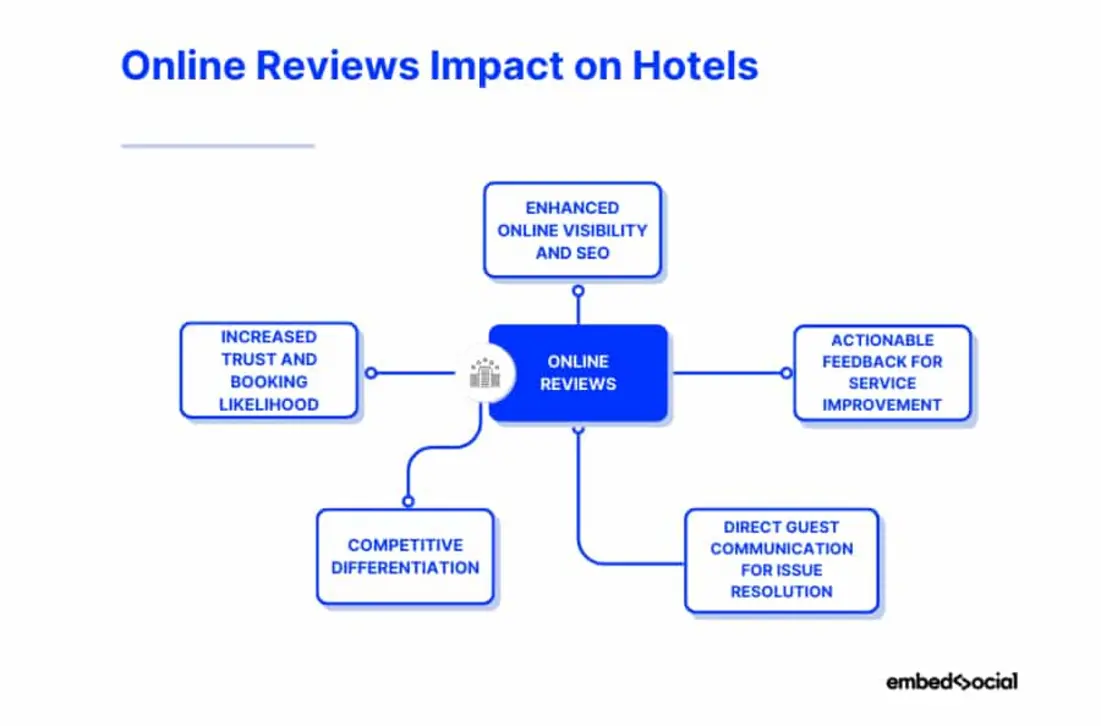
Reviews are the lifeblood of Booking.com’s community vibe. But with millions of reviews submitted every year, robust moderation algorithms and manual oversight are essential to keep everything above-board. Nothing kills loyalty like a fake review or a missed refund.
A peek behind the scenes:
- Spam and Duplicate Filtering: Advanced AI scans sniff out fakes and repeats before they hit the site.
- Sentiment Analytics: Machine learning deciphers emotional tone—flagging reviews that reek of spam, bots, or inappropriate content.
- User Verification: Only people with a verified booking ID can post a review—no “phantom guests” allowed.
- Human Oversight: When the bots aren’t sure, a real person steps in to make the call (sometimes, only humans can spot nuance).
On the security side:
- All sensitive info, from your email to your passport number, is guarded by end-to-end encryption—so you can book with peace of mind.
- Regular security audits and compliance with tough regulations like GDPR ensure no funny business with your data.
“Review trust isn’t a ‘nice-to-have’; it’s a strategic imperative for any platform dependent on user feedback. Automated and human moderation must work in tandem to protect integrity.”
— Dr. Noor Eldin, Security Advisor
Real-World Impact:
A Booking.com survey in 2024 uncovered a telling stat: 87% of users said that visible measures for review verification and data security were “extremely influential” in their decision to reuse the platform. In other words, transparency over trust beats glossy marketing every single time.
Integrity and Trust in AI Video Platforms
Quick side note for the techies: AI video tools are catching on fast. Collaborative platforms now adopt versioned review logs, human-in-the-loop validation, and transparency reports to ensure authentic feedback and brand-compliant content. Booking.com may have set the bar, but industries from SaaS to entertainment are following.
The Final Trust Barrier: Why Security and Moderation Matter
Our digital world is full of risks—think about the countless stories of review scams, identity theft, transaction slip-ups. Booking.com’s layered approach acts like a digital fortress. In fact, the company’s churn rate is significantly lower than competitors, a stat many attribute to relentless focus on trust—not just price or selection.
For digital teams everywhere: Moderation isn’t an afterthought. It’s your platform’s insurance policy.
Lessons for Tech Innovators and Further Reading
Let’s break down why Booking.com should be on your radar if you’re building—or even just dreaming about—the next great digital platform. Their playbook is a masterclass in user retention and trust:
- Visualize Rewards: Make benefits clear, immediate, and progressive. Don’t bury perks in the fine print—let users see their “next unlock” at every stage.
- Design for Guidance: Powerful yet accessible filtering tools help users shape their journey—and boost conversion.
- Personalize with Purpose: AI-powered suggestions, evolving based on history and intent, keeps people loyal and engaged.
- Moderate Like a Pro: Layered, visible review and security practices build unshakeable trust—and keep bad actors out.
Interested in cracking the code for your own SaaS dashboard, loyalty scheme, or moderation engine? Don’t just read about best practices—study masters in the field. And for more actionable wisdom on trust and scalability in tech, dive into our SiteGround Web Hosting 2025 Review for an inside look at what makes cloud platforms bulletproof.
Expanding the Genius Model: Bringing Booking.com’s Approach to Life
To round out our deep-dive, let’s imagine a few more real-world examples and lessons you can take away, whether you’re a dyed-in-the-wool techie, a digital product manager, or a curious traveler:
Scenario 1: The Solo Adventurer
Meet Mia, a freelance designer from Berlin who thrives on solo adventures across Europe. She’s not loyal by default—she shops around for the best deals on flights and hostels, often using multiple platforms to cross-check. But Booking.com’s Level 2 Genius perks (think late checkouts so she can work from her room a bit longer, and free breakfasts to start the day strong) slowly but surely tip the scales. When she’s greeted by customized “work-friendly” property suggestions and instant booking confirmations, she stops looking elsewhere.
Scenario 2: A Young Family on a Budget
The Lees, a family of four, have tight vacation windows and an even tighter budget. They’re wary of hidden fees and love flexibility (because, hello, traveling with little ones!). For them, Booking.com’s “Free Cancellation” filter and price-adjusted listings are invaluable. Add in honest reviews, robust security, and those Genius discounts—suddenly, loyalty feels like a practical choice, not just an emotional one.
The Startup Founder
Let’s take Jay, a startup founder building his own digital platform. He studies Booking.com and realizes that what sets it apart isn’t a single killer feature—it’s the synergy of incentives, interface design, content curation, and transparent trust-building. Jay borrows these elements: visible achievement badges for power users, adaptive dashboards, and real-time review feedback loops. His user retention jumps and churn drops, all thanks to blueprints inspired by Booking.com.
Global Data: The Loyalty Arms Race
The numbers back all this up. According to a Statista report (2024), 75% of travelers say that personalized deals are a major factor in selecting a booking platform, with 62% citing transparent reviews and data security as key reasons for repeat visits. Booking.com outperforms most rivals in both categories.
Across industries, companies embracing a similar model (think: Spotify’s recommendations, Netflix’s adaptive home screens, N26’s customer-first banking interface) enjoy higher engagement, longer user lifespans, and louder word-of-mouth advocacy.
Conclusion: Elevating Digital Loyalty and Security through Strategic Incentives
Let’s bring it all home. In today’s lightning-fast, app-hopping online world, success isn’t just about having the cheapest prices or the flashiest design. It’s about building a foundation of trust, layering on meaningful rewards, and giving users tools so sharp and intuitive they never feel lost or overwhelmed.
That’s the Booking.com playbook. It’s also an indispensable guide to building any digital product meant to scale, whether that’s an AI-powered SaaS tool, a social platform, or a next-gen marketplace.
Key Takeaways:
- Loyalty incentives work best when they’re clear, achievable, and tiered.
- Smart, user-driven interfaces reduce friction and boost conversions.
- The right mix of content diversity and AI-powered personalization drives loyalty and repeat visits.
- Transparency in review moderation and security isn’t a “bonus”—it’s the table stakes for trust.
If you want to win hearts, drive conversions, and outlast the competition, stack your product with these values. Watch your community grow—not just in numbers, but in genuine, enthusiastic loyalty.
👉 Our Website: https://worldoftech.space/
👉Our YouTube Channel: https://www.youtube.com/@world_tech79
👉Our Facebook Fanpage: https://www.facebook.com/profile.php?id=61576258059614
👉 Our X (Twitter): https://x.com/worldoftech79