
Before diving into the details, it’s important to understand the context of this piece. In 2025, travel experiences are being redefined by innovation and community-driven alternatives. This article explores how pet sitting is transforming from a niche concept into a mainstream trend, shaking up traditional accommodations and loyalty programs. From budget savings to cultural immersion, these next-generation travel models create opportunities for authentic interactions while maintaining comfort and trust. The sections below delve into comparisons, technology, and emotional impact, giving readers insight into this evolving travel movement.
Pet Sitting vs. Hotel Loyalty in 2025: Financial Rewards, Trust, and Travel Innovation
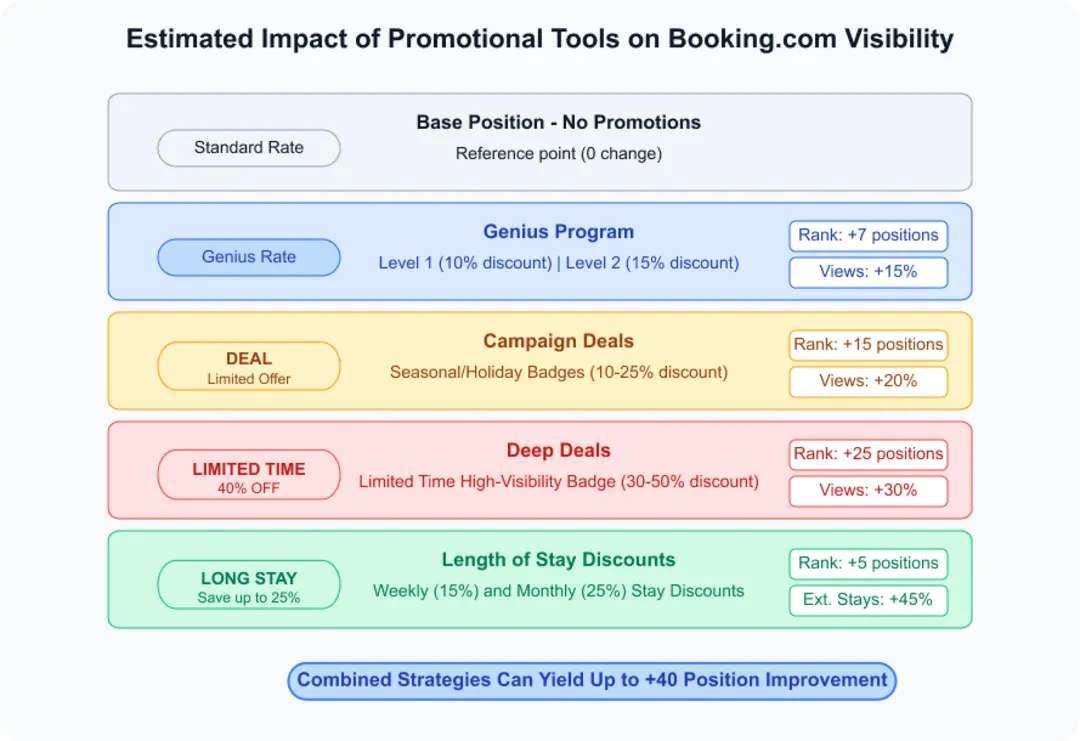
Genius Rewards Program Comparison: Pet Sitting vs. Hotels
Think back—how many times have you found yourself hunched over a laptop late at night, squeezing every possible perk from a hotel rewards program like Booking.com’s Genius? Maybe you’ve earned a complimentary breakfast or wrangled 15% off your booking, and hey, that’s not nothing! For years, these programs have been the gold standard for frequent travelers wanting a dash of VIP treatment without breaking the bank.
But 2025 looks different. Pet sitting platforms have exploded in popularity, offering not just a free place to stay, but so much more: rich local experience, a furry companion to greet you in the morning, and a sense of real belonging. Let’s put these two approaches head-to-head under a bright spotlight.
Key Comparison Points
- Cost Savings: Genius Rewards hands out up to 15% off select rooms to “loyal” members. But what about staying somewhere for free? Pet sitting platforms—like TrustedHousesitters, Nomador, and MindMyHouse—pair travelers with homeowners who need someone to care for their pets, offering free accommodation in return. Imagine shaving $100 a night off your travel bill, every night.
- Reward Flexibility: Hotel points often tie you to one brand, one app, and one style of travel. With pet sitting, your “currency” is trust and references—you can take your glowing reputation anywhere in the world and apply for dream stays from Paris to Patagonia.
- Exclusive Perks: Free breakfast or late checkout is nice, but compare that to living in an actual home with a fully stocked kitchen, laundry, a garden, and maybe even a car to borrow. Oh, and let’s not forget: a loyal dog, chill cat, or chatty parrot as your housemate.
- Financial Impact Over Time: Crunch the numbers—a frequent traveler might save $100–$500 yearly in hotel perks. A dedicated pet sitter can easily pocket $5,000+ in free accommodation, freeing up cash for flights, food, and adventure.
Genius Rewards and Pet Sitting Table
| Benefit | Genius Hotel Loyalty | Pet Sitting Platforms |
|---|---|---|
| Room Discounts | 10–15% | N/A (0—100% saved) |
| Free Accommodation | ❌ | ✅ |
| Member Perks (Food, Priority) | Limited | Full Kitchen, Car use |
| Social/Emotional Value | Minimal | High (pets, local hosts) |
| Adventure Factor | Low (predictable) | High (varied homes) |
Key Insight: Ditching the “loyalty” mindset for something more community-driven can pay off big—pet sitting offers a world of value beyond just financial savings.
But wait, is hotel loyalty ever the better deal? Sure, for business road-warriors who need predictability, daily maid service, and lightning-fast check-in, hotels still have an edge. Still, for anyone with flexibility, curiosity, and a soft spot for animals, the math—and the life experience—leans hard toward pet sitting.
Let’s zoom in on the booking process next.
Booking Interface Comparison: Traditional vs. Pet Sitting
Think about your last hotel booking experience. Probably a smooth, no-nonsense process: pick a city, filter by price and stars, tap, done. Travel sites like Booking.com or Expedia have turned this into a science. But does this streamlined buying process actually serve the needs of today’s independent, adventure-seeking traveler?
Now enter pet sitting apps—a bit different, more personal, and believe it or not, often just as simple after you’ve set up your “traveler profile.”
Booking Experience: Visual & Workflow Differences
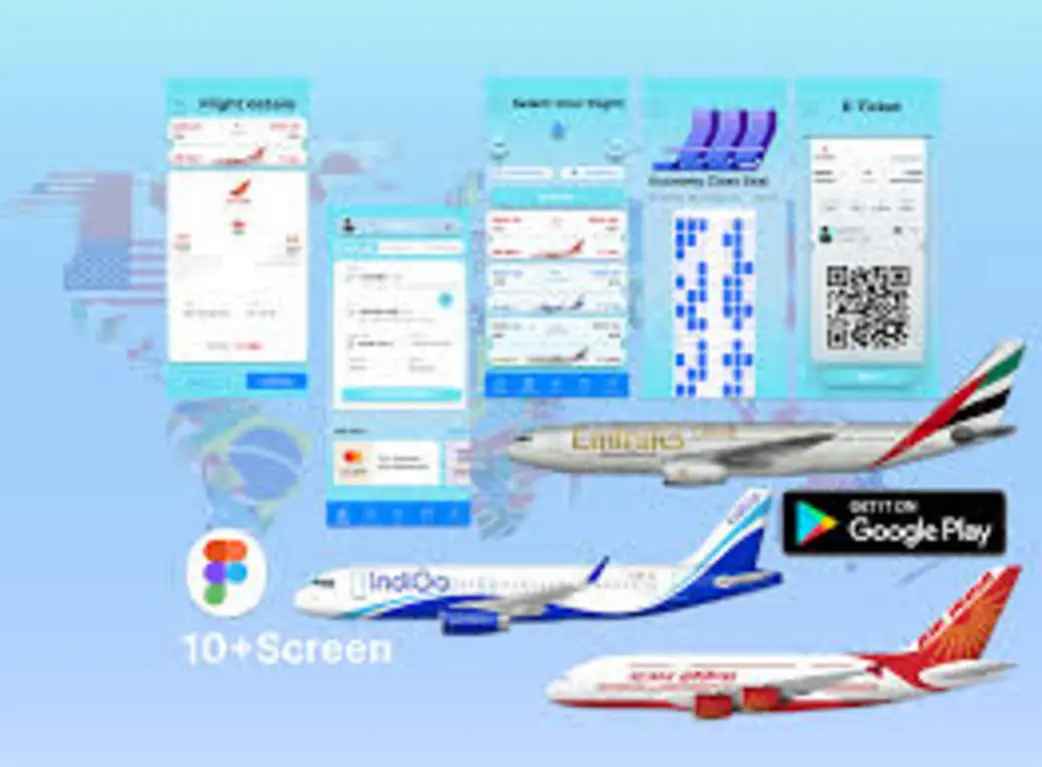
Traditional Booking Steps:
- Enter your destination and dates.
- Scroll through a sea of hotels. Filter by price, location, or “pet-friendly” tags.
- Sift through cancellation policies and fine print.
- Pay, lock in your stay, and maybe earn some loyalty points.
- Add extras: breakfast, parking, flights, etc.
- Check in/out per hotel schedule.
Pet Sitting Booking via App/Web:
- Craft a profile: Upload a picture, verify your identity, collect some references (from friends, previous hosts, or that wonderful dog you walked once).
- Search for available sits—by city, region, pet type, or dates.
- Dive into listings: read what’s needed, from feeding routines to local quirks.
- Message homeowners directly or apply with a personalized pitch.
- Once approved, coordinate details; often, all you pay is an annual platform fee (as low as $20–$99).
- You’re set: fly out, meet your four-legged “roommate,” and settle in—no nightly charges.
Financial and Functional Highlights
- Payment Model: Traditional hotels bill you per night (plus taxes and “resort fees”—everyone’s favorite surprise). With pet sitting, you fork out a flat yearly membership and enjoy unlimited “sits” around the globe. Whether you travel two weekends or twelve months a year, the cost stays almost the same.
- Flexibility: Pet sitting is as flexible as life itself. One month you could be in an urban loft in Berlin; the next, a vineyard villa in Tuscany.
- Pet-Friendly by Default: Hunting for a hotel that allows your cat or Labrador? Exhausting. With pet sitting, you must love animals—because they’re the reason you’re there.
Value to Reader: Want a travel routine that feels less like buying and more like discovering? Pet sitting changes the game.
On top of that, today’s apps are smart—think instant messaging, video calls, and even built-in maps, so it feels less like a transaction and more like prepping for a fun exchange student program. Check out our review on Watch more if you’re curious about how tech is automating trust and reviews.
Accommodation Types: Hotels vs. Unique Pet Sitting Homestays
Let’s be honest. When was the last time you gushed to your friends about a standard hotel room? Hotel stays feel safe but generic by design: you’re rarely surprised, rarely inspired, and rarely invited to live like a local.
Pet sitting, by contrast, flips travel on its head. You don’t just visit; you move in—and with each house, you get a new story.
Deciphering Your Options
Hotel Platform Choices
- Standard issue: from budget basics to five-star suites, always with a whiff of industrial laundry.
- Serviced apartments (great for business, less fun for culture).
- The occasional B&B for a more local vibe.
- Pet-friendly? Sometimes, but at a price (think extra cleaning fees).
Pet Sitting: The Homestay Revolution
- Country cottages, urban apartments, eco-friendly cabins, dreamy villas—anywhere people and pets live.
- Real kitchens, comfy lounges, gardens, private balconies.
- Your new housemates range from lovable mutts and chatty cats to rescue turtles, exotic birds, or, yes, llamas (it’s happened!).
- Instead of being near a “tourist hub,” you shop the local bakery, walk dogs in neighborhood parks, and become a temporary local.
- Typical sits can last from a long weekend to multiple months.
Why This Matters in 2025
- Cultural Enrichment: Fancy really blending in? With pet sitting, you’re part of the local rhythms—grocery shopping, dog walks, and doorstep conversations.
- Value per Experience: Imagine sleeping in a $500/night luxury villa in Bali and paying…nothing—except a few dog walks and cuddles.
- Sustainability: Eco-credits for reusing existing homes and supporting communities, not just fueling giant hotel chains.
Travel memories aren’t just about places—they’re about moments: watching the sunrise from a stranger’s terrace, making breakfast with vegetables from a neighbor’s garden, curling up with a purring cat after a long day.
Let’s not forget: homestays promote sustainable travel by minimizing new construction, reducing resource waste, and encouraging real sharing economies.