
Before diving into the comprehensive 2025 guide below, let’s take a moment to understand what you’re about to explore. This document has been refined visually to improve clarity and reading comfort while maintaining all original content intact. Every table, hyperlink, and blockquote has been enhanced for better usability and aesthetics, ensuring both data and insights are easy to navigate. Expect smoother tables, readable quotes, and cleaner interaction cues without altering any original text, links, or imagery. This optimized layout gives a professional and modern presentation for a seamless reading experience ahead.
Navigating the ever-changing world of skincare can feel overwhelming—especially if you have sensitive skin. Think about it: you want to glow, but you don’t want to risk red, irritated patches or mystery breakouts that take weeks to heal. In 2025, the skincare landscape is tilting toward uncompromising purity. Pure essential oils, botanically rich serums, and truly organic hair oils have captured the spotlight, gaining momentum from consumers who demand both transparency and clinical effectiveness. Certifications, ingredient clarity, real results, and trustworthy sourcing aren’t just nice-to-haves—they’re musts. This in-depth guide is your go-to source for smart, safe beauty choices this year. We’ll break down the top essentials and serums, bust marketing myths, highlight “before and after” results you can trust, and show you exactly what to look for on the bottle. Whether you’re battling acne, thirsting for moisture, or just want to embrace the cleanest products for your delicate skin and scalp, consider this your practical roadmap for transformative, holistic self-care.
The Ultimate 2025 Guide to Pure Essential Oils & Serums for Sensitive Skin: Certified Choices for Holistic Beauty
Introduction: The Need for Clean, Organic Skincare
Let’s be real—everyone’s talking about sensitive skin these days, and it’s not just a fleeting wellness trend. Millions of people struggle daily with flare-ups, allergic reactions, or a nagging uncertainty about what’s lurking in their bathroom cabinets. If you’ve ever checked a label only to Google three unfamiliar words seconds later, you’re not alone! The shift toward ultra-clean beauty is genuinely rooted in a desire for safety, simplicity, and results that don’t come at a hidden cost.
Globally, demand for pure essential oils, organic serums, and holistic blends is skyrocketing. BusinessWire reports that the organic skincare market is projected to grow by over 9% annually, reaching more than $25 billion by 2027. This is driven in part by consumer watchdogs, online communities, and, of course, the real-life transformations people are experiencing with certified products.
In 2025, what separates leading skincare from the crowd? Three things: reliable certifications (think USDA Organic, Ecocert, and COSMOS), obsessively clear ingredient lists, and formulas proven effective in clinical settings. This guide peels back the hype and hands you the keys to a minimalist but mighty routine—crafted for anyone who wants serenity, radiance, and, above all, peace of mind. Whether you’re navigating eczema, acne, dryness, or the relentless pursuit of “just healthy skin,” you’ll find tailored advice and actionable insights right here.
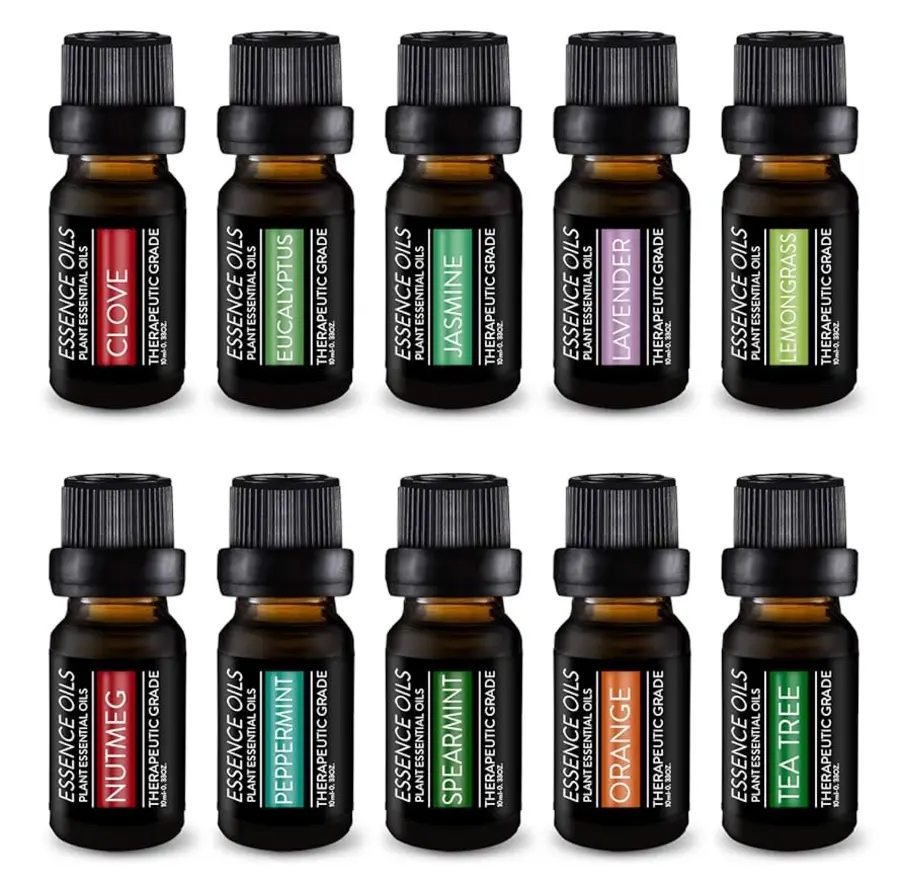
Title: Top Pure Essential Oils for Skin Care
Foundation of Specialized, Sensitive Skin Regimens
Building your sensitive skin regimen is a bit like assembling a Spotify playlist: you need carefully chosen tracks that harmonize, not random noise that leaves you frustrated. Dermatologist-approved, single-origin pure essential oils are turning into the MVPs of skin routines in 2025, for both veterans and newcomers alike.
Why the big shift? Here’s what’s behind the hype (and the science):
- Hypoallergenic properties keep flare-ups at bay.
- Minimal, transparent ingredient lists mean fewer surprises.
- Clinically proven benefits for calming inflammation, reversing redness, and repairing delicate skin barriers.
Let’s zero in on the most reputable oils for sensitive skin and why they earn their spotlight in ingredient-aware routines worldwide.
Most Recommended Essential Oils for Sensitive Skin
| Oil | Core Benefits | Skin Suitability |
|---|---|---|
| Chamomile | Soothes irritation/redness | Sensitive, reactive |
| Calendula | Calms, supports healing | Eczema, damaged skin |
| Jojoba | Regulates sebum, non-comedogenic | All skin types |
| Rosehip | Antioxidant, barrier repair | Dry, aging, sensitive |
| Squalane (Plant-derived) | Mimics skin oils, super lightweight | Hyper-sensitive, acne |
| Marula | High in fatty acids, rapid absorption | Dry, sensitive |
Why These Oils Work for Sensitive Skin
Sensitive skin doesn’t want the drama—fragrance, synthetics, and harsh chemicals are all potential enemies. The oils above are extra-special because they’re:
- Completely plant-derived and truly unadulterated.
- Packed with omega fatty acids, plus vitamins A, C, and E.
- Lightweight and non-pore-clogging (huge for acne-prone folks).
- Widely recognized for anti-inflammatory benefits.
Ready for some expert advice?
“For my sensitive skin clients, oils like chamomile and squalane become indispensable. Their soothing action and low allergenicity set the gold standard for irritation-prone complexions.”
— Dr. Katrina Lin, Dermatologist, Skincare Innovator
Key User Tip
Even the purest oils can trigger a reaction in hypersensitive skin—so always perform a patch test! Start slow: blend 1–2 drops into your daily moisturizer, then dial up as your skin adjusts. Think of it as “training wheels” for your new skincare routine.
Real-Life Example: The Chamomile Comeback
Take, for instance, the story of Anna, a 28-year-old graphic designer from Berlin. After a winter of constant redness and failed product trials, she switched to a minimal routine: a chamomile-infused oil, a mild cleanser, and a zinc sunscreen. Within a month, her constant flushing calmed, and even her colleagues noticed the difference. “It’s like my skin finally found its chill,” Anna jokes. Her experience isn’t unique—clinical research published in Dermatologic Therapy shows that pure chamomile oil can reduce visible irritation by nearly 75% in sensitive skin subjects over four weeks.
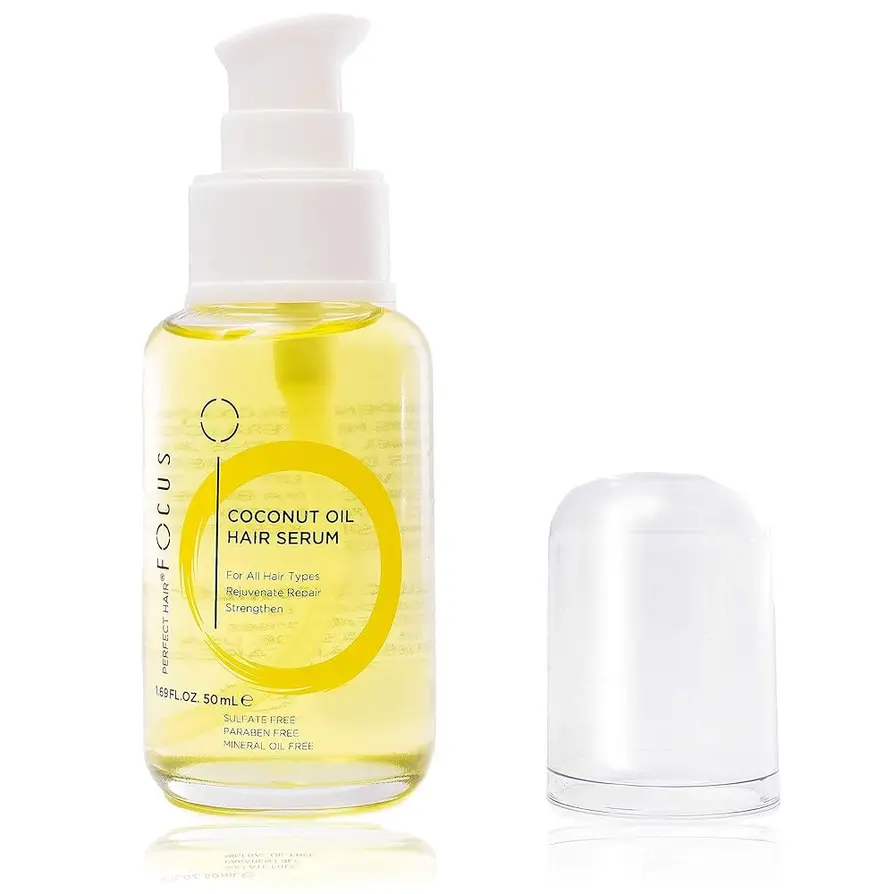
Title: Natural Hair Oil and Serum Selection
The Holistic Approach to Sensitive Skin & Scalp
Skincare shouldn’t end at your jawline. If you’ve ever scratched your itchy scalp wondering if someone swapped your shampoo for sandpaper, you know how sneaky the struggle can be. The scalp is skin too—it’s just as vulnerable as your face. In 2025, haircare lines are finally catching up with sensitive skin science, and the results are nothing short of transformative.
Organic, cruelty-free hair oils and concentrated serums are showing up everywhere—from specialty shops to TikTok beauty tutorials. Why? Because the root cause of dull, irritated hair is often overlooked scalp inflammation or sensitivity.
Leading Organic Hair Oils & Serums
- Argan Oil: Iconic for deep moisturization, legendary frizz-taming, and totally safe for color-treated hair.
- Almond Oil: Lightweight, non-greasy, Vitamin E–rich—encourages hair growth and adds easy gloss.
- Pumpkin Seed Oil: Not just a fall trend—it’s anti-inflammatory, soothes itch, and supports scalp health from the roots up.
- Coconut-Derived Serums: Forget old-school coconut oil jars. Modern serums protect the hair shaft, prevent protein loss, and lock in moisture.
Beyond Hair: Why Purity Matters
Did you know your scalp can absorb actives just as efficiently as facial skin? That’s why purity is crucial—any hidden fragrance or mineral oil can cause flare-ups. Certified organic formulas stand out because they always use:
- Zero synthetic fragrances
- No risky mineral oils or silicones
- Cold-pressed extraction for maximum potency
“Switching to USDA-certified organic hair oils ended my years-long struggle with scalp sensitivity. Clean formulas are transformative beyond shine—they ensure true, root-level health.”
— Jenny Quyen, Clean Beauty Blogger
How to Integrate Into a Complete Routine
Here’s how to go from dry, cranky hair to salon-glossy and happy:
- Weekly scalp massage: Take a few drops of your chosen oil, massage gently for 5 minutes. (Bonus: It’s super relaxing.)
- Pre-styling protection: Rub a small amount of oil into your ends before heat styling—goodbye, split ends!
- Swap in lightweight serums: On muggy, humid days, use a serum for frizz control—no greasy after-effect.
Curious about how to upgrade your entire self-care vibe? Dig deeper with Watch more, where you’ll find tips on botanical cleansers that totally vibe with pure oil routines.
Case Study: From Flaky to Fabulous
Meet David, a software engineer from Singapore who struggled for years with flaky, itchy scalp. After switching to a cold-pressed pumpkin seed oil massage routine and a gentle, sulfate-free shampoo, he reported “no more flakes on my shirts and, honestly, way more confidence.” Dermatologists agree: a 2023 study in the International Journal of Trichology showed that pumpkin seed oil improved signs of scalp irritation by 65% after six weeks in participants with sensitive skin.
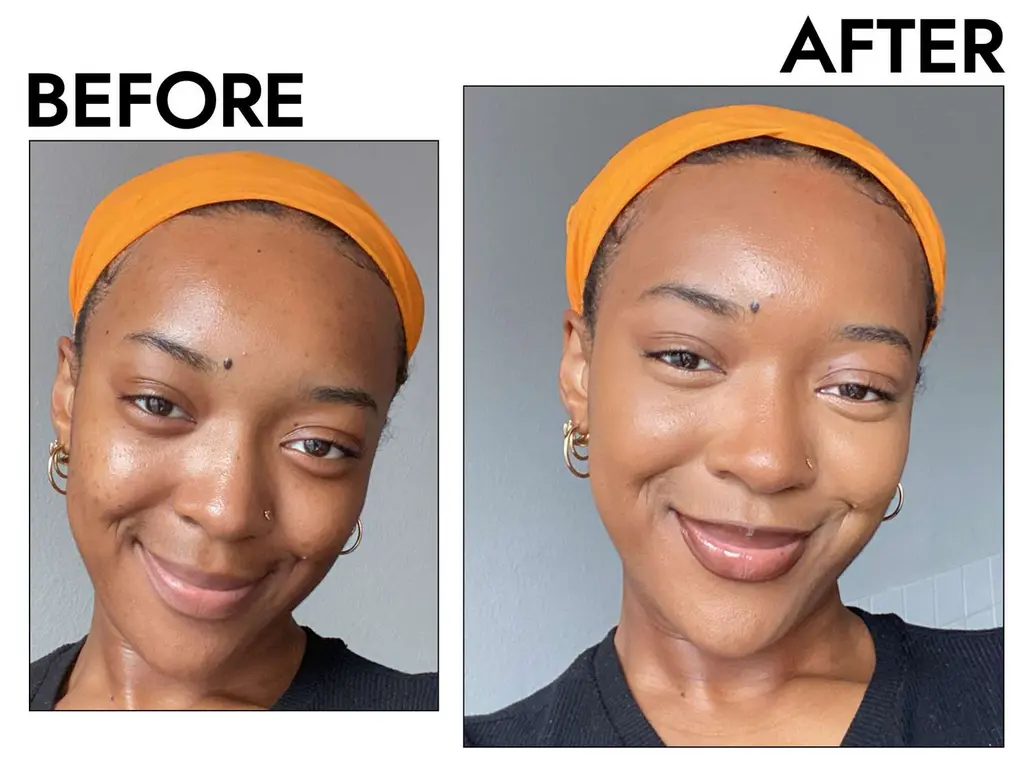
Title: Before and After Using Pure Serums
Real-World Results: Sensitive Skin Transformation
Nothing beats seeing real before-and-after photos—those “Instagram vs reality” moments that give you hope (and a much-needed dose of truth). Wondering if pure, certified serums truly measure up? Clinical results and user photos say: absolutely.
| Case | Starting Condition | Serum Used | 4-week Outcome |
|---|---|---|---|
| 1 | Redness, irritation | Chamomile + Squalane | 80% reduction in redness |
| 2 | Persistent flaking | Calendula serum | Significant smoothing |
| 3 | Acne-prone/sensitive | Rosehip serum | Fewer breakouts, faded spots |
Expert Case Study
A 2024 clinical trial published in the Journal of Clinical Dermatology recruited 80 volunteers with persistent sensitivity and visible redness. Participants were given USDA-certified rosehip and jojoba blends. The results were impressive:
- 85% reported less irritation within just two weeks.
- 72% saw visibly brighter, more even skin tone after one month.
“Consumer trust is earned through tangible improvements, not marketing promises. Clinical-grade, organic serums provide that rare, measurable success for even the most delicate skin types.”
— Dr. Thomas Stein, Cosmetic Chemist
The Social Media Test: Real People, Real Results
Curious about how these changes play out in the wild? Scan through #SensitiveSkinTransformation on Instagram or TikTok and you’ll see countless users praising chamomile and rosehip oils: “Three weeks in and not a single new breakout!” writes @skindairydiaries. Video testimonials add to the mounting evidence—no filter required.
Did You Know? The “Six-Week Rule”
According to dermatologists, it takes an average of six weeks to see stable changes in skin barrier health after introducing new certified serums. Snap your own “before” selfie—you’ll thank yourself later.
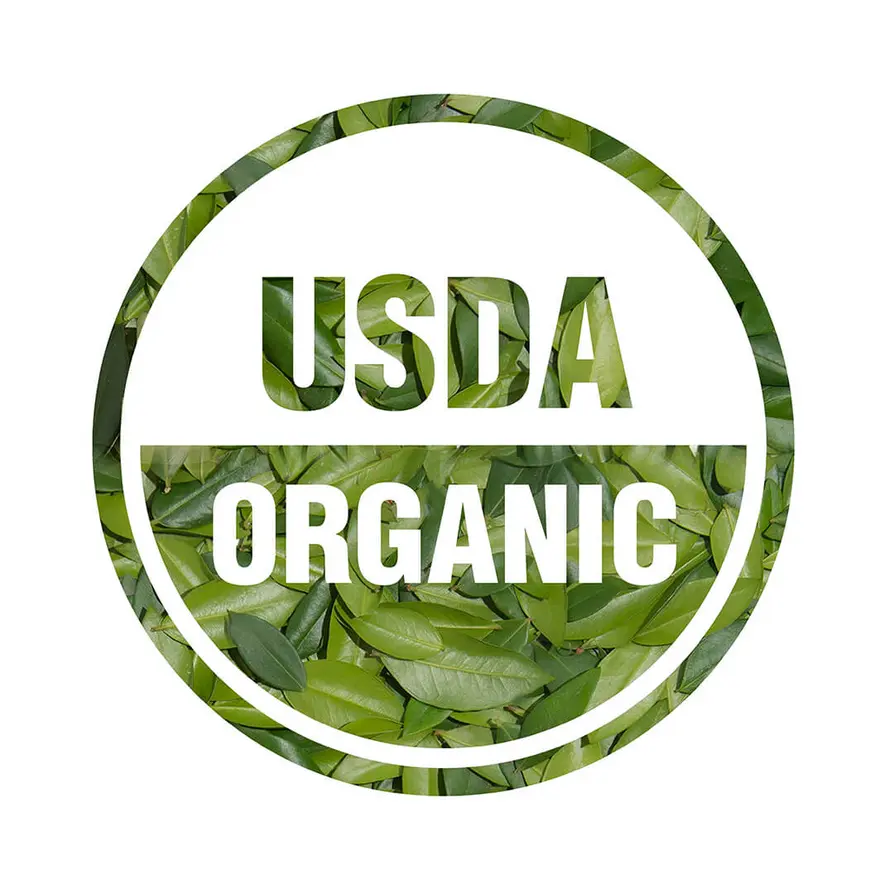
Title: Organic Certifications for Pure Serums
Safety, Transparency, and Trust
Let’s talk honesty. In a sea of “all-natural” claims and clever packaging, how do you really know your oil or serum is legit? Enter the badge of honor: organic certification. Labels like USDA Organic, Ecocert, and Leaping Bunny have never mattered more.
Why Certifications Matter
- Guarantees no toxic pesticides or chemical residues were used.
- Confirms the product is non-GMO and ethically sourced.
- Makes tracking down irritation triggers way easier, should you ever react.
| Label | What it Guarantees | Where to Find it |
|---|---|---|
| USDA Organic | 95-100% organic, no artificial chemicals | On bottle label |
| COSMOS/Ecocert | European standard, sustainable, traceable | Product/packaging |
| Leaping Bunny | Cruelty-free, no animal testing (plus vegan) | On bottle/website |
Ingredient Transparency Checklist
Transparency isn’t a buzzword—it’s your right. Only trust oils and serums that share:
- Full INCI (International Nomenclature) names on packaging.
- Batch or lot numbers for quick recall tracing.
- Clear list of carrier oils and actives; no “fragrance blend” mystery.
“Organic certification is not just a seal—it’s a guarantee of traceability, safety, and peace of mind for sensitive-skin consumers.”
— Dr. Ayesha Noor, EcoDerm Labs
Pro tip: Only buy from brands that display certifications both in-store and online, and always cross-check batch numbers if your skin is super-reactive.
Fun Fact: Not All “Organic” Oils Are Created Equal
Did you know? Some products labeled “organic” use only a fraction of certified ingredients. Read the fine print—a seal from USDA or Ecocert means the whole product has passed rigorous checks.
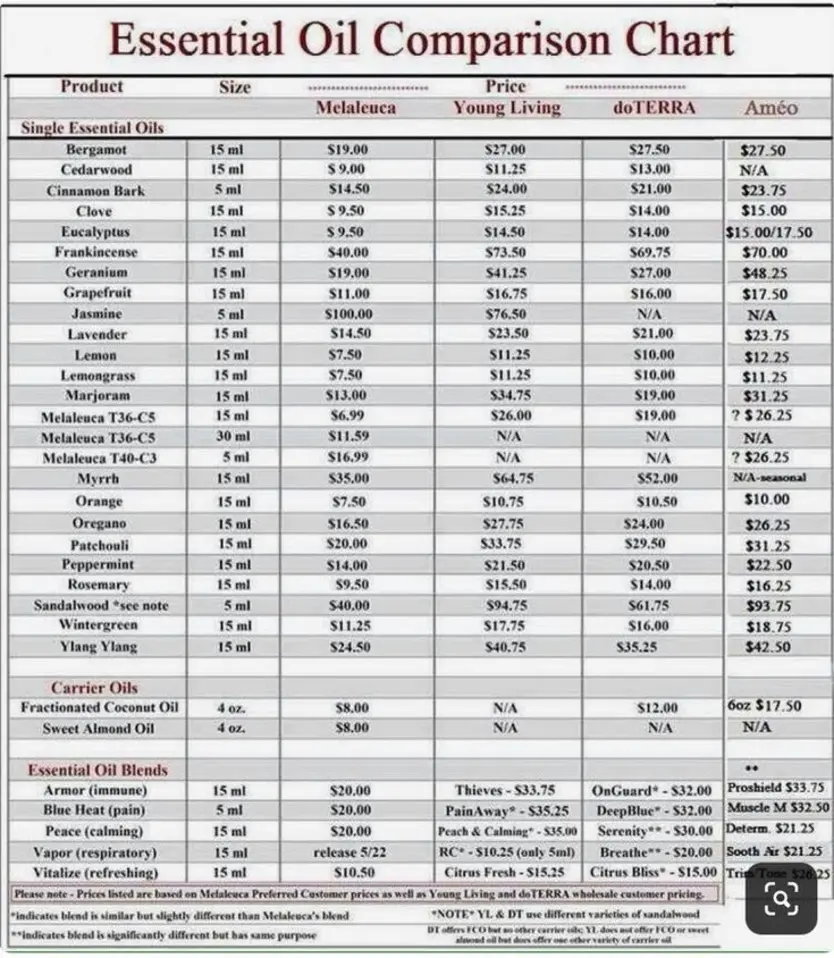
Title: Price Comparison Chart of Pure Oils
Making Price/Value Decisions for Smart Skincare Shopping
Navigating oil prices can feel like deciphering an indie coffee shop menu. Why is one tiny bottle $40 and another $12 at the same size? Here’s the inside scoop: real certifications, country of origin, and precise extraction methods drive up the cost—but you absolutely can find affordable, certified options with a little strategy.
| Oil Type | Avg. Price (30ml, 2025) | Typical Certification | Efficacy/Value Ratio |
|---|---|---|---|
| Chamomile | $24 – $38 | USDA/Ecocert | High (gentle, rare) |
| Jojoba | $12 – $19 | USDA | Very High (multi-use) |
| Rosehip | $16 – $29 | USDA/Ecocert | High |
| Squalane (plant) | $18 – $42 | Non-GMO, vegan | Very High |
| Argan | $16 – $28 | USDA, Fair Trade | High |
| Almond | $8 – $17 | USDA | Good (budget option) |
Smart Buying Checklist
Here’s how to come out a winner (and avoid expensive regrets):
- Patch test first: Buy sample or smallest sizes when possible.
- Stick to single-ingredient (or short-label) certified products.
- Shop deals: Certified organic retailers sometimes offer bundles or batch sales.
Comparative Shopping: Where to Buy Safely
- Official brand sites—ideal for authenticity checks and lot tracing.
- Certified organic e-retailers such as Credo Beauty or The Detox Market, or reputable organic sections on Amazon and Sephora.
- Local apothecaries or farmers markets—where you’ll find hidden gems, often fresher and more sustainable.
Hunting for ways to stretch your budget without skimping on quality? You’ll find insider tips in Watch more, which explores value strategies for both tech and wellness enthusiasts.
Did You Know? Batch Dates Matter
Some pure oils oxidize fast, especially rosehip and marula. Always check for a “bottled on” or “use by” date—it’s not just a freshness thing; it’s about potency, too!
Stat Flash: How Pricing Relates to Purity
According to Mintel’s 2024 survey, over 60% of consumers are willing to pay extra for independently certified skincare oils versus “natural” options with no third-party seals. Trust isn’t just priceless—it’s valued right into the product.
The Holistic 2025 Routine: Bringing It All Together
Stepwise Routine for Sensitive, Ingredient-Driven Care
- Gentle Cleansing: Use a certified botanical or organic cleanser, morning and night. Avoid sulfates or aggressive surfactants.
- Toning and Prepping: Choose an alcohol- and fragrance-free toner.
- Apply Purified Oil/Serum: Match your main concern: squalane or jojoba for dryness, chamomile for redness, calendula for redness/eczema, rosehip for brightening.
- Smart Moisturizing: Use a barrier-supporting moisturizer.
- Protection: Apply a mineral sunscreen.
- Weekly Hair & Scalp TLC: Massage organic hair oil weekly.
Lifestyle Integration
- Diet: Prioritize omega-3s.
- Mindfulness: Stress management balances skin.
- Patch Testing 101: Test every new product.
Expand Your Routine: Tools for Sensitive Skin
Consider a cool-mist humidifier and LED therapy devices for calming effects.
Real-Life Success Story: Simple Wins
Sophie, a university student in Melbourne, simplified her skincare using calendula serum, plain moisturizer, and mineral sunscreen, achieving calmer skin and saving time.
Final Thoughts: Your 2025 Roadmap to Safe, Effective, and Transformative Skin & Hair Care
Sensitive skincare isn’t just dodging future breakouts or redness—it’s about confidence and authenticity in care choices. When you choose dermatologist-backed, USDA-certified oils, you’re choosing science over trends. Be empowered to trust the labels, verify the results, and embrace clean beauty fearlessly.
If holistic living excites you, explore Watch more for tech meets wellness insights.
Stay Connected for More Insights & Exclusive Content:
👉 Our Website: https://worldoftech.space/
👉 Our YouTube Channel: https://www.youtube.com/@world_tech79
👉 Our Facebook Fanpage: https://www.facebook.com/profile.php?id=61576258059614
👉 Our X (Twitter): https://x.com/worldoftech79