
Before we dive into the main sections of this article on SEO automation, it’s important to appreciate how interconnected all aspects of digital optimization have become. Modern SEO isn’t just about link building or keyword stuffing—it has evolved into a data-driven ecosystem that combines art, analytics, and automation. From dashboards that unify multi-campaign control to AI systems that generate adaptive content, every component now feeds into a cycle of measurable performance. This article explores precisely how these systems interact to make strategies scalable, measurable, and sustainable for digital success.
If you’re even a little bit involved in the digital space, you know one thing’s true—search engine ranking isn’t just a metric. It’s the lifeblood of online visibility, a make-or-break factor for brands, businesses, and just about anyone trying to get noticed (and make money) on the web. But as search algorithms get smarter and the competition heats up, it’s not enough to hope your content will “just rank.” That’s where SEO automation comes in: smart dashboards, intuitive workflows, and AI-driven creative tools are transforming how we manage and scale our online presence. This article dives deep into the real world of SEO automation platforms—from detailed campaign management and linking strategies to advanced metrics and AI-powered features. We’ll break down each component, share real examples, and explore what sets today’s best tools apart. So, if you want to boost your domain authority, supercharge your backlink profile, or unlock the full power of AI in your content strategy—read on. You’ll understand not just the technology, but how to wield it for lasting, meaningful results.
Unlocking SEO Automation Dashboards: Strategies, Metrics & AI-Powered Link Building
Understanding the SEO Automation Dashboard: Your Command Center
Let’s be honest—managing SEO “by hand” can quickly turn into chaos. Multiple campaigns, tons of keywords, backlink strategies that overlap and contradict, all those reports to run… It gets pretty overwhelming, right? That’s why SEO automation dashboards were invented. They’re not just pretty user interfaces; they’re powerful command centers that put you in control.
Picture this: you log in and, in seconds, you’re seeing everything—campaign statuses, keyword rankings, backlinks added (or lost), and so much more. It’s like finally cleaning a messy desk and realizing you can actually work productively.
Money Robot Submitter Dashboard Screenshot
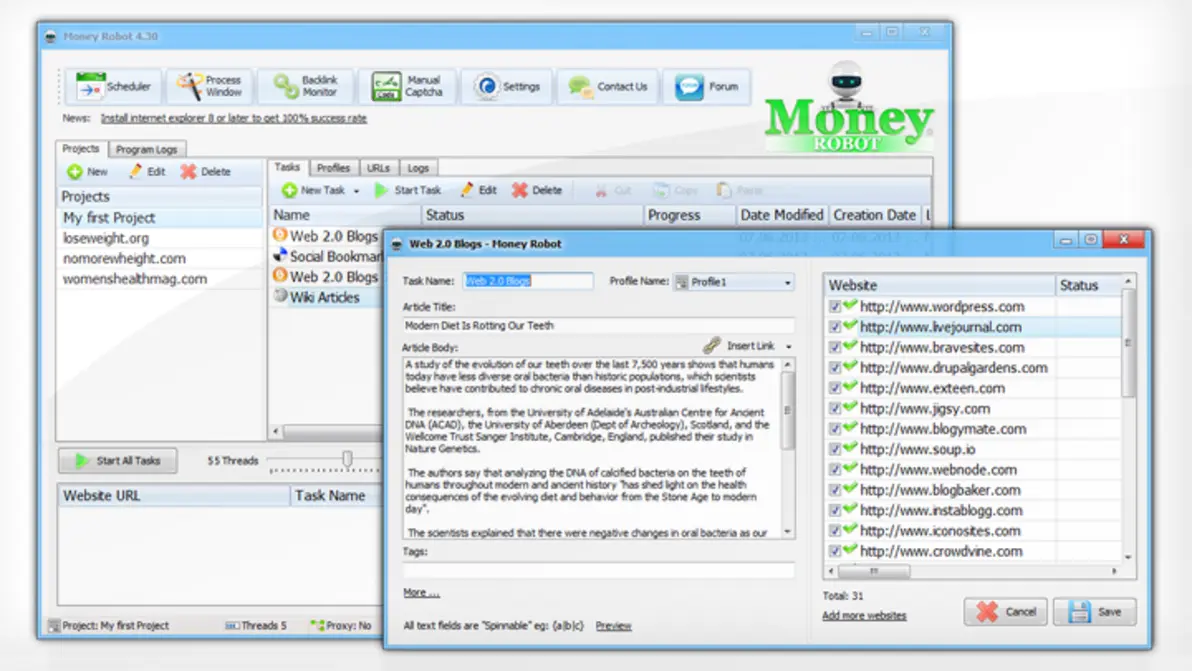
What can these dashboards do for you? Here are the core advantages:
- Real-time Campaign Status: Watch the needle move as your campaigns progress. Track keyword rankings and see your backlink profile bloom, all in live updates.
- Organizational Efficiency: Assign tasks, delegate responsibilities, and hold your team accountable. No more wondering who’s done what or chasing down progress reports.
- Integrated Analytics: With key metrics displayed side-by-side—from keyword gains to domain authority boosts—actionable decisions come faster, and with greater confidence.
So, why does dashboard design matter?
Well, think of Money Robot’s dashboard. It isn’t just about looks; it’s about clarity. Seeing the entire workflow, plus real analytics, instantly saves time and helps you avoid costly manual errors. Imagine pivoting mid-campaign because you see things slipping, instead of waiting for trouble to brew. That’s the kind of power a good dashboard puts in your hands.
Visualizing Automation: Workflow Maps & Their Strategic Value
Ever tried to follow an SEO campaign without a map? It’s like blindfolding yourself and hoping you’ll build a castle from bricks scattered across the room. But successful SEO automation thrives on workflow clarity. That’s where automation workflow visualizations come in—they lay out every step so you know exactly what’s happening, who’s doing what, and where you can optimize.
Automated Link Building Workflow Illustration
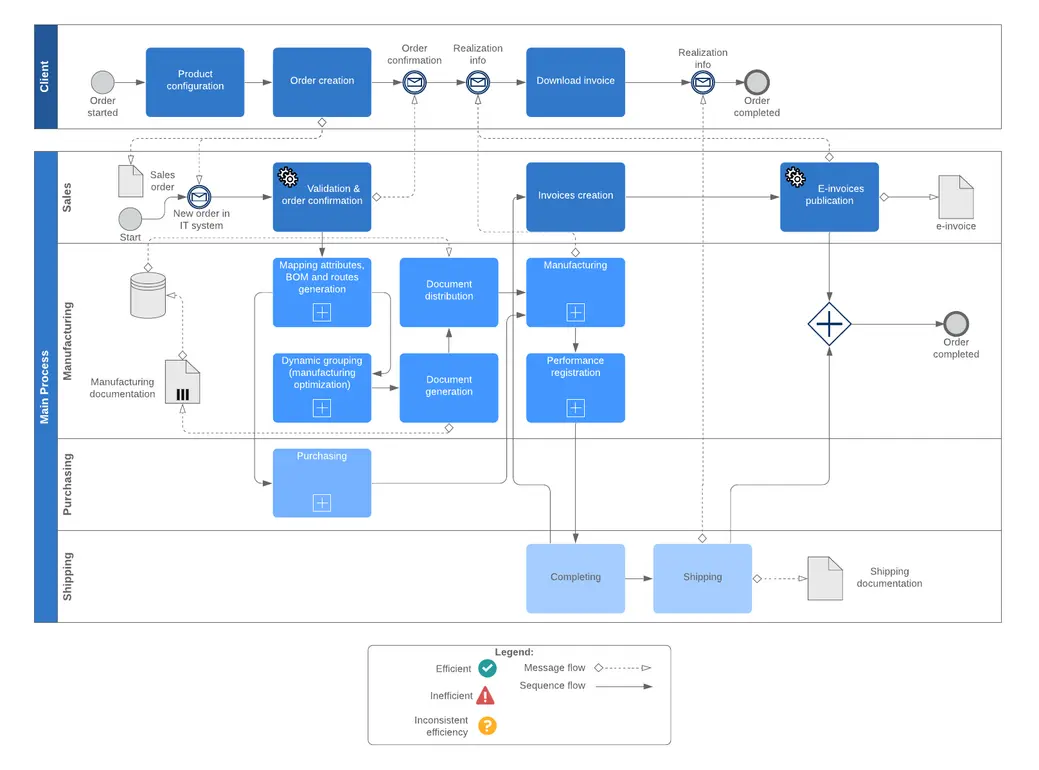
Here’s a classic automated SEO workflow. Let’s break it down:
- Campaign Creation
This step is your foundation. Choose target keywords—think strategically! Select preferred domains and nail down your link-building goals. - Content Generation
AI, human writers, or a hybrid approach: whip up relevant articles, engaging blog posts, or share-worthy web content tailored to your audience. - Account Registration & Network Setup
Automate profile creation across Web 2.0 platforms, article directories, and social sites. Yes, bots can fill in the tedious stuff! - Link Placement & Verification
Automatically submit your content, embedded with contextual backlinks. The dashboard tracks their status—so you know what’s live or pending. - Indexing & Reporting
Call in the search engine bots for crawl requests, then generate real-time ROI reports. See which links are indexed, which are driving traffic, and where your efforts are making an impact.
Why visualize the workflow?
Because efficiency starts with clarity. You delegate better, track deadlines more accurately, and—critically—pinpoint problems before they cost you rankings. Every top-tier SEO team in the world uses some form of process visualization to stay sharp.
Take it from leading agencies: one workflow improvement can slice weeks off your campaign rollout, helping you catch competitive gaps the moment they appear.
Measuring What Matters: Campaign Performance Metrics & Comparative Insights
“Automate everything!” Sure, that’s tempting. But unless you measure, compare, and optimize, automation is just a faster way to make the same mistakes over and over. In serious SEO, tracking performance step-by-step—and knowing how your metrics stack up versus industry benchmarks—is absolutely crucial.
SEO Campaign Performance Comparison Table
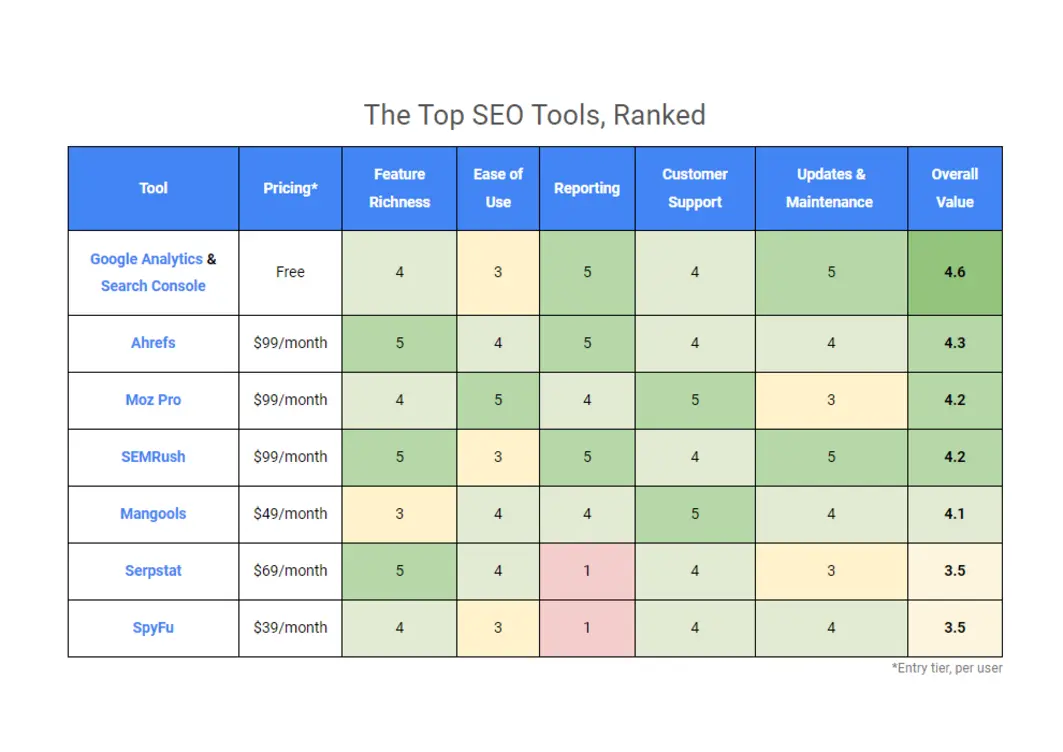
Here are the performance metrics you need to watch:
- Backlink Acquisition Speed: How quickly are you landing new backlinks? Speed matters, but so does the quality and diversity.
- Domain Authority Improvements: Are your efforts lifting overall site authority, or just building hollow links?
- Keyword Ranking Growth: See which keywords climb the SERPs and identify which need more work—or a new strategy.
- Content Indexation Rates: Search engines don’t index everything. Measure how efficiently your content gets indexed after submission.
- Competitor Gap Analysis: Where are you pulling ahead? Where do you need to catch up?
Let’s make this real:
A European digital agency switched to Money Robot, and here’s what happened: manual labor hours dropped by 67% in just one month. Even better, their clients’ average keyword rankings jumped by 38% over 90 days. The bottom line? A well-optimized automation dashboard doesn’t just save money—it crushes manual processes in measurable results.
Expert Insight:
“The most successful SEO teams are those who treat their dashboards not just as passive monitors, but as dynamic control rooms. Constant performance review and agile adjustment are essential.”—SEO Strategist, WorldOfTech.Space.
Curious about how speed and uptime play into your automation platform’s success? Check out SiteGround’s deep dive: Watch more (dofollow).
Expanding Your Reach: Backlink Platform Diversity for Modern SEO
Raise your hand if you’ve ever obsessed over getting that one backlink from a high-authority site. Now, imagine scaling that energy across hundreds—even thousands—of different platforms automatically. That’s the real superpower behind advanced SEO automation tools.
These platforms aren’t just link factories. They offer truly diverse “ecosystems” for your backlink profile—reducing algorithmic risk and building robust, organic reputation.
Supported Platforms for Backlink Generation
Let’s spotlight the big categories:
- Web 2.0 Blogs: Platforms like Medium, WordPress, and Blogger unleash creative freedom and community-driven engagement.
- Social Bookmarks: Reddit, Digg, and StumbleUpon bring your content to audiences crisscrossing the web, mining fresh traffic sources.
- Wiki Sites: Want credibility and informational reach? Wikidot and Wikispaces deliver.
- Article Directories: Ezine and ArticleBase offer content syndication opportunities—great for scaling up.
- Q&A Sites: Platforms like Quora and Stack Exchange tap into real audience-driven search intent.
Why does this crazy diversity matter?
- Scalability: With automation, you can touch thousands of sites in just days.
- Authority Building: Backlinks from reputable domains supercharge your trust factor.
- Naturalization: Diversified link profiles feel organic to search engines—that means less risk of penalties for “spammy” patterns.
Expanded Example—Making Diversity Work:
Let’s say you’re launching a new SaaS product. Instead of relying on a flat link-building strategy, you automate submissions to Medium posts, get listed on Wiki sites, add provocative answers on Quora, and seed your guides in article directories. The result? You’ve got a backlink profile that looks like natural buzz, making you a search engine favorite.
AI-Powered Link Building: Content Generation at Scale
Forget the days of endlessly rewriting articles and hoping the content passes the “uniqueness” sniff test. These days, AI content generation and advanced spinning are the ultimate accelerators. They bring together the best of both worlds—speed, variety, and quality.
AI-Powered Content Spinner Feature Demo
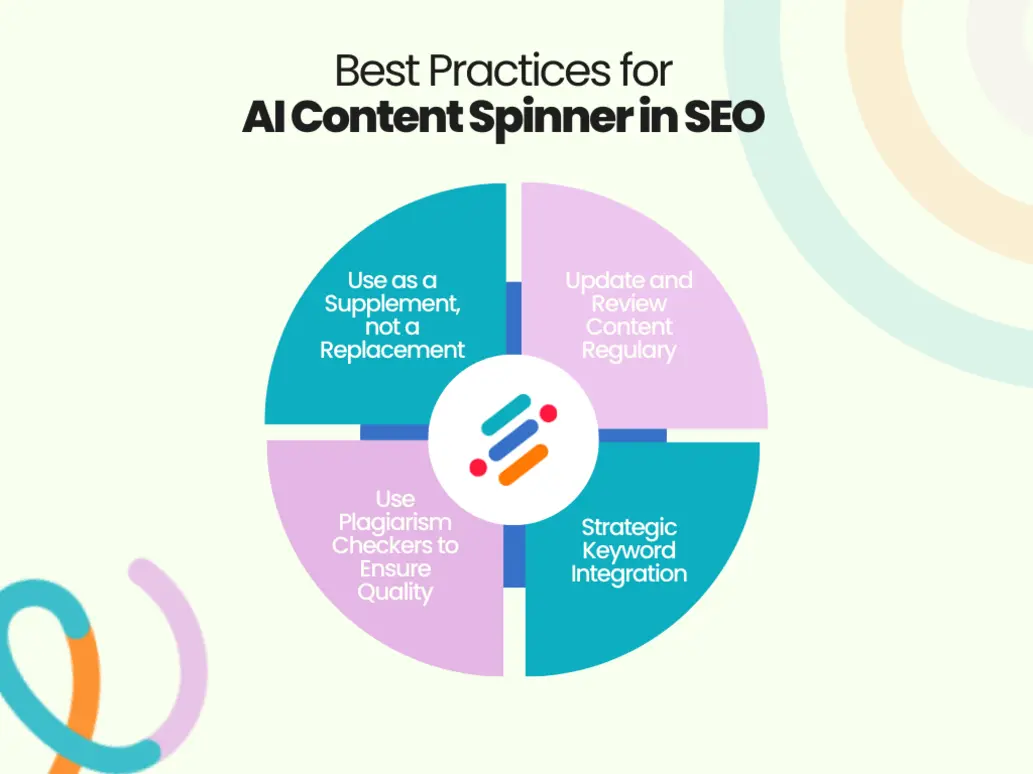
Here’s how modern AI content spinning works:
- Seed Input: Give the AI a foundational article—or just your key message points.
- AI Processing: Automated rewriting, enhancing for uniqueness, grammar, and overall readability.
- Multi-version Output: Like magic, you get dozens (or hundreds) of spun versions, ready for distribution across myriad platforms.
What’s the big deal? Here’s why AI content spinning is a game-changer:
- Massive Efficiency Gains: Deploy content across hundreds of platforms in mere hours.
- Quality Control: Not just “unique” but actually coherent—today’s spinners work with grammar and style checkers to ensure natural output.
- Customization: Want different tones, complexity levels, or embedded links per platform? Modern spinners make it easy.
Competitive Edge:
It’s not just about volume. AI-powered link building tailors content to meet current search intent, keeps you ahead of algorithm updates, and eliminates accidental duplication penalties. Need a surge for a seasonal campaign—or a massive push for a new product launch? AI content spins let you deliver without burning out your human writers.
Real-world Story—AI in Action:
A mid-sized eCommerce brand used AI spinning to generate unique product descriptions for 500 SKUs in two weeks. The result? Rankings improved, bounce rates dropped, and conversion rates climbed 10%—all from intelligent, automated content.
From Strategy to Execution: Mastering Advanced SEO Automation Features
So you’ve mapped your workflow, selected a toolbox of platforms, and started spinning up AI-generated content. But how do you actually pull it all together? The answer: Unified dashboards, seamless analytics, and smart, data-driven optimizations.
Unifying Dashboard Intelligence
A cutting-edge automation dashboard doesn’t just slap features together. It integrates them—so campaign oversight, workflow visualization, performance tracking, and content spinning all happen in one place. It’s the difference between “just working” and truly scaling up.
Team Collaboration:
No more toggling between spreadsheets and email chains. Dashboards sync team efforts, log changes, and provide instant status updates.
Future-proofing:
Just as search engine algorithms update, your automated SEO tool evolves—plug in new features, pivot campaigns, and adjust at lightning speed.
Efficiency Demonstrated
Case Study:
A SaaS company tasking a single manager to build 40 referring domains ramped up to 400+ domains and 120 active campaigns—in just four months. Staffing stayed flat. How? Their automation dashboard triggered workflows, tracked every KPI, and distributed content seamlessly. For them, “scale” wasn’t a buzzword—it was a daily reality.
Cross-platform Analytics Integration
Modern dashboards talk directly to Google Analytics, Google Search Console, and other core reporting tools.
What does that mean for you?
- Automated Goal Tracking: Hit milestones and measure progress in real time.
- Link Attribution Modeling: Know which backlinks drive actual conversions.
- Instant Visualization: See the full impact—traffic, ranking, ROI—in color-coded clarity.
Data-Driven Decision-Making
Gut feelings have their place, but nothing beats testable data. Run A/B tests right inside your automated workflow. Segment reports by platform, campaign, or link type. Visualize what’s working—then double down.
The best marketers operate like scientists—hypothesis, test, optimize, win.
Expanded Example—A/B Testing in SEO Automation:
Imagine you’re unsure whether video content or in-depth guides perform better for a new niche. Launch both styles as parallel campaigns, distribute via your automation dashboard, and track conversion and ranking metrics in real time. Within weeks, the data tells you which strategy deserves more investment—all without manual spreadsheet wrangling.
The Future of SEO Automation: Innovation, Challenges & Opportunities
Where is SEO automation going? If you’re thinking, “Isn’t this as good as it gets?”—think bigger. This is just the beginning.
What’s Next for SEO Automation?
- AI-Enhanced Natural Language Generation: Content tools will move beyond “spinning”—they’ll truly understand intent, context, and nuance, serving up insights tailored to every SERP.
- Automated Penalty Detection: Platforms will flag potentially toxic links or spam signs, then guide you through instant remediation.
- Greater Personalization: Automation will adapt campaigns in real time to user behavior, device trends, and competitor moves.
- Seamless Multilingual SEO: Imagine auto-translating content that ranks globally with zero manual edits. Coming soon!
Remaining Challenges
Don’t let automation lull you into a false sense of security. The landscape is shifting—fast.
- Algorithmic Volatility: Google (and friends) constantly tweak the rules. Any automation strategy must be agile, ready to pivot when signals change.
- Quality vs. Quantity: More links isn’t always better. The smartest automation platforms let you cherry-pick high-value, contextually relevant links for real engagement.
- Sustainability: Ultimately, everything rests on user experience and brand reputation. Automation should lift, not diminish, what your brand stands for.
Expanded Example—Navigating Google Updates:
Let’s say Google launches an update targeting AI-generated content. A smart automation platform, integrated with penalty detection and quality filters, flags at-risk pieces and recommends content rewrites—before you lose rankings. Manual teams? They may only notice months later.
Beyond Automation: Integrating SEO with Broader Digital Strategy
We’ve covered automation, AI, dashboards—so what about the bigger digital ecosystem? Today, winning SEO teams aren’t working in silos; they’re collaborating across content, social, and branding departments to maximize results.
Cross-functional Success Stories
- Branded Content Collaboration: An outdoor retailer’s SEO team worked directly with influencer managers, using automation to seed product stories across blogs and social feeds. Result: 8x traffic in six months.
- UX & SEO Synergy: A fintech startup drove higher rankings AND better conversions by tightly syncing SEO automation with UX testing—analytics dashboards tracked both user engagement and backlink ROI for rapid iteration.
Integrating Automation with Paid Search
Why stop at organic? Use dashboard data to feed your best-performing keywords directly into paid search campaigns. AI-driven platforms even let you split test landing pages generated for both channels.
Conclusion: Harnessing Automation for Lasting SEO Wins
The future isn’t “robots versus humans”—it’s humans using smart tools for leverage. The right SEO automation dashboard gives you everything: clear workflows, instant data, multi-channel engagement, scalable backlinks, and the creative power of AI.
Want to truly own your search results?
Look for platforms that integrate everything—from visual campaign mapping to real-time analytics, next-gen content spinning, and cross-channel workflow syncing. The leaders don’t just automate; they enable rapid, informed campaign pivots, connecting data directly to strategy.
Remember: Trends come and go, but digital visibility—and the revenue that follows—is a long game. Automation platforms empower you to maximize efficiency, stay resilient, and drive sustainable growth.
Curious how domain management fits the big picture? Check out our guide for smart bundles and security: Watch more (dofollow).
Stay plugged into the future of tech and SEO:
👉 Our Website
👉 Our YouTube Channel
👉 Our Facebook Fanpage
👉 Our X (Twitter)