
Before we dive into the extensive breakdown of managed WordPress hosting in 2025, it’s worth reflecting on how rapidly the digital infrastructure supporting our online lives has been evolving. Over the last decade, hosting solutions have shifted dramatically—from simple shared space arrangements to sophisticated, enterprise-ready platforms engineered for speed, security, and scalability. This transformation is being fueled by cyber threats, the growing complexity of websites, and user demand for instant, friction-free experiences. The stakes are higher than ever, which is why understanding the nuances between traditional hosting and managed WordPress solutions like WP Engine is not just helpful but essential. What follows is a detailed exploration that highlights trends, compares features, and equips you for smarter digital decisions in 2025 and beyond.
Managed WordPress Hosting 2025: Deep Dive, WP Engine vs Traditional Platforms, Pricing, Tech, and The Future of Digital Business
Table of Contents
- The Rising Tide: Search Trends & Why 2025 Is Managed Hosting’s Breakout Year
- Managed vs Traditional Hosting: Definitions, Key Differences, and Market Trends
- Comparative Pricing & Feature Analysis: 2025 Plans at a Glance
- WP Engine’s Technical Distinction: EverCache®, Security Layers & Uptime Guarantees
- Migration, Support, and Final Decision Assurance: WP Engine’s Customer Journey
- Long-Term Business Impact: Developer Tools, Scalability, and Future-Proofing
- Expert FAQ: Managed WordPress Hosting For 2025
- Conclusion & Next Steps (with resource links)
The Rising Tide: Search Trends & Why 2025 Is Managed Hosting’s Breakout Year
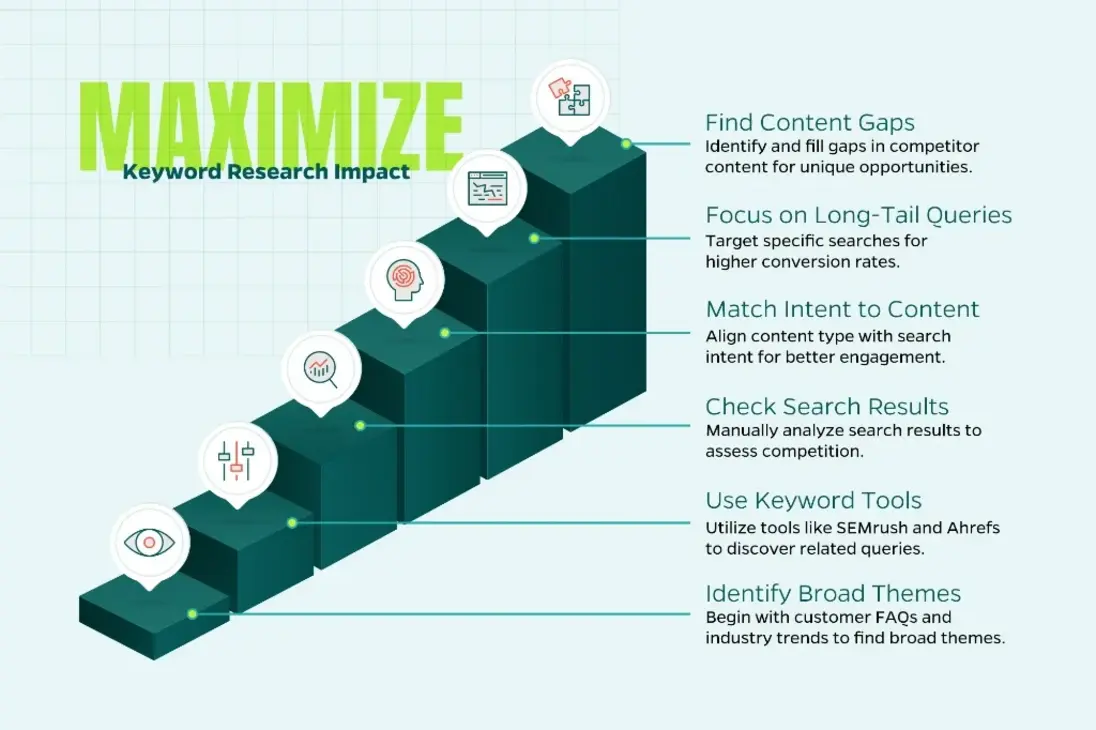
Let’s start with a quick gut check: Have you ever typed “fast WordPress hosting” or “secure hosting for businesses” into Google? Well, you’re not alone—and the data makes it crystal clear.
Over the past year, searches for “managed WordPress hosting,” “WP Engine features,” and “secure WordPress hosting 2025” have exploded. Just peek at the infographic above: the curves are going up, up, UP. This surge is more than just curiosity—it’s a sign of shifting priorities in the digital world.
Why the big wave? Here are the driving forces reshaping the way businesses think about web hosting:
- Rising Security Threats: According to Google’s latest cybersecurity report, cyberattacks were up 35% year-over-year. That’s not a typo. As ransomware and data breaches hit the headlines, safeguarding sites has moved from “maybe someday” to “must do now.”
- Complexity & Growth: WordPress powers a jaw-dropping 43% of ALL websites worldwide (W3Techs, 2024). But with great popularity comes great complexity. As your projects scale, keeping up with plugin updates, security patches, and performance tweaks goes way past DIY territory.
- Demand for Speed: Nobody likes a slow site. In fact, more than 70% of users say goodbye to sites that take longer than 3 seconds to load (Google, 2023). And with Google’s Core Web Vitals in play, slow pages don’t just lose visitors—they get punished in the rankings.
- Migration Momentum: Tired of unreliable shared hosting? You’re not alone. Organizations are making the switch to stable, managed platforms that promise faster load times, higher security, and much less hassle.
So, what’s the deal with managed hosting, and why does WP Engine keep coming up in these conversations? Let’s lay the groundwork: definitions, features, and the market realities for 2025.
Managed vs Traditional Hosting: Definitions, Key Differences, and Market Trends
Getting bombarded by tech jargon is the fastest way to lose your enthusiasm, so let’s make this plain.
Traditional Hosting
- Shared Hosting: Think of this as the open-plan office of web hosting—your site has a desk, but so do a hundred others. It’s dirt cheap, but if your neighbor starts printing 10,000 flyers (i.e., gets a traffic spike), everyone slows down.
- VPS/Cloud: This is the private office. You get more room and control, but you’re suddenly in charge of fixing the leaky faucets and setting up your own security cameras (patches, updates, backups, and all).
Managed WordPress Hosting
This is the penthouse suite—with room service, a security guard at the door, and a maintenance team on speed dial.
- WordPress-Tuned: The whole stack (servers, cache, PHP, database) is tweaked for just one job—making WordPress sites run fast and stable.
- Security-First: Automated malware scans, tough firewalls, and around-the-clock monitoring—done by people who geek out over this stuff.
- Zero Maintenance Drag: Backups, updates, and troubleshooting? Already handled.
- Performance Prowess: Custom caching, lightning-fast content delivery, and a promise your site won’t crash at the worst time.
Key Differences Table
| Shared Hosting | Traditional VPS | Managed WP Hosting | |
|---|---|---|---|
| Speed | Moderate-Poor | Good | Excellent |
| Security | Basic | User-Dependent | Enterprise-Grade |
| Updates | Manual | Manual/Partial | Automated |
| Support | Generic | VPS-focused | WP Experts 24/7 |
| Uptime SLA | Rarely Offered | Sometimes | 99.9%+ Guaranteed |
| Price | Low | Moderate-High | Moderate-High |
Spotlight: 2025 Hosting Market Trends
Pop quiz! Which of these is now table stakes for premium hosting?
- AI-Driven Optimization: Smart bots scan your site for weak points and optimize speed—on the fly.
- Agency/Enterprise Features: Collaboration tools, instant staging, local dev, advanced APIs—the works.
- No-Sweat Migrations: Automated, tested transitions that won’t break your site or burn your weekend.
- Future-Proofing: Headless CMS, edge delivery, modular upgrades, plus compliance for every global market.
If you checked all of the above, you’ve been paying attention. According to Kinsta and other industry researchers, 2025 is seeing managed hosting outpace traditional options—especially for anyone serious about security and speed.
Comparative Pricing & Feature Analysis: 2025 Plans at a Glance
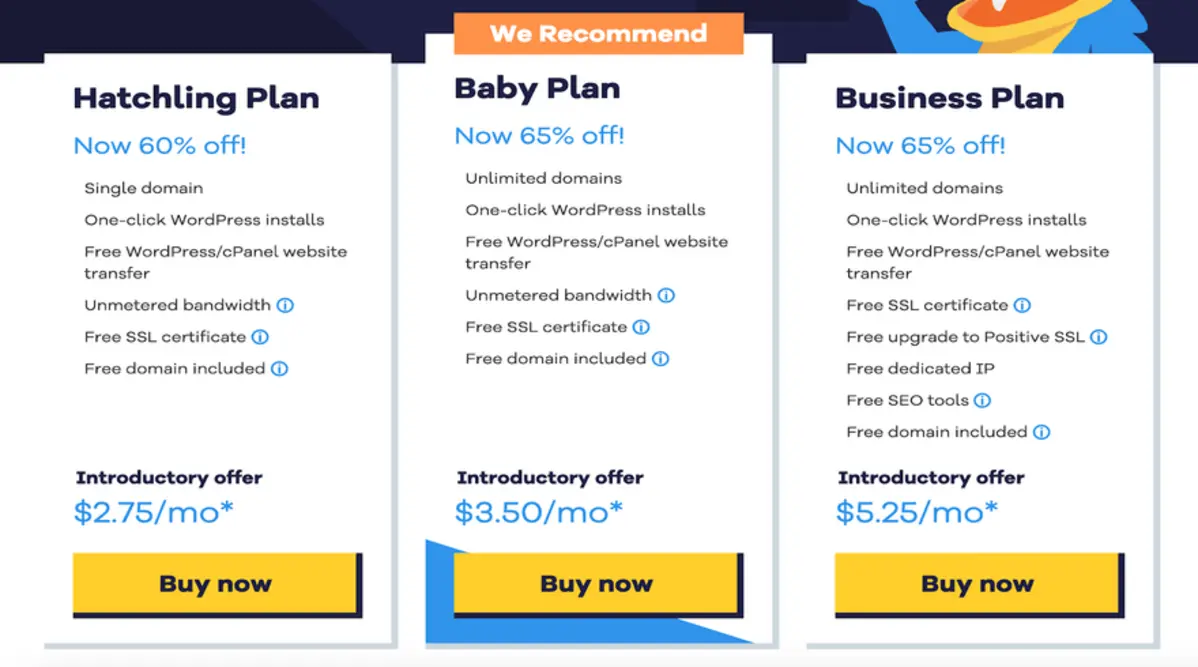
Money talks—and when it comes to web hosting in 2025, you want every dollar pulling its weight.
The chart above (modeled on current HostGator pricing) maps the basic playing field. But what does your monthly spend actually buy in the managed WordPress world—especially compared to old-school options?
Pricing, Value & Feature Breakdown
- Shared Hosting: $2.95–$6.95 per month. Sounds cheap, but costs spike with add-ons (backups, security). Slowdowns are practically guaranteed at scale.
- VPS/Cloud: $19.99–$49.99 per month. More control, but you’ll need to roll up your sleeves for server maintenance, security audits, and troubleshooting.
- Managed WP Engine: $20–$115 per month (from pro to enterprise). You’re paying for headspace: security, speed, expert support—all bundled.
What You Really Get
| Feature | Shared/VPS | Managed WordPress |
|---|---|---|
| Backups | Manual or $$$ Add-on | Automated daily |
| Staging | None or limited | Unlimited staging & clones |
| Security | Basic, up-charged | Enterprise-grade, all-in |
| Performance | Basic caching, no CDN | CDN, EverCache®, auto-opt |
| Support | Generic, slow queues | 24/7 WP experts |
Want to dig deeper? Check out our actionable plans, side-by-side checklists, and more in Watch more.
Real-World Example:
Let’s say you run a Shopify alternative or booming WooCommerce store. Every time your shop lags, you lose sales. A $25/month managed plan could save you hundreds—or thousands—by preventing outages or slowdowns during peak sales.
WP Engine’s Technical Distinction: EverCache®, Security Layers & Uptime Guarantees
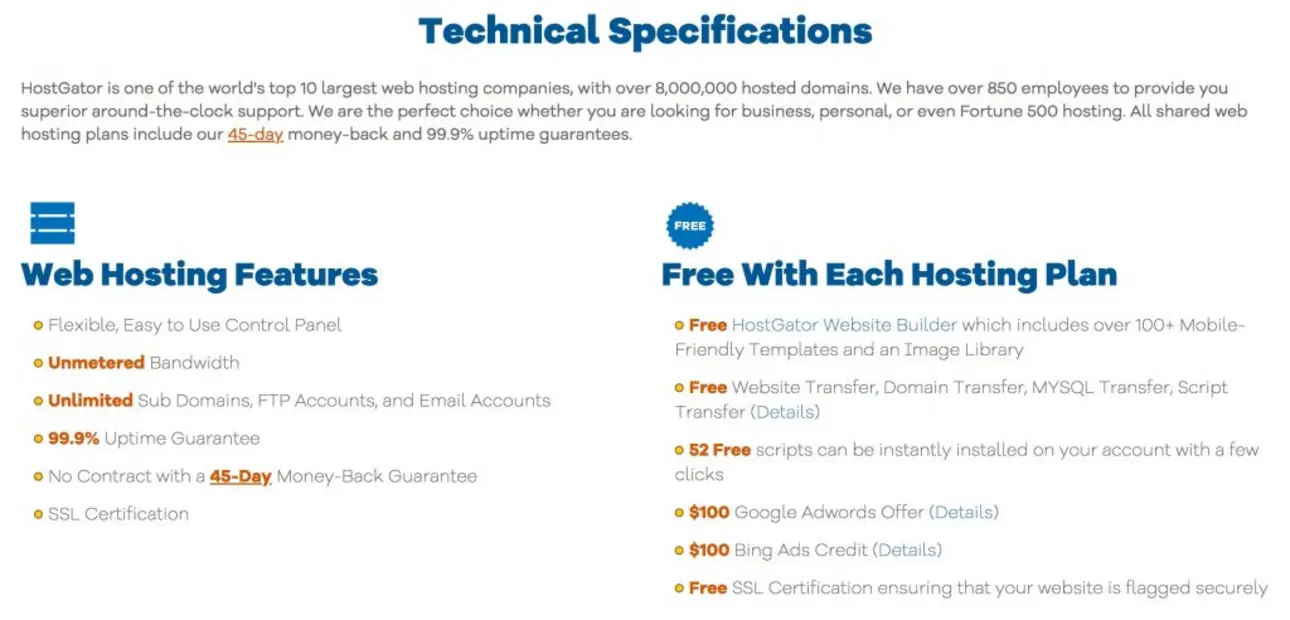
It’s time to get geeky—but don’t worry, we’ll keep it human.
When it comes to spikes in traffic, high-value transactions, and keeping your brand off the next “security breach” headline, WP Engine ups the ante with a technical stack that’s tough to match.
EverCache®: The Supercharger
Imagine if your website had a turbocharger—EverCache® is just that. It sits between your site and the end user, stripping out the technical traffic jams and bottlenecks.
- Server-Side Caching: Pages load in a blink, even when your content is “trending.”
- Content Auto-Optimization: Unwieldy images? Messy scripts? EverCache® handhelds it, shaving microseconds off every visit.
- Global CDN Integration: Visitors connect via the nearest server globally, meaning less lag, no matter where your customers are.
Security: Layered Like an Onion (But With Fewer Tears)
In 2025, security threats are basically a full-time job, but here’s what WP Engine brings to the table:
- Real-Time Threat Detection: AI sniffs out attacks before they hit, shutting the door fast.
- Auto-Patching: WordPress core and plugin updates are handled for you—bye-bye, zero-day exploits.
- Proactive Malware Scans & Fixes: No “uh-oh” moments. Threats are caught and quarantined instantly.
- Built-In SSL: HTTPS for every site, auto-renewed, for free.
Uptime & Analytics: Website On Autopilot
- 99.99% Uptime SLA: Thanks to global data center redundancy and constant health checks.
- Automatic Failover: If a server fails, traffic gets rerouted instantly. Visitors don’t even notice.
- Performance Intelligence: Need to find which plugin is slowing you down? Advanced dashboards show the full story, with recommendations.
Case Study: E-Commerce Rescue
Here’s what happened when a mid-size e-commerce shop jumped from a DIY VPS to WP Engine after a nightmare security breach:
- Downtime dropped by 87%—fewer lost carts, no “site not available” moments.
- Page speed soared by 49%—buyers stopped bouncing, conversion went up.
- Security incidents? Down to zero. The owner could finally sleep at night.
Bottom line: Managed WordPress hosting isn’t just a technical upgrade. It’s long-term insurance for your reputation.
Migration, Support, and Final Decision Assurance: WP Engine’s Customer Journey
Be honest: The thought of moving your website is a little scary, right? Potential downtime, lost data, mysterious plugin errors… Nightmare fuel for any website owner.
WP Engine gets it—which is why they’ve turned migrations, onboarding, and support into a white-glove, “we’ve got this” process.
Migration Checklist: No More Sweaty Palms
Here’s what a typical move looks like:
- Pre-Migration Audit: Their team checks for plugin weirdness, custom integrations, and database quirks.
- Automated Migration Plugin: Click. Wait. Done. Your site transfers with minimal downtime. If something hiccups, you can roll back instantly.
- Integrity Checks: Every image, post, and transaction is run through automated QA to catch issues before launch.
- DNS Cutover: When you’re ready to go live, experts help point the world to your fresh, faster site—without dropping SEO rankings.
Support: Human Help, Not Scripted Robots
- 24/7 Live Chat & Phone: Got a 3 a.m. issue? Real, WordPress-trained engineers are just a click away.
- Dedicated Account Managers: If you’re running multiple sites or an online empire, you get direct access to people who handle big-ticket clients (not just ticket numbers).
- Helpful Resource Library: Need to troubleshoot a plugin, optimize a theme, or learn WooCommerce SEO? From API docs to migration guides, it’s all there.
Common Migration Questions
Q: Will my SEO tank after moving?
A: Not if you follow the right steps. With zero downtime and complete URL mapping, your Google rankings stay safe—or even get a boost with improved speed.
Q: What about custom features/plugins?
A: WP Engine’s migration specialists review and test custom code, making any tweaks needed to ensure your site works as intended.
Q: Do I need to be a developer to make this work?
A: No! The whole idea is letting business owners focus on business—and letting developers off the “grunt work” hook.
Long-Term Business Impact: Developer Tools, Scalability, and Future-Proofing
Let’s zoom out. What happens six months, one year, or five years after switching to managed WordPress hosting?
Hint: The biggest ROI isn’t just faster loading times. It’s the platform’s ability to grow—and adapt—as your site takes off.
Developer and Agency Superpowers
- Built-in Git Integration: Push code safely, test features in staging, and merge to production with confidence.
- SSH & API Endpoints: Programmatically control backups, automate client onboarding, or spin up test sites for new campaigns.
- Headless WordPress Support: Want to use WordPress purely as a backend, and deliver jaw-dropping UIs with React or Vue? That’s supported, out of the box.
Real Deal Scalability
- Instant Upgrades: Viral traffic? Big product launch? Upgrade without a single phone call—and with zero downtime.
- Edge Caching & Edge Compute: Serve up static content and APIs blazingly fast, even for complex modern web apps and Single Page Applications (SPAs).
Built for the Future
- Auto PHP Upgrades: Stay secure and efficient, without begging your host for updates.
- Multi-Site Management: Host dozens of sites, in any language, all in one dashboard.
- Global Compliance: GDPR, CCPA, and other international requirements—handled.
Real-World Growth Scenario
Consider a digital agency: They manage 40+ client sites. In the old days? Constant plugin updates, WordPress version checks, and “help, my site is down!” panicked emails. With managed hosting, that overhead drops—leaving more time for design, strategy, and (let’s be real) real vacations.
Strategic Business Wins
- Faster launches: Build, stage, and publish campaigns in hours, not days.
- Lower IT costs: No need for in-house sysadmins or expensive freelance firefighting.
- Transparent Pricing: Growth is predictable, costs are straightforward, and no surprise “bandwidth overage” emails.
Curious about growing your content or YouTube presence using advanced hosting and AI-powered SEO? Dive into our guide: Watch more.
Expert FAQ: Managed WordPress Hosting For 2025
The more you know, the smarter your decisions. Here are the top questions from digital business owners this year:
Q: Is managed WordPress hosting really worth the extra cash?
A: For most brands, yes. If your revenue, reputation, or growth depend on your website, the cost is offset by fewer outages, reduced IT headaches, and real marketing returns.
Q: How long does migration actually take?
A: Most small and medium sites move in under a day with WP Engine’s migration tools. Enterprise migrations with lots of custom code might take 2–5 days, but you’ll have expert help at every step.
Q: Does WP Engine include email and non-WordPress app hosting?
A: Nope—they are crystal-focused on being the best WordPress host around. But they integrate easily with cloud email (Gmail, Outlook) and other cloud services.
Q: What’s the difference between WP Engine and Kinsta, SiteGround, or Flywheel?
A: All are strong choices depending on your priorities. WP Engine stands out for EverCache®, enterprise ecosystem, and headless support—but always read current reviews and dig into the fine print for features, SLAs, and support.
Q: Will managed hosting lock me in or make it hard to leave later?
A: Actually, migration out is just as supported as migration in. You’ll get access to site backups and all your data—so your project stays portable if business direction changes.
Managed Hosting & The Digital Business Revolution: Beyond 2025
Let’s get real. In 2025, digital business is no longer just about having a sleek homepage or good prices. The sites that win are blazing fast, bulletproof secure, and adaptive in ways legacy hosting simply can’t match.
Consider some eye-opening stats and trends:
- Cybersecurity Ventures projects global cybercrime costs will hit $10.5 trillion annually by 2025. Could your current host handle a sophisticated attack—or would it crumble?
- A 1-second delay in page response can result in a 7% reduction in conversions (Akamai, 2024). Imagine the ROI boost if your managed host shaves off even half a second.
- Modern users multitask on TikTok, Instagram, and YouTube—if your site isn’t as fast as their favorite apps, you’ve lost them, period.
Managed Hosting Powers More Than Just Blogs
Managed WordPress hosts now drive everything from one-person startups to Fortune 500 web apps. Consider how brands like TEDx, yCombinator, or The White House depend on enterprise-caliber managed stacks for reliability and resilience.
Story: From Side Hustle to Startup
Jamie ran a small lifestyle blog after work. When a recipe post went viral thanks to a TikTok influencer, her old shared host crashed under the load. After switching to a managed plan, Jamie saw 0 minutes downtime—even when a national TV show picked up her content. “It was the first time I felt 10,000 visitors wasn’t a crisis,” she laughs.
Conclusion & Next Steps
Managed WordPress hosting is more than just a tech trend—it’s an essential ally for anyone looking to scale, secure, and streamline their digital business in 2025 and beyond. WP Engine, among other leaders, sets the bar with expert support, smart automation, enterprise security, and a relentless focus on WordPress performance.
Ready to level up and future-proof your web presence? Start by:
- Reviewing your site needs and future goals
- Auditing current hosting pain points (speed, security, support, pricing)
- Booking a chat with a managed WordPress advisor
- Mapping your migration and growth gameplan
Your next-gen website deserves a next-gen home.
For deeper dive guides and industry insights, don’t miss: Watch more.
Stay Connected & Power-Up Your Knowledge
👉 Our Website
👉 Our YouTube Channel
👉 Our Facebook Fanpage
👉 Our X (Twitter)