
Most dash cams look exactly like what they are: a gadget stuck to the windshield with a cable looping across the headliner. FitCamX takes the opposite approach. It builds vehicle specific, plug and play dash cams that sit in the rearview mirror area, draw power from a connector hidden behind it, and end up looking like a feature your car shipped with. With more than 45 brand collections, from Toyota, Ford and Honda to BMW, Porsche, Mercedes Benz, Volvo and Land Rover, FitCamX currently sells a 4K front camera from $168 and a 4K front plus 1080p rear kit from $248 on its best selling Toyota listing, backed by an iOS and Android app and a 12 month warranty.
The pitch is easy to like, but the full picture is more mixed than the product pages suggest. Hands on testers praise the clean, cable free install, while the brand sits at a 2.1 out of 5 “Poor” score on Trustpilot, with complaints about recording reliability, fitment mistakes and support. Footage quality has also drawn very different verdicts from different reviewers. This 2026 review walks through how FitCamX works, the full price list verified on the official store, how it compares with Thinkware, Viofo and Garmin, the genuine pros and cons, and exactly who should (and should not) buy one.
FitCamX Review 2026: The OEM Style Dash Cam That Hides Behind Your Rearview Mirror
Overview and Background
FitCamX is a dash cam brand that focuses on one idea: a camera that looks like part of the car. Rather than selling a single universal camera, the company sells model matched kits for specific vehicles, each designed around the shape of that car’s rearview mirror cover and the connector hidden behind it. The store is organized by manufacturer, with dedicated collections for Toyota, Lexus, Ford and Lincoln, Honda, Hyundai, Kia, Tesla, Volkswagen, BMW, Audi, Mercedes Benz, Porsche, Volvo and Polestar, Land Rover, Jeep, RAM, GMC, Subaru, Nissan and many more, plus a universal option for cars without a dedicated kit.
According to the brand, the goal is to improve the driving experience through innovative design and reliable quality, with a commitment to imaging research and development. The installation approach is the headline. On supported cars the camera draws power from the mirror area through hidden wiring, so there is no need to remove the A pillar trim, tap the cigarette lighter or open the fuse box for basic operation. Three configurations are offered: a single 4K front camera, a 2K front plus 1080p rear dual camera, and a 4K front plus 1080p rear dual camera.
FitCamX sells direct through its own online store, ships to 72 countries from both overseas and US warehouses, and accepts cards, PayPal, Apple Pay and Google Pay. It is not a household name like Garmin or Thinkware, and its independent reputation is the part buyers should read most carefully, which this review covers in the pros and cons sections below.
Why FitCamX Stands Out in 2026
It looks like it came from the factory: This is the entire reason FitCamX exists. The camera is matched to your mirror housing, so from the driver seat it reads as part of the car rather than an add on. No suction cup, no dangling cable, and no obvious gadget that tells a thief there is something worth stealing.
Installation is genuinely fast: Customers report a front and rear setup in under 20 minutes, and The Gadgeteer reviewer installed the front camera on a Ford truck in about 10 minutes by plugging a Y connector into the Lane Keeping Assist connector behind the mirror. The camera then powers on and records whenever the truck does.
Wide vehicle coverage: With dedicated kits for dozens of manufacturers and many individual models and generations, FitCamX covers far more cars than most OEM style rivals. Even rarer fitments such as Land Rover Defender, Porsche, Bentley, Lamborghini, McLaren Artura and Rolls Royce have their own listings.
4K at a mainstream price: A 4K front camera starts at $168 on most listings, with sale prices applied against a listed regular price of $189. That is well below the price of comparable dual channel cameras from established brands.
Front and rear options: Buyers can choose a front only 4K camera, a 2K front plus 1080p rear kit, or a 4K front plus 1080p rear kit with a larger 128GB card. The rear camera is wired from the front unit and cannot be bought separately, which keeps the system simple but limits flexibility.
A companion app on both platforms: The FITCAMX app is available for Android and iOS, with interface languages including English, German, Italian, Spanish, French, Korean, Thai, Turkish, Polish and more. It is used to view, download and manage footage over the camera’s own WiFi connection.
A real return and warranty framework: The store offers a 15 day no reason return window, a 30 day replacement path for defects and a 12 month warranty on defective units, with free shipping on quality related replacements. Those terms are only as good as the support behind them, but the policy itself is clearly written.
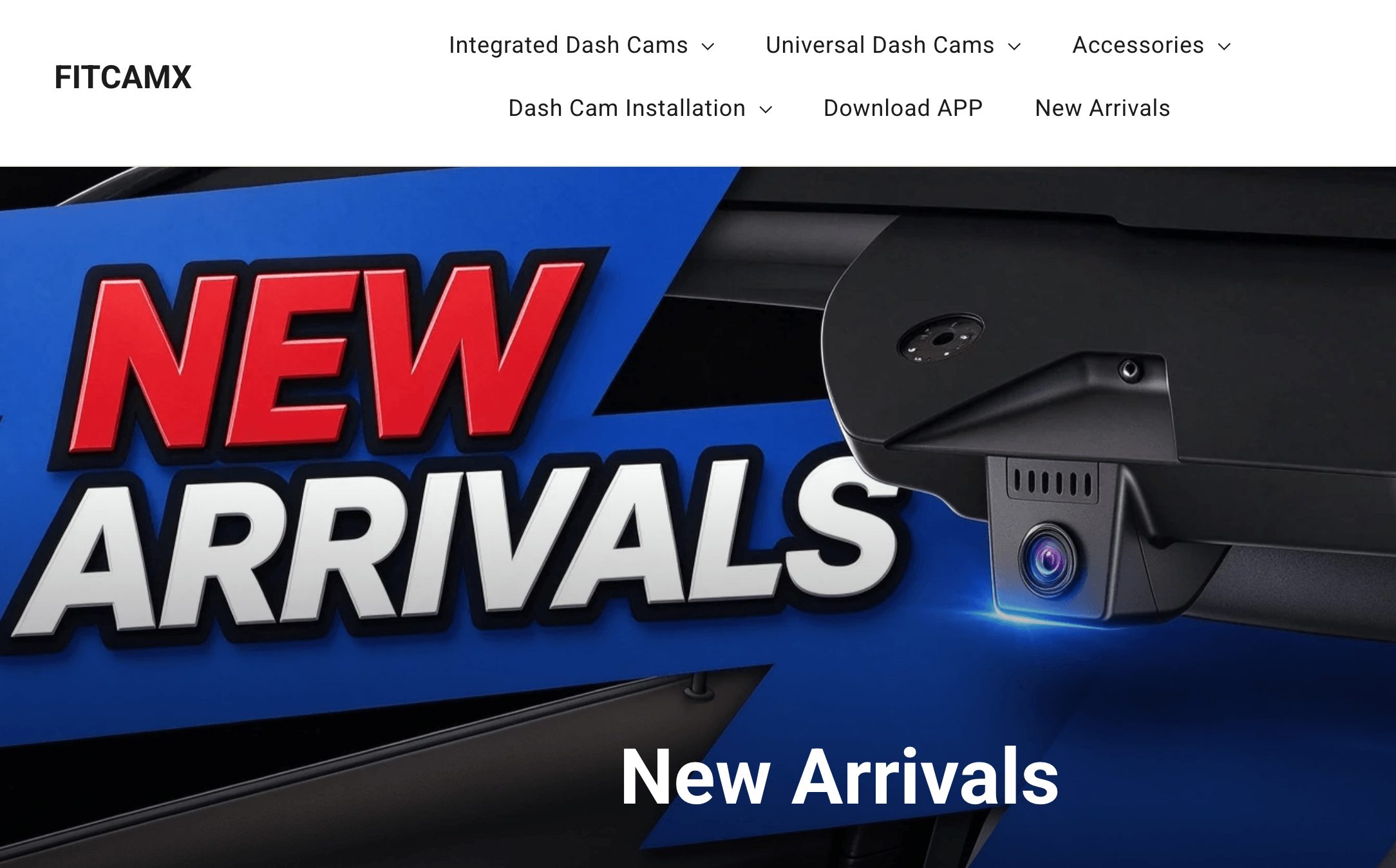
FitCamX hides inside the mirror area of supported cars, drawing power from a connector behind it so the finished install looks like a factory feature.
Key Features and Technology
FitCamX uses the same core platform across its vehicle kits, with the differences coming from housing shape, connector type and the camera combination you choose. Here is what the official specification sheet and independent testing show.
Video: 4K Front, 1080p Rear
The front camera records up to 2160p (4K) at 30 frames per second with an f/1.6 aperture and a 160 degree field of view on the official spec sheet. Independent reviewers list the processor as a Novatek chip, and wide dynamic range (WDR) is included to balance bright skies and dark road surfaces. The dual camera kits add a 1080p rear camera with an f/2.0 aperture and a 140 degree field of view. The cheaper dual kit drops the front camera to 1440p (2K) in exchange for a lower price and a 64GB card.
Plug and Play Installation
On supported cars a Y connector plugs into an existing connector behind the rearview mirror, commonly the lane keeping or sensor connector, so the camera powers up with the ignition. The front camera needs no extra wiring. The rear camera on dual kits is hardwired from the front unit, and Carwitter noted that routing a five metre rear cable through a small car was fiddly. Because every kit is matched to a mirror cover, FitCamX asks buyers for a photo of the cover after ordering.
Recording, G Sensor and Storage
Loop recording overwrites old footage automatically, while a built in G sensor detects impacts and locks the relevant clip so it is not overwritten. The cameras support microSD cards up to 256GB on the official spec sheet, with a 64GB or 128GB card included depending on the kit. One Gadgeteer note is worth remembering: the card ran noticeably hot in midday sun, which is a reminder to use a high endurance card and to check that the camera keeps recording after a hot day.
WiFi and the FITCAMX App
The camera creates its own 2.4 GHz WiFi network. You connect your phone to that network, open the FITCAMX app, and review or download clips. There is no cloud upload and no remote viewing. The trade off, flagged by The Gadgeteer, is that while you are connected to the camera you may lose your phone’s normal internet connection, which some users find awkward when sending a clip right after an incident.
Parking Mode and Accessories
Parking mode is not part of the basic plug and play install. It requires a hardwire connection, either through a fuse box cable kit ($38 to $39 depending on the car) or an OBD cable kit ($29.99), so that the camera keeps receiving power while the engine is off. The store also sells CPL polarizing filters for the front or rear lens ($23.99 each) to cut windshield glare, plus microSD cards from $19.99. The operating temperature range is listed as minus 20 to 60 degrees Celsius with a 12V DC power input.
Pricing, Plans, and Package Structure
FitCamX is a one time purchase with no subscription, cloud plan or recurring fee. Pricing follows the camera configuration and the vehicle platform. The figures below were checked on the official store in October 2026 and show the current sale price with the listed regular price in brackets. The best selling Toyota listing sets the baseline: $168 for the 4K front camera, $198 for the 2K plus 1080p rear dual kit and $248 for the 4K plus 1080p rear dual kit. A few vehicles price slightly higher, such as the Tacoma and older Corolla at $188, $218 and $268, and the 2022 to 2026 Tundra at $189.99, $219.99 and $269.99.
| Product | Price (USD) | What It Is | Best For |
|---|---|---|---|
| Single Front Camera, 4K, 64GB | $168 (reg. $189) | 4K front camera, plug and play, 64GB card included, on most Toyota, Honda, Ford, VW and Volvo fitments | Commuters who want a hidden, simple recorder |
| Dual Camera, 2K Front + 1080p Rear, 64GB | $198 (reg. $229) | 1440p front with a 1080p rear camera, hardwired from the front unit | Budget rear coverage |
| Dual Camera, 4K Front + 1080p Rear, 128GB | $248 (reg. $288) | Top Toyota configuration with a 128GB card | Best picture and rear protection |
| Premium Fitments (BMW, Mercedes Benz, Porsche, Audi, Land Rover) | From $188 to $208 (reg. $199 to $238) | Model matched kits for luxury platforms, such as BMW F Chassis and Mercedes Benz GLC/C Class from $188, Porsche from $198, Land Rover Defender from $208 | Luxury car owners who want a factory look |
| Truck and EV Fitments (RAM, GMC Sierra, Mustang Mach E) | From $189 (reg. $219) | RAM 1500/2500/3500 and GMC Sierra 2020 to 2025, Ford Mustang Mach E 2021 to 2025 | Truck and EV drivers |
| Universal Dash Cam | From $168 (reg. $189) | Universal version for vehicles without a dedicated kit | Cars not covered by a specific kit |
| FitDVR 4K 3 Channel (F3) | From $169.99 | Front, rear and interior cameras with built in GPS and a 3 inch screen, listed in the Universal collection | Rideshare drivers who want interior and GPS |
| Fuse Box Hardwire Kit (Parking Mode) | $38 to $39 | 4 in 1 fuse tap cable, with Toyota/Lexus and Volvo/Kia/Hyundai versions at $38 | Parking mode and 24/7 power |
| OBD Cable Kit | $29.99 | Powers the camera from the OBD port for parking mode | No fuse box access |
| CPL Filter (Front or Rear) | $23.99 | Circular polarizing lens to reduce glare | Bright, reflective dashboards |
| Memory Card | From $19.99 | Replacement or upgrade microSD card | Larger storage or spare card |
How FitCamX Compares to Alternatives
FitCamX competes less on raw features and more on discretion and price. Here is how its 4K kits stack up against three well known rivals. Competitor prices are approximate and based on retailer listings.
| Factor | FitCamX (4K front / dual) | Thinkware U1000 (dual, radar) | Viofo A229 Pro (2 channel) |
|---|---|---|---|
| Price (approx.) | $168 front, $248 dual 4K | About $330 (listed down from $425) | About $330 |
| Front video | 4K 2160p, 30 fps, f/1.6 | 4K UHD, Sony STARVIS sensor | 4K, 8MP Sony STARVIS 2 sensor |
| Rear camera | 1080p (dual kits only) | 2K QHD | 5MP STARVIS 2 |
| GPS | Not listed | Built in | Built in |
| WiFi and app | 2.4 GHz local WiFi, iOS and Android | WiFi | Local 2.4 or 5 GHz WiFi, no cloud |
| Parking mode | Needs fuse box or OBD kit | Yes, with hardwire | Needs HK4 hardwire kit |
| Look | Hidden, vehicle specific OEM style | Visible windshield unit | Visible windshield unit |
| Warranty | 12 months | 1 year | 18 months |
| Best for | Hidden install and low price | Feature rich cameras with radar | Image quality and GPS on a budget |
vs. Thinkware U1000: The Thinkware is a premium, feature rich system with GPS, a radar module for parking detection and a longer track record, but it costs roughly $80 to $160 more than FitCamX’s 4K kits and sits visibly on the windshield. If you want maximum parking protection and data, Thinkware wins. If you want invisibility and a lower price, FitCamX does.
vs. Viofo A229 Pro: The Viofo is popular with enthusiasts for strong image quality from its STARVIS 2 sensors, built in GPS, both 2.4 and 5 GHz WiFi and an 18 month warranty. It is a better pure recorder, but it is not designed to hide, and it needs the optional HK4 hardwire kit for continuous parking power.
vs. Garmin Dash Cam 67W: The Garmin is a compact 1440p camera with a 180 degree view, voice control and a parking guard, typically around $260 at retailers according to listings, with some users reporting connectivity issues. It is easy to move between cars, whereas FitCamX is fixed to one model. Garmin suits those who want brand backing and hands free control, and FitCamX suits those who want the stealth look.
Pros and Cons
What Users Love
Clean, factory look: Reviewers and customers repeatedly highlight how discreet the camera is. Carwitter called it very discreet and almost OEM looking, and Trustpilot praise centers on the neat finish (“easy to install and looks good”).
Quick, no cable install: Front cameras go in within roughly 10 to 20 minutes with no trim removal, no cigarette lighter cable and no fuse box access, according to testers and the brand.
Good front video in some tests: Carwitter found the front footage very clear, with number plates readable at dusk at 70 mph, and rated it above the Nextbase 522GW and Road Angel Halo Pro.
Strong price for 4K: Starting at $168 for a 4K front camera with a 64GB card is hard to beat, particularly for an integrated unit that would cost far more as an installed factory accessory.
Wide fitment library and global shipping: Dozens of brands, hundreds of model and year variants and shipping to 72 countries make FitCamX one of the broadest vehicle specific dash cam catalogues available.
Clear return and warranty terms: A 15 day return window, a 30 day defect replacement path and a 12 month warranty give buyers a defined process if something goes wrong.
Limitations Worth Knowing
Weak independent reputation: On Trustpilot, FitCamX holds a 2.1 out of 5 “Poor” TrustScore across 93 reviews, with 61% one star and 21% five star. Complaints cover cameras that stopped or skipped recording, missing footage after an accident, scripted support and refused replacements. Trustpilot notes the profile is unclaimed and that the company has not invited customers to review, so the sample may not be representative, but the pattern is a genuine warning sign. Review counts shown on the FitCamX store (for example 455 on the main Toyota listing) are self reported on the brand’s own site and cannot be independently verified.
Video quality is inconsistent: Where Carwitter was impressed, The Gadgeteer found daytime footage grainy on a 27 inch monitor and night footage worse, and felt the quality fell short of the 4K label. Results may depend on the car, mounting position, windshield and glare.
No GPS and no basic parking mode: Speed and location data are not recorded, and parking mode requires an extra $29.99 to $39 cable kit and hardwire work.
WiFi only access and app limits: Footage is accessed over the camera’s own 2.4 GHz WiFi, one reviewer had trouble staying connected to the camera and the internet at the same time, and the app cannot flip the rear camera image.
Fitment risk and thin instructions: Because kits are vehicle specific, a wrong connector or housing is a real risk, and some Trustpilot reviewers say the wrong guide or part was sent. The printed instructions in one review pointed to a video for a different vehicle.
Shipping and return friction: Standard delivery takes 8 to 12 working days, buyers pay return shipping on non quality returns, and the policy requires photo evidence of the wiring if a unit will not power on. Once a carrier marks a parcel delivered, the company offers no reshipment without a carrier or police report.
Who Should Use FitCamX
Owners who want a hidden dash cam: If you dislike visible gadgets or want to avoid advertising a camera to thieves, FitCamX’s integrated design is the main attraction.
Drivers of popular supported models: Toyota, Ford, Honda, Volkswagen, Volvo and Hyundai owners have the best coverage, the most reviews and the simplest install paths.
Budget conscious buyers who still want 4K: At $168 to $248 the system is cheaper than comparable dual channel cameras from established brands.
Rideshare and delivery drivers: FitCamX has blog guidance aimed at Uber and Lyft drivers, and a simple always on recorder suits that use if you can live without GPS or interior coverage.
Buyers who are comfortable with DIY: Basic plug and play install is easy, but anyone adding parking mode through a fuse box or OBD kit should be confident working with automotive wiring or willing to pay an installer.
Who should look elsewhere: Anyone who needs built in GPS for insurance disputes, a cloud connected camera with remote alerts, guaranteed 24/7 parking protection out of the box, or responsive local support should consider Thinkware, Viofo or Garmin instead. Owners of very new, rare or heavily modified cars should also confirm fitment in writing before ordering.
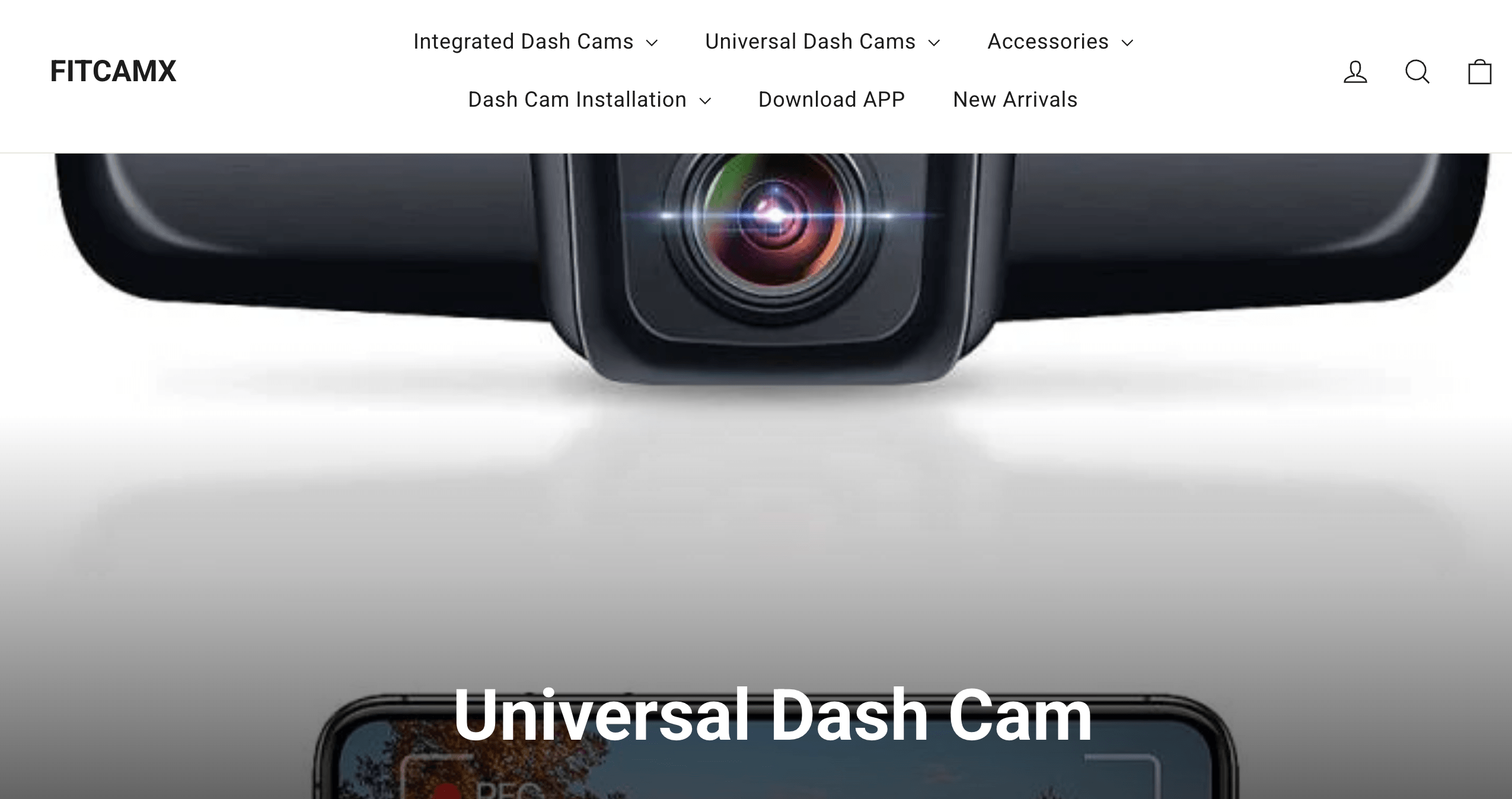
Integrated kits are built around specific mirror covers, so the finished camera blends in on everything from pickup trucks to luxury sedans.
Getting Started: Step by Step
- Check your exact fitment. Find your brand collection on fitcamx.com, then match your model, year and trim. Look at the mirror cover on your car, since variants with and without vents or sensors use different kits.
- Choose your configuration. Pick a 4K front camera, a 2K plus 1080p rear dual kit, or the 4K dual kit with a 128GB card. Add a CPL filter and a hardwire kit now if you want glare control or parking mode.
- Send your mirror cover photo. After checkout the store emails you to confirm your vehicle and mirror cover. Reply promptly with a clear photo, because shipping starts within about three days of confirmation.
- Install the camera. Use the included trim tool to open the housing, plug the Y connector into the connector behind the mirror, seat the camera and clip everything back together. Take photos of the wiring in case you need support later.
- Set up the app. Install the FITCAMX app from Google Play or the App Store, connect to the camera’s WiFi network, format the card, set the date and time, and adjust G sensor sensitivity.
- Test and verify. Record a short drive, review the clip on your phone and on a computer, and check that the rear image is the right way up. Repeat after a hot day to confirm the card is behaving.
Tips for Getting Maximum Value
Send your mirror cover photo before you order, or at least reply to the confirmation email the same day, because the fitment check is the single best way to avoid receiving the wrong kit. Keep photos of your wiring, as the return policy asks for them if the unit does not power on. Buy the CPL filter if your dashboard reflects heavily, but expect to adjust it as your driving direction changes, since The Gadgeteer found it impractical to rotate constantly. Choose a reputable high endurance microSD card, format it regularly and check footage in the app every few weeks so a silent recording failure never goes unnoticed. If parking mode matters, add the hardwire kit at the time of purchase and set a low voltage cutoff to protect your battery. Finally, use the newsletter 5% code, keep your order confirmation for the 12 month warranty, and contact support@fitcamx.com within 30 days if you spot a fault.
Future Outlook and Final Assessment
FitCamX is part of a growing shift toward integrated and OEM style vehicle accessories, and its catalogue already includes 2025 and 2026 model years such as the Toyota Camry, 4Runner and RAV4, plus newer brands such as Xpeng, Lynk and Co and McLaren. It also lists a three channel FitDVR with GPS in its universal range, which suggests it knows GPS and interior coverage are gaps in the integrated line. If FitCamX brings GPS and simpler parking mode to its vehicle specific kits, it would remove its two biggest feature limitations.
For now the final assessment is balanced. On the plus side, the concept is excellent, installation is fast, the price is attractive and the front camera can produce strong footage. On the minus side, reputation and consistency are the problem: Trustpilot shows a clear pattern of reliability and support complaints, reviewers disagree about video quality, and key features such as GPS and parking mode are missing or optional. The product earns a cautious recommendation for buyers who value the hidden install and accept the risk.
Conclusion
FitCamX solves a real problem: it gives drivers a dash cam that does not look like a dash cam. For $168 to $248 on the most popular listings you get 4K recording, an optional rear camera, an iOS and Android app and a plug and play install that takes minutes, and the optional fuse box or OBD kit adds parking mode for under $40. The risks are equally real, from a 2.1 Trustpilot score and uneven video results to missing GPS and a return process that puts costs on the buyer. If you are comfortable with those trade offs, FitCamX is one of the most interesting integrated dash cams for the money. If you want the safest, most feature complete choice, spend more on an established brand.
FitCamX trades features and brand maturity for a hidden factory look and a low price, so match it to the right driver.
Want a dash cam that disappears into your car instead of sticking out of it?
Explore more honest reviews, tutorials and tech comparisons to find the right gear for the way you work, travel and live. At World Of Tech, we make everything easy.
👉 Shop FitCamX: https://worldoftech.space/fitcamx
👉 Our YouTube Channel: youtube.com/@world_tech79
👉 Our Facebook Fanpage: Facebook
👉 Our X (Twitter): @worldoftech79
Pricing, specifications and policy details in this review were verified against fitcamx.com and independent review sources as of October 2026. Dash cam pricing and features change frequently, so confirm current details on the official site before purchasing. Competitor prices are approximate and subject to change.