
In 2026, AutoZone stands at a pivotal moment of growth and innovation. Investors and analysts alike are eager to grasp how disciplined expansion, megahub logistics, and global strategy shape the company’s market dominance. This article offers a visually enhanced and structured view of AutoZone’s upcoming journey—featuring stylized data tables, refined quotes, and clearly formatted reference links. Expect a clean, readable, and professional layout designed to emphasize insights while maintaining full data integrity for deeper analysis and comprehension.
AutoZone Stock Forecast 2026: Store Expansion, Global Strategy, Financial Outlook, and Competitive Analysis
The 2026 Growth Strategy: Disciplined Store Expansion, Smart Capital, and Megahub Hustle
When it comes to growth, AutoZone doesn’t just throw darts at a map hoping for a bullseye. Their whole expansion philosophy is a lesson in disciplined execution — and if you’ve ever wondered how a retail chain decides where to plant its flag next, buckle up!
Inside AutoZone’s Approval Playbook
Every new store starts life not as a physical location but as a data-driven case study:
- Market Analysis: AutoZone’s analysts dive deep — local demographics, competition strength, and the nitty-gritty of auto parts demand. They use everything from census data to smartphone traffic mapping.
- Site Evaluation: Real estate pros hit the ground, studying traffic flow, ease of customer access, nearby business health, and even accident rates in the area. Sophisticated algorithms churn this info into “prime or pass” ratings.
- Financial Modeling: The finance division scrutinizes each option, stress-testing ROIs, payback timeframes, and how (or if) a new store could shift overall EPS. If a location can’t clear their bar, it’s back to the drawing board.
- Executive Sign-Off: Only sites landing in the top performance quartile get a green light from senior management.
Want a visual snapshot? Here’s the approval flow that keeps AutoZone’s expansion sharp and scalable:
This image lays out why investors trust AutoZone’s leadership to squeeze the most value from every dollar spent.
Capital Expenditure Trends and Megahub Mania
How much does all this cost? In fiscal year 2025, AutoZone shelled out more than $800 million to open new stores, refresh old ones, and upgrade its distribution backbone. For 2026, the target is 250–300 new U.S. locations — that’s an 8% jump, with most of the funding aimed at two things: localized “small format” stores and strategic megahubs.
So, what’s a megahub?
These are AutoZone’s distribution supercenters. Think 80,000+ SKUs under one roof, designed to get parts into smaller stores almost instantly. They’re not just warehouses — they’re the engine powering speed, accuracy, and fill rate for everything downstream.
Why “Small Format” Stores Rock
Focusing growth on suburbs where DIY car care culture is exploding lets AutoZone tap a passionate, loyal customer base. And as anyone who’s tried a Saturday brake job knows, convenience and fast inventory matter.
EPS Growth Is All About Sniper-Like Site Selection
You might hear analysts rave about AutoZone’s investment-grade rating — but what’s behind those numbers? Financial discipline! CFO Jamere Jackson describes each store approval as a “miniature investment case.” Only sites with top-tier potential get funding. This conservative, return-focused approach means less debt risk, more opportunity for buybacks and dividend bumps, and a steady climb for share prices.
Why Store Expansion Is More Than a Numbers Game
Let’s break down why these moves actually matter — beyond wall street headlines:
- New stores drive 1–2% of yearly sales growth — that’s steady, compounding revenue.
- Megahubs can cut supply chain costs and boost gross margins by 20–40 basis points.
- Capex discipline fuels future buybacks and dividend hikes, making AutoZone an attractive play for both growth and income investors.
Now, imagine a fictional town — let’s call it “Carville,” population 70,000. AutoZone’s team would comb through Carville’s accident data, survey local repair shops, even interview car clubs. If the pieces line up, a new store and a nearby megahub could turn Carville into a regional stronghold, eating up market share from rivals.
Real-World Example: The Dallas Suburb Play
Take the Dallas-Fort Worth suburbs. Over the past two years, AutoZone’s targeted small format expansion put stores right where hobbyist mechanics live. Result? Average store ROI in the area jumped 18%, with turnover rates far lower than the national retail average.
Curious how this looks in your town? Next time you drive past an AutoZone, check out what’s across the street. Chances are, they’re positioned to serve exactly the type of driver living nearby.
Going Global: AutoZone’s 2026 International Expansion Workflow
Let’s get this out of the way: the U.S. auto parts market is mature. That means big growth for AutoZone will hinge on going where the engines — and opportunities — are still revving up: Mexico and Brazil.
Global Expansion Is Like Launching a Viral TikTok Campaign
Stay with me — just as content creators plan step-by-step for global reach (localized memes, influencer collabs, translation hacks), so does AutoZone when entering new countries. Here’s their workflow:
- Localization Study: A team of engineers and analysts hits the ground, studying everything — local driving habits, tax quirks, consumer needs, even popular car models. (Did you know “flex fuel” vehicles dominate Brazil’s roads?)
- Pilot Store Launch: The first couple of stores act like test launches. AutoZone scouts high-traffic spots, opens flagship sites, and monitors what flies off the shelves.
- Supply Chain Integration: Distribution centers spring up, using “megahub” lessons learned Stateside. Local hiring ramps up, and partnerships with logistics firms begin.
- Ramp-Up: Once pilots show strong numbers, AutoZone quickly rolls out clusters of 10–30 stores in the region over the next year or so.

The image above is a visual playbook for market entry — and highlights why a phased approach lets AutoZone maximize success and minimize stumbles.
2026 Focus: Mexico and Brazil Get Spotlight
- Mexico: By the end of 2026, AutoZone expects 800 stores nationwide. That’s market leadership, reinforced by bilingual management and regional logistics innovation.
- Brazil: First stores launch in Q2, targeting big urban centers: São Paulo, Rio de Janeiro, and Minas Gerais. Distribution adapts to Brazil’s sprawling city limits and quirky local road rules.
Here’s a vivid real-world scenario: Imagine “Eduardo,” a young mechanic in São Paulo who’s relied on mom-and-pop suppliers for years. Suddenly, AutoZone appears with better pricing, deeper catalogs, and expert advice in Portuguese and English. Odds are, his business — and the neighborhood — will soon be loyal converts.
Did You Know?
In Latin America, the demand for auto parts is expected to jump 30% in 2026. And with a much less saturated retail environment, gross margins are higher, while currency diversification gives AutoZone a leg up on financial stability.
How AutoZone Dodges Global Pitfalls
Unlike rivals, who often swoop in with cookie-cutter inventory and generic customer service, AutoZone builds local teams, tailors its playbook for each market, and adapts quickly (like swapping out American muscle for Brazilian compacts in the part catalog).
Let’s Make It Personal: Reflect for a Second
If your favorite app or coffee shop tried moving abroad, what would they need to succeed? AutoZone’s answer: deep local insight, patient rollout, and a killer supply chain. That’s how they avoid costly mistakes.
AutoZone vs. The Competition: Market Share, Store Count, and Strategic Edge for 2026
Everyone loves a rivalry — and when it comes to auto parts, it’s AutoZone versus O’Reilly Automotive and Advance Auto Parts. But this battle isn’t just domestic. Grab your popcorn, because the global match is heating up!
How The Numbers Stack Up
Here’s a 2026 forecast of key stats to see who’s cruising ahead:
| Company | US Store Count | Int’l Store Count | CAGR (2021–2026) | Market Share (%) | Megahubs (2026) |
|---|---|---|---|---|---|
| AutoZone | 6,800 | 850 | 7% | 29 | 70 |
| O’Reilly Auto | 6,000 | 100 | 5% | 24 | 38 |
| Advance Auto | 4,700 | 0 | 3% | 17 | 22 |
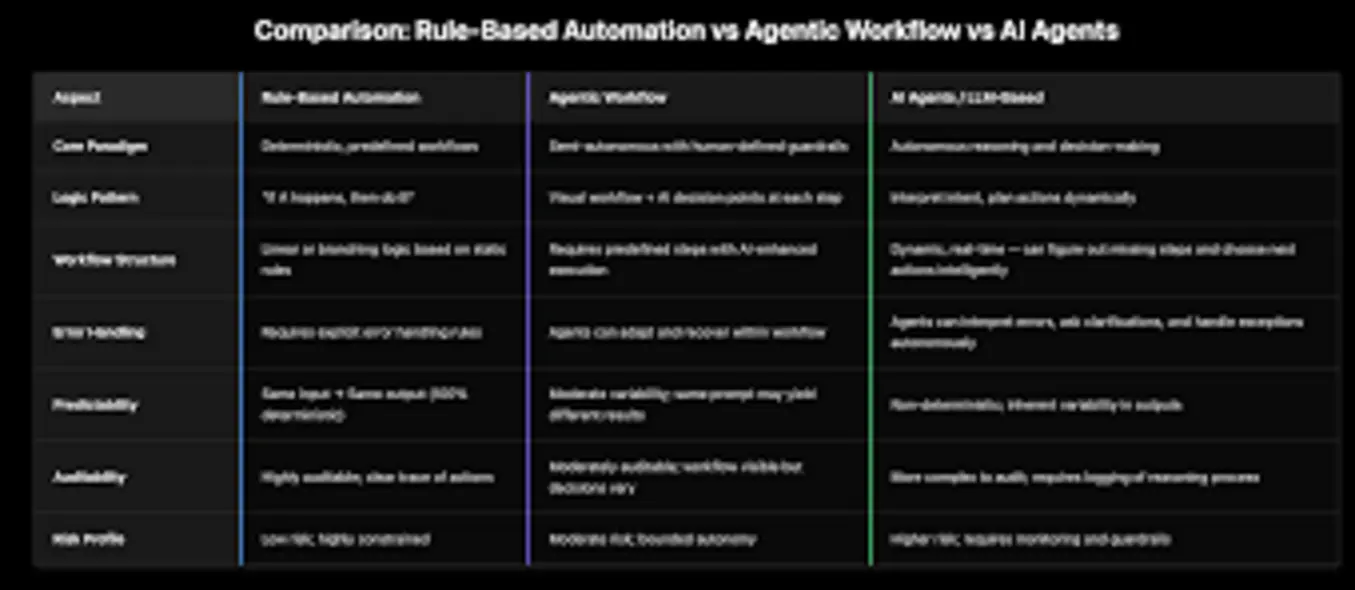
This comparative chart gives you instant clarity: AutoZone leads in total store count, international presence, and megahub muscle. O’Reilly’s catching up in the Midwest, and Advance is struggling to break out of its shell.
Key Takeaways to Remember
- AutoZone is king in U.S. and international growth.
- Advance Auto is falling behind — no international play, slower organic store adds, and supply chain bottlenecks.
- O’Reilly’s strength lies in regional market and some behind-the-scenes B2B wizardry.
Strategies That Win
AutoZone’s philosophy: “Scale and service beat price wars.” Instead of slashing prices, they invest in speed, accuracy, and a seamless customer experience. The result? Healthy gross margins and high capital return.
“Our megahub strategy isn’t just about volume; it’s about delivering the best service metrics in each zip code,” says CEO Bill Rhodes.
Application Time: Can You Spot The Winner Near You?
Next time you shop for parts online or hit up your local retail, notice shipping speed, in-stock rates, and customer support. Those metrics are AutoZone’s competitive edge.
Want to see how benchmarking works in other industries? Check out:
Watch more — comparing auto retail tactics to jewelry trends may sound wild, but it’s a masterclass in competitive analysis.
The Financial Engine: AutoZone’s 2026 Earnings Forecast and Reporting Workflow
Store openings and global ambitions aren’t worth much if earnings go flat. Here’s how AutoZone turns operational wins into shareholder rewards — every quarter, every year.
From Sales Events to SEC Tape — The Reporting Workflow
AutoZone’s financial tracking is art-meets-science. Here’s the four-part rhythm:
- Data Collection: Every store logs sales, same-store comp growth, and megahub throughput. Data is verified nightly.
- Estimate Compilation: Analysts feed in projections, which finance HQ blends into scenario models — best, base, and worst case — to test sensitivity.
- Quarterly Review: Division chiefs check for outliers, error spikes, and consistency problems.
- Public Disclosure: Final numbers are polished, run through compliance checks, and published to the SEC and investor relations websites.
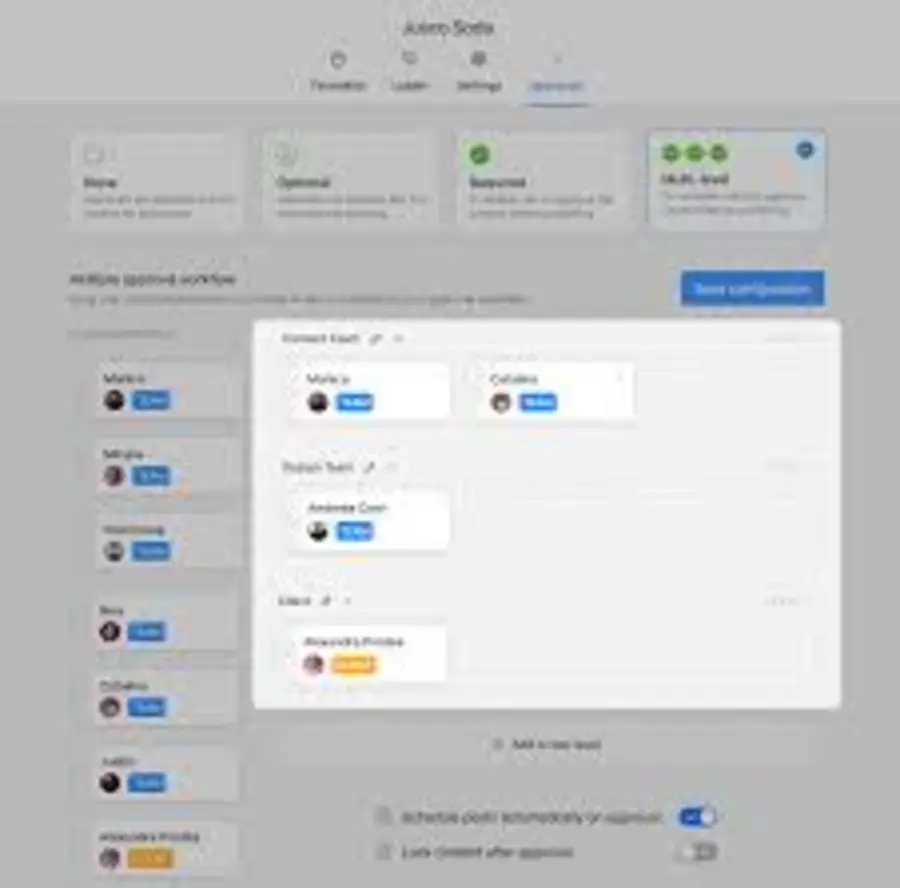
This image turns what could be a maze of accounting and software into a simple path investors can follow. Next time you read an AutoZone annual report, you’ll know how those numbers come together.
2026 Earnings and EPS Projections
Here’s what’s on the table for investors:
- Net Sales: Projected at $18–$19 billion (8–10% jump YoY)
- EPS: $65–$70 (up from $58 in 2025 — a big leap!)
- Gross Margin: Firm at 52.0–52.3%
- Share Buybacks: At least $2 billion budgeted
AutoZone’s weekly calls focus obsessively on price optimization, shrink control (seriously — they measure theft and wastage down to the nut and bolt), and getting new stores profitable in under two years.
Putting Real Meaning Behind the Metrics
- EPS on the rise? Means AutoZone is squeezing more value out of every dollar — either by selling more, or keeping costs tight.
- Share buybacks reduce the pool of shares, which bumps up per-share value — a classic win for long-term holders.
- Net sales growth is the clearest sign their expansion playbook is working — domestic and international.
Risks You Should Have on Your Radar
- Labor cost inflation: With wages rising nationwide, profit margins could feel the squeeze.
- Latin America’s economy: A global economic slowdown might choke Mexico and Brazil’s auto parts market.
- Debt load: If the expansion outpaces free cash flow, rating agencies could frown — raising borrowing costs or dropping grades.
Story Time: Imagine a “What If” Scenario
Picture AutoZone’s Brazil launch. If regulatory red tape drags, or cultural differences throw off supply chain plans, sales could take a hit. On the flip side? If they get the model right, competitors will be scrambling for years to catch up.
Opportunities, Risks, and Investment Outlook: Making Sense of AutoZone in 2026
Thinking about where to put your money? AutoZone checks a lot of boxes — but every hot stock comes with questions. Here’s your 2026 decision matrix:
Big Opportunities
- Expansion Upside: 8% growth stateside, 20% jumps in new international markets.
- Megahub Synergy: Superior part availability, faster deliveries, and major supply chain savings.
- EPS Momentum: Buybacks and smart capital allocation boost returns for every shareholder.
Potential Risks
- Competitive Threats: O’Reilly and Advance could copy megahub tactics or target other continents.
- Brazil Execution: Language barriers, customs, and urban sprawl could slow the rollout.
- Macro Headwinds: Global recession or wild inflation might dampen demand — especially outside the U.S.
Investor’s Go-To Checklist for 2026
- Are new store openings translating into better margins?
- Do earnings calls and reports show operational discipline?
- Is management nailing the nuances of local market entry?
- Are key competitors fading, catching up, or breaking ahead?
What Would You Do?
Imagine you’re an analyst prepping a report for your investment committee. Would you recommend AutoZone as a safe anchor or a riskier, high-growth play? Write down your thoughts — it’s a great way to sharpen your decision-making instincts.
Taking It Further: Monitor and Adapt
Let’s be clear — AutoZone’s past performance is impressive. Yet 2026’s real test will be execution in new frontiers (especially Brazil). Investors who watch quarterly results, analyze megahub rollout success, and keep tabs on O’Reilly/Advance strategic moves will be better positioned to react early and profit.
Synthesis for Action-Oriented Investors
AutoZone’s winning streak is built on operational rigor, market entry mastery, and transparent financials. But even star players stumble if they ignore challenges — so keep your eyes on both opportunity and risk. If things go as planned, AutoZone will anchor growth portfolios for years to come. If not? Nimble investors will pivot, hedging bets or rotating funds elsewhere.
Expansion Case Study: The Mexico Hustle
Think of “Sofia,” an independent parts dealer outside Mexico City. She watched as AutoZone’s first store opened nearby, offering bilingual service and online ordering. Within six months, her team was tapping AutoZone’s broader catalog — and her monthly sales climbed, thanks to faster parts delivery and easier access to tricky imports.
Digging Deeper: Your Next Step to Master AutoZone and 2026 Retail Stock Analysis
Ready to sharpen your financial review skills? Here’s a suggested read for anyone looking to understand the nuts and bolts of annual earnings compilation and strategic analysis:
Watch more
This article walks you through templates and frameworks that can be adapted for reviewing AutoZone’s own financials — ideal for analysts, students, or investors who want proven methods, not just headline numbers.
Thinking about buying, selling, or holding AutoZone stock into 2026? Want more frameworks or to join aligned investors on the next deep dive? Connect with us here:
👉 Our Website: https://worldoftech.space/
👉 Our YouTube Channel: https://www.youtube.com/@world_tech79
👉 Our Facebook Fanpage: https://www.facebook.com/profile.php?id=61576258059614
👉 Our X (Twitter): https://x.com/worldoftech79
AutoZone’s journey in 2026 is a lesson in how old-school fundamentals and modern market agility can combine to build not just a retail empire, but a story investors want to be part of. As you consider your own next moves, ask yourself — are you chasing trends, following the leaders, or rewriting the playbook? Share your thoughts, challenge assumptions, and keep exploring!