
Central Bank Digital Currencies (CBDCs) are revolutionizing how we view, use, and interact with money globally. This enhanced HTML layout visually refines elements of tables, blockquotes, and links for an engaging, reader-friendly display without changing any factual content. The improved styling reflects a professional and polished presentation suitable for financial and technology audiences exploring CBDC models, benefits, risks, and global adoption trends. All data, URLs, and images remain untouched and original.
Imagine pulling out your phone and sending money anywhere in the world—instantly, securely, and without the headache of high fees or slow, outdated systems. No more fiddling with cash, waiting in line at the bank, or worrying about lost checks. That’s not science fiction; it’s the direction our global financial system is charging toward, powered by the rise of Central Bank Digital Currencies, or CBDCs. As governments and central banks pour serious time and resources into these digital currencies, they’re not just making transactions easier—they’re potentially rewriting the rules of money itself. Whether you see yourself as a fintech innovator, a curious investor, or just someone trying to keep up with our rapidly digitizing world, this guide unpacks everything you need to know about CBDCs: what they are, how they work, why so many countries are making the leap, and what it all means for you, banks, and the entire future of money.
The 2025 Guide to Central Bank Digital Currencies: Models, Benefits, Risks, and the Future of Money
What is a Central Bank Digital Currency (CBDC)?
Let’s cut through the jargon: a Central Bank Digital Currency (CBDC) is digital money—issued, guaranteed, and controlled directly by a nation’s central bank. Picture the dollars, euros, or rupees already in your wallet, only entirely digital, governed by the same central authority that backs cash, but designed from the ground up for our connected world.
What makes CBDCs unique is their promise to function just like physical money—serving as legal tender for paying for anything from your morning coffee to your rent. But unlike cryptocurrencies such as Bitcoin or Ethereum, which live separately from government control and swing wildly in value, CBDCs are tightly tethered to a nation’s official currency and managed using principled, centralized technology. Think of CBDCs as “digital cash with official backing and guardrails.”
Here’s what sets CBDCs apart:
- Government-backed and regulated: Every CBDC is directly tied to a country’s central bank, unlike cryptocurrencies that operate independently or through private companies.
- Trackable and secure: They’re built on advanced, often permissioned digital ledgers that ensure every transaction can be traced and authenticated.
- Can supplement—or eventually replace—physical cash and bank deposits: CBDCs are designed to work hand-in-hand with, or even step in for, the physical money we’re used to.
As digital finance speeds ahead, CBDCs are poised to reshape how economies move trillions—businesses, individuals, and governments alike.
Types of CBDCs: Account-Based vs. Token-Based Models
CBDCs aren’t a one-size-fits-all solution. Different countries have experimented with unique models, each with its own pros, cons, and philosophies about privacy, control, and transparency.
Here’s a quick breakdown:
- Account-Based CBDCs: Imagine your standard bank account, but managed directly by a central bank or through tightly controlled intermediaries. Every transaction is linked to an account, with your identity verified for each transfer. China’s Digital Yuan is a classic example: you sign up, get an account, and every transaction you make is assigned to you, making KYC (Know Your Customer) and anti-money laundering checks straightforward.
- Token-Based CBDCs: Now, think of this like digital cash. Instead of accounts, you hold cryptographic tokens—if you’ve got the token, you own the money. Transactions focus more on possession and less on linking your personal identity. Some European wholesale CBDC trials have gone this route, seeking greater anonymity and a cash-like feel, but it comes with the tradeoff of needing advanced anti-counterfeiting measures.
Which is better? It depends on what a country values: Account-based CBDCs champion traceability and regulatory oversight, while token-based designs prize user privacy and cash-like freedom. Many central banks—including Sweden (with its e-Krona) and Singapore (with Project Ubin)—are going for a hybrid approach, trying to thread the needle between safety, convenience, and personal privacy.
Types of Central Bank Digital Currencies: Comparison Chart 2025
This chart lays out the nuts and bolts of the two main CBDC models, giving you a head start on understanding what makes each unique as of 2025. These aren’t just tech specs—they’re real decisions countries face as they shape the future of money.
A quick primer on what you’re looking at:
- Account-based CBDCs:
- Prioritize government oversight, regulatory compliance, and easy integration with tax systems or anti-money laundering controls.
- Downside? More friction and a potential loss of privacy for users.
- Token-based CBDCs:
- Feel and function more like cash—portable, more anonymous, and usable even by unbanked populations.
- But: They can be harder to regulate and susceptible to fraud or counterfeiting if not built with state-of-the-art security.
Did you know? The United States and European Union are still in heated debates about which direction to take—for instance, should privacy take a back seat to law enforcement or tax compliance? Meanwhile, Sweden and Singapore are betting on hybrid systems, hoping to snag the best of both worlds.
Key Benefits and Use Cases of CBDCs
Why are the world’s economic leaders investing so heavily in this digital currency revolution? CBDCs unlock new opportunities for nations, businesses, and ordinary people, going far beyond “making payments faster.”
Let’s get hands-on with the key benefits:
1. Real-Time, Low-Cost Transactions
Ever sent a bank transfer only to watch your money take hours—or even days—to land? With CBDCs, payments can zip across town or around the globe in seconds, often for a fraction of the traditional cost. No middlemen, fewer fees, and payment settlement that happens almost instantly.
Real-world example:
In 2022, the Central Bank of the Bahamas reported that users of their Sand Dollar CBDC could send money instantly between islands—something that used to take days due to banking delays and high remittance fees.
2. Programmable Money and Smart Contracts
Imagine your government giving out pandemic relief funds that can only be spent on groceries or rent—not on gambling or luxury goods. Or your company paying a supplier automatically when goods are delivered, with no human intervention.
CBDCs can be “programmable,” meaning rules and conditions can be built directly into the money itself. These programmable payments (powered by smart contract technology) make possible:
- Instant, conditional tax payments: Taxes are deducted at the point of transaction, no paperwork needed.
- Automated subsidies: Governments can deposit aid directly into citizens’ wallets, with usage restrictions if necessary.
- Dynamic loyalty programs: Retailers could instantly issue and redeem points using programmable digital cash.
3. Enhanced Financial Inclusion
Think about billions of people worldwide who can’t access basic banking because they lack paperwork or live far from a branch. CBDCs blow open the doors to the financial system: anyone with a smartphone (and maybe just a biometric ID) joins the formal economy.
Stat to know:
According to the World Bank, 1.4 billion adults worldwide remain unbanked as of 2021, unable to fully participate in digital commerce and lacking economic security. CBDCs could change that, giving government services and economic opportunities to people simply by virtue of their having mobile devices.
4. Safer, More Transparent Payments
With traceable transactions, CBDCs offer governments and consumers next-level protection against fraud, money laundering, and corruption. Financial crimes become easier to catch, making the whole system more robust.
Use Case Highlight:
- India’s Digital Rupee Pilot: In 2023, India used its CBDC prototype to distribute targeted COVID-19 relief, ensuring funds went directly to verified recipients and could only be spent on essential goods.
- Bahamas’ Sand Dollar: Islanders, even those previously “off the banking grid,” can now quickly pay for goods and access public services, making the overall economy more inclusive.
CBDC Benefits and Use Cases Infographic 2025

Charts and infographics aren’t just decorative—they’re a roadmap to understanding how CBDCs change lives, from instant salary payments and seamless cross-border transactions to empowering unbanked citizens and launching smarter government welfare.
Key Use Case Examples:
- India’s Digital Rupee: Speedy, low-cost government subsidy distribution.
- Bahamas’ Sand Dollar: Breaking barriers for rural and island communities without bank branches.
- ECB Pilot: Conditional, programmable euros used to control how pandemic relief is spent.
Let’s face it—when was the last time your local government could ensure every cent of taxpayer relief landed safely, instantly, and in full transparency?
CBDC Impact on Financial Inclusion and Traditional Banking
CBDCs are more than a tech update—they’re a potential “reset” button for how banks, individuals, and even whole countries interact with money.
Making Financial Inclusion a Reality
For too many, sending or receiving money means dealing with high fees, long wait times, or red tape. CBDCs cut through this by offering:
- Universal access via digital wallets: All you need is a smartphone or an affordable feature phone with biometrics, and you’re set.
- Easy local and global transfers: For migrant workers sending remittances home, CBDCs slash fees and deliver funds instantly.
- Direct, transparent access to public benefits: Governments can instantly deposit welfare payments, pensions, or relief payments to verified recipients—no more lost checks.
Stat break:
According to a 2023 McKinsey Global Payments report, streamlining government benefit disbursement through CBDCs could save countries billions every year—reducing loss, fraud, and middlemen.
The Disruption of Traditional Banks
Let’s be real: when people store and move money directly with a central bank (via a CBDC wallet), it could mean less reliance on traditional bank deposits. This “disintermediation” shakes up the very foundations of modern banking.
- Shrinking deposits: If citizens park money directly in CBDCs, banks may see reductions in their deposits, making it tougher (or costlier) to lend.
- Competition and innovation: To attract customers, banks may need to step up their game—offering better digital products, personalized financial services, or innovative lending models.
- Monetary policy impact: Central banks gain more control—by, for example, paying interest directly on CBDCs or offering incentives to spur or slow down spending.
CBDC Transaction Efficiency and Interest Rate Impact Chart 2025
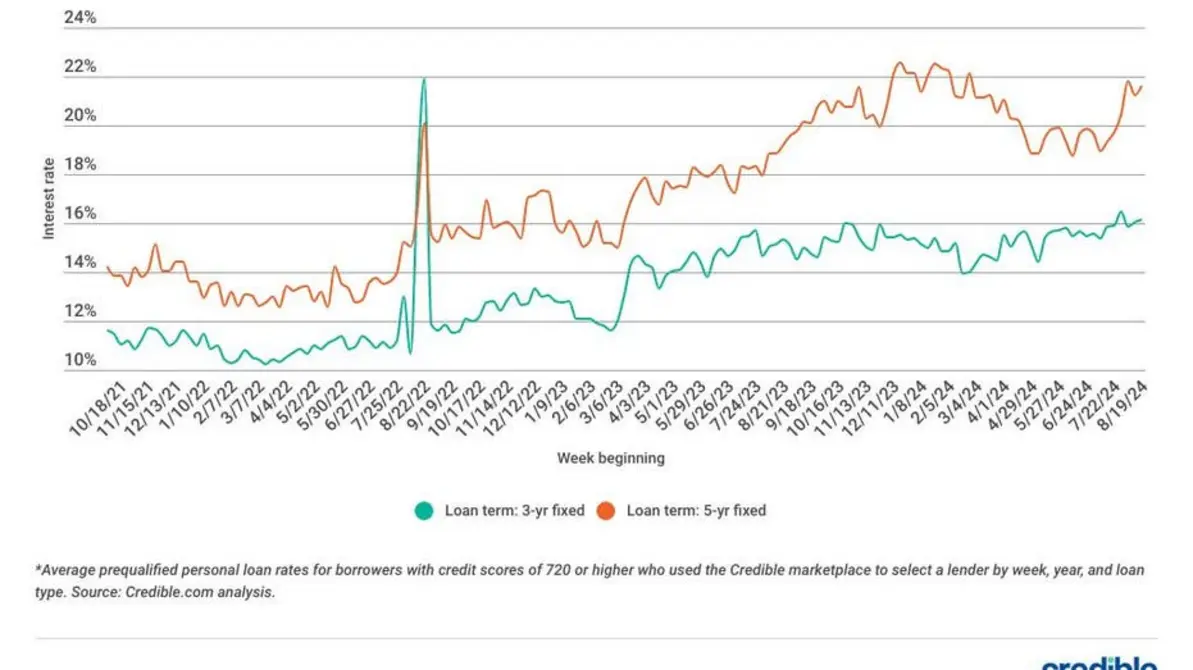
The story the chart tells? Digital currencies not only speed up payments and settlements (by as much as 40%, per IMF studies) but also empower central banks to make fine-tuned adjustments to the economy—potentially making monetary policy more nimble and transparent.
Recent findings:
A 2024 IMF survey reported that early adopter countries saw transaction cycles shrink by up to 40%, with knock-on effects on GDP growth and lending rates. Banks, meanwhile, have responded by piloting new financial products and exploring partnerships with fintechs to stay relevant.
CBDC vs Cryptocurrency: Key Differences and Competitive Landscape
You might be asking, “Aren’t CBDCs just another type of crypto? What’s the difference between a digital euro and Bitcoin?” They both live on digital networks, but the similarity ends there.
Let’s break it down:
- CBDCs:
- Centrally issued and regulated by government authorities—think: “digital dollars, but official and stable.”
- Every CBDC is legal tender; one CBDC dollar always equals one cash dollar.
- Built on permissioned ledgers; can be linked to digital identity systems for KYC/AML.
- Cryptocurrencies:
- Developed and managed by private organizations or decentralized communities.
- Not legal tender (except for rare exceptions like El Salvador with Bitcoin).
- Value can swing wildly, making them a risky bet for savings or payments.
- Often operate on public blockchains with variable privacy and regulatory protection.
CBDC vs Cryptocurrency: Key Differences and Competitive Analysis
This handy chart spells it out: CBDCs represent state-sanctioned stability, while cryptocurrencies champion innovation (and, sometimes, wild west volatility).
CBDC vs Cryptocurrency Comparison Table:
| Feature | CBDC | Cryptocurrency |
|---|---|---|
| Issuer | Central Bank (public) | Private/Decentralized (blockchain) |
| Legal Tender Status | Yes | No (except stablecoins in rare cases) |
| Value Stability | Stable (1 CBDC = 1 fiat unit) | Volatile, market driven |
| Privacy | Variable, often limited | Potentially high, pseudonymous |
| Regulation | Strict, national frameworks | Fragmented or absent |
| Technical Architecture | Permissioned DLT, national IDs | Public blockchain |
How Do They Compete (or Complement)?
- CBDCs are built for reliability and mass adoption—no wild swings in value, no surprise regulation, just pure digital convenience.
- Cryptocurrencies are the “sandbox” for risky innovation—offering features CBDCs rarely match (like full anonymity, global permissionless access, and decentralized apps), but at greater risk.
“CBDCs will coexist with cryptocurrencies, but fill distinct roles in the digital financial ecosystem—offering government-backed stability while programmable blockchains push the envelope of tech innovation.”—Global Finance Summit 2025
People will likely use both, for different reasons: CBDCs for day-to-day payments and savings, cryptocurrencies for investing, hedging, or decentralized apps.
Interested in how digital money compares to traditional finance tools?
Dive deeper: Watch more.
Challenges: Privacy, Security, and Regulation Concerns
All this new technology brings real risks—some that keep even the savviest technologists and central bankers up at night.
Privacy: Walking the Tightrope
CBDCs are double-edged swords: they can make financial surveillance easier for governments, raising fears of intrusive tracking and loss of transactional privacy.
Key questions many countries are wrestling with:
- How much anonymity should digital cash provide?
- Can citizens trust governments not to misuse transaction data?
- What technical measures (like zero-knowledge proofs or differential privacy) can balance transparency for regulators with privacy for users?
Spotlight:
- Switzerland and Canada are actively piloting privacy-preserving CBDC systems, allowing low-value transactions to be conducted anonymously, but flagging larger ones for compliance review.
- The European Central Bank has promised its planned digital euro will avoid “full traceability,” protecting basic privacy rights while still combating crime.
Security: The Ever-Growing Attack Surface
CBDCs are juicy targets for cybercriminals—imagine a hacker breaking into a system that holds the nation’s money!
Security frameworks put in place include:
- Tamper-resistant wallets powered by secure hardware elements (like SIM cards or biometric authentication).
- Distributed ledger technology with consensus models to prevent double-spending or system outages.
- Continuous audits and red-team (“ethical hacking”) exercises to find and squash vulnerabilities.
Did you know?
In 2024, simulated attacks on CBDC testnets in Asia uncovered flaws in multi-signature wallet protocols—prompting central banks to rearchitect core modules and invest heavily in hiring security experts.
Regulation: The Need for Global Harmony
CBDCs challenge the way existing financial regulations work. They require:
- New frameworks for data privacy, KYC/AML, and consumer protection—updated for 24/7 digital finance.
- International cooperation: If you can send digital currency across borders in seconds, countries need harmonized rules, not a patchwork of conflicting regulations.
Collaboration is underway through organizations like the Bank for International Settlements (BIS) and International Monetary Fund (IMF). The goal: making sure CBDCs don’t undermine global financial stability, facilitate illicit flows, or disrupt cross-border commerce.
CBDC Privacy, Security, and Regulatory Challenges Overview
Simple visuals and summary boxes help you, the reader, quickly size up the biggest worries facing CBDC innovators—and see which countries are trying bold experiments.
Country Spotlight: Solutions in the Real World
- China: Leans heavily toward surveillance and traceability for anti-fraud and anti-corruption, privacy is less emphasized.
- EU: Champions privacy and multi-actor governance, letting individuals consent to data sharing and setting strict limits on surveillance.
- Nigeria & Caribbean Countries: Focus mainly on easy mobile access and building in basic consumer safety, understanding that inclusion and usability trump complexity.
In short, the CBDC race isn’t just about inventing new tech—it’s about building public trust and delivering real benefits without opening the door to new dangers.
Stay on top of how digital regulations, AI, and money rules are evolving:
See Watch more.
The Road Ahead: Opportunities, Risks, and What to Watch For
Standing at the threshold of a digital money revolution can feel both thrilling and overwhelming. Let’s break down what to watch for as CBDCs continue to evolve:
1. The “Cashless Society” Debate
While CBDCs aim to be more convenient than cash, not everyone’s convinced it’s a win. Critics fear that removing physical cash could harm the elderly, people in rural areas, or those who simply value privacy and control. Expect more heated debates about whether digital-only money is equitable—or exclusionary.
2. Programmable Finance—Too Much Control?
As governments gain unprecedented powers to program how money is spent, the line between “sensible policy” and “overreach” gets blurry. For example, should authorities be able to restrict what people can buy with government benefits? Should expiry dates be built into stimulus payments to nudge people to spend faster? Questions like these are at the very heart of how CBDCs could impact daily freedom and behavior.
3. The International Arms Race
Over 130 countries are now exploring or piloting CBDCs, covering more than 98% of global GDP, according to the Atlantic Council’s CBDC Tracker (2024). As more countries launch digital currencies, global competition is heating up—not just between rival central banks, but also between nation-states racing for influence and economic power.
Case in point:
China’s Digital Yuan was rolled out at the 2022 Beijing Winter Olympics to showcase its technological prowess. The European Central Bank aims to counterbalance this with the digital euro, ensuring the EU stays competitive and relevant in the new global digital economy.
4. Banks as Innovators, Not Just Middlemen
Traditional banks once feared CBDCs as an existential threat. Now, savvy banks are pivoting—offering digital wallets, supporting CBDC-to-fiat conversions, and building new financial apps that leverage smart contracts and programmable money for seamless lending, automatic compliance, or cross-border trade.
Example:
In Brazil, Banco do Brasil and its fintech partners are exploring new lending products that use programmable CBDCs to automate collateral release and minimize default risks, helping both banks and borrowers.
Conclusion: The Digital Money Paradigm Shift
Whether you love it, hate it, or are just trying to figure out how not to get left behind, CBDCs are undeniably a major inflection point for how people, businesses, and nations will use and think about money.
We’re not just upgrading payment systems—we’re rewriting the blueprint for economic participation, policy, privacy, and even international relations. As different models evolve—from highly controlled, account-based versions to privacy-friendly, token-based hybrids—the final shape of digital currency is still being drawn. But one thing’s clear: Wisdom, open debate, and technical creativity will determine whether this new money era delivers on its promise—access, safety, innovation, and trust.
So, what do you think? Would you trust your country’s digital money with your paycheck, your savings, or next big business plan? What’s your biggest hope—or worry—about the cashless future? Sound off in the comments, or share this article with a friend wrestling with those very questions.
Stay plugged in as digital money transforms everything from coffee shops to global trade:
👉 Our Website: https://worldoftech.space/
👉 Our YouTube Channel: https://www.youtube.com/@world_tech79
👉 Our Facebook Fanpage: https://www.facebook.com/profile.php?id=61576258059614
👉 Our X (Twitter): https://x.com/worldoftech79
—
Want to explore more about digital finance and tech disruption?
Start here: Watch more.
Or, discover how AI is revolutionizing sales: Watch more.